Reverse Osmosis Water Treatment System Process: Complete Component Guide 2026
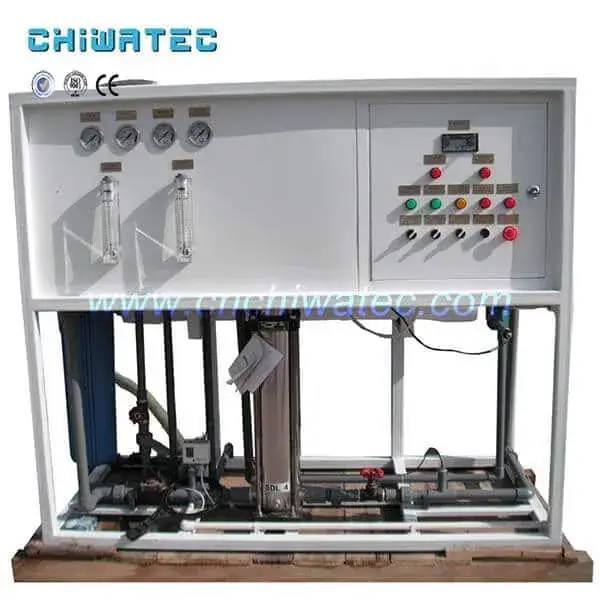
The reverse osmosis system process components work together to transform raw water into high-purity product water through a carefully designed sequence of pre-treatment, membrane separation, and post-treatment stages. Each component in the RO system process plays a specific role — from the raw water tank that buffers supply fluctuations to the RO membrane elements that achieve 97-99% salt rejection, and the alkali dosing system that polishes final water quality. This guide provides a detailed walkthrough of every component in a typical industrial reverse osmosis water treatment system, explaining the function, operating parameters, and control logic of each piece of equipment.
Reverse Osmosis System Process Components: Raw Water Intake and Storage
The raw water tank is the first component in any RO reverse osmosis system process components arrangement. Its primary function is to buffer the system against fluctuations in the incoming water supply — preventing the booster pump from suffering damage due to insufficient flow or unstable pressure from the pipe network. For large industrial systems, a motorized electric butterfly valve is installed at the tank inlet for automated flow control.
The tank is equipped with two critical control elements:
- Floating ball valve — Controls the raw water inflow rate and automatically replenishes water as the system consumes it during operation.
- Liquid level sensor — Provides medium and low water level signals. When the water level is above the medium mark, the booster pump can automatically start. When the water level drops below the low mark, the booster pump automatically stops to prevent dry running.
Chemical Dosing Systems: Coagulant, Scale Inhibitor, and Alkali Addition
Industrial RO systems incorporate multiple chemical dosing points to optimize membrane performance and protect downstream equipment:
Coagulant Dosing Device
Coagulants such as iron salts (ferrous sulfate, ferric chloride), aluminum salts (aluminum sulfate, polyaluminum chloride), and polymers are added to the raw water before pre-treatment. These chemicals cause colloidal particles and organic impurities to form large flocs through flocculation and bridging, which are then removed by the pre-treatment filters. The goal is to achieve an SDI (Silt Density Index) of ≤5 at the RO membrane inlet. If the feed water SDI remains too high, a coagulant aid (e.g., calcium oxide, polyacrylamide) is added. The coagulant dosing pump operates synchronously with the raw water pump. Common pump brands include Milton Roy and Pulsafeeder.
Scale Inhibitor Dosing Device
Scale inhibitors prevent precipitation of sparingly soluble salts (calcium carbonate, calcium sulfate, silica) on the RO membrane surface. Three mechanisms are employed:
- Dispersion — Anionic or non-ionic polymers surround colloidal particles to keep them suspended (e.g., phosphates).
- Chelation/complexation — Chelating agents like EDTA bind metal ions, preventing them from combining with anions to form precipitates.
- Coagulation/bridging — Polymer coagulants form flocs that remain suspended in the water rather than depositing on the membrane.
Common scale inhibitors include sodium hexametaphosphate, organic phosphates, and polyacrylates. The dosing pump operates synchronously with the high-pressure pump. Milton Roy and Pulsafeeder metering pumps are commonly used for precise, stable dosing.
Secondary Alkali Dosing Device
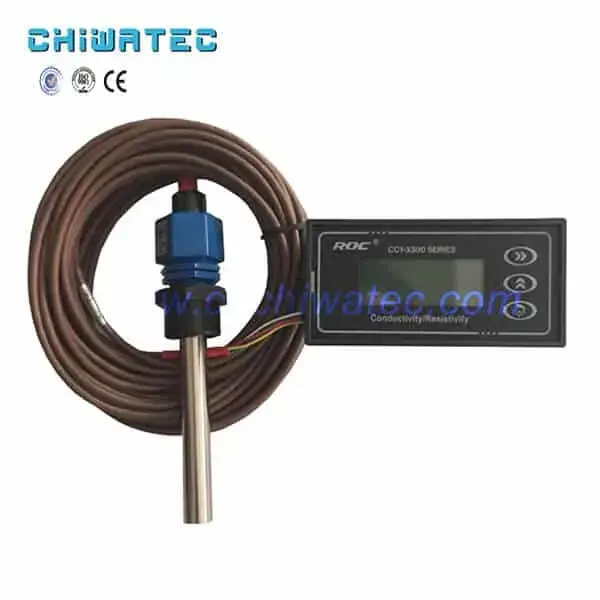
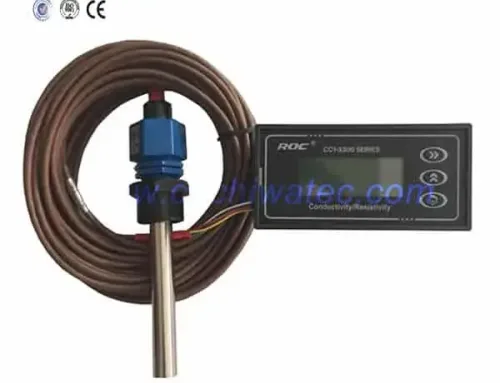
In two-pass RO systems, a secondary alkali (typically NaOH) dosing device is installed between the first and second pass. Adding NaOH raises the pH of the first-pass permeate, converting dissolved carbon dioxide (CO₂) and weakly ionized silica into ionic forms that can be rejected by the second-pass RO membranes. This configuration can achieve product water conductivity below 2 µS/cm, and with careful adjustment, below 1 µS/cm. The alkali pump operates synchronously with the secondary high-pressure pump.
Pre-Treatment Filtration: Multimedia, Activated Carbon, and Softening
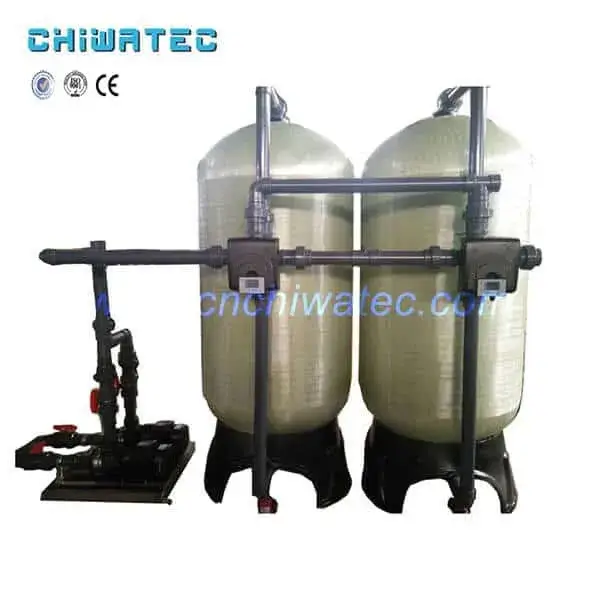
Pre-treatment is the most critical stage for protecting RO membranes from fouling, scaling, and chemical attack. Three common pre-treatment filter configurations are used:
| Filter Type | Media | Primary Function |
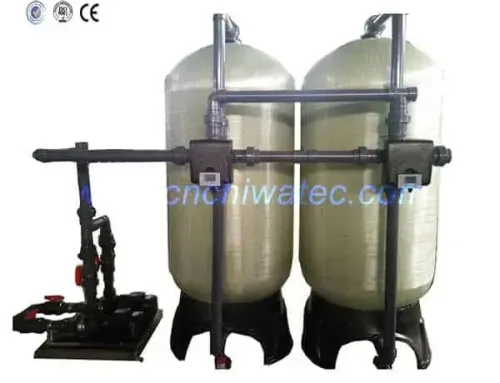
| Multimedia filter | Garnet, sand, anthracite (layered) | Removes suspended solids, turbidity >20 µm |
| Activated carbon filter | Granular activated carbon | Removes chlorine, organic matter, taste/odor |
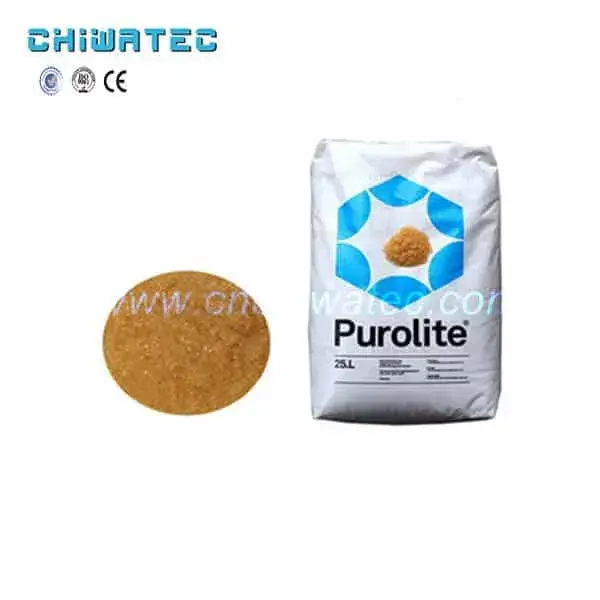
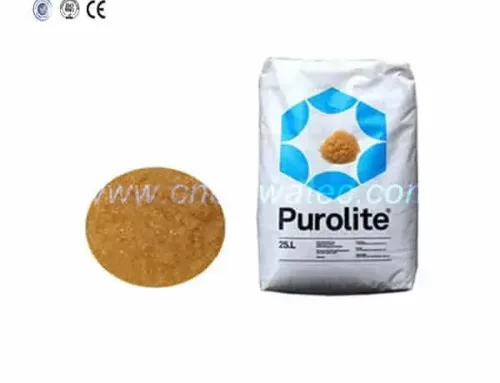
| Water softener | Ion exchange resin | Removes calcium and magnesium hardness |
Filter housings are typically made of stainless steel, fiberglass-reinforced plastic (FRP), or carbon steel lined with rubber. The backwashing cycle is controlled either by an automatic multi-port valve (e.g., Fleck or Autotrol) programmed on a timer, or by manual operation. Proper pre-treatment reduces the feed water SDI to ≤5, free chlorine to ≤0.1 mg/L, and iron to ≤0.1 mg/L — all essential for long membrane life.
Security Filtration: The Fine Filter
The security filter, also called the cartridge filter or micro-filter, is the final barrier before water enters the high-pressure pump and RO membrane elements. Installed immediately upstream of the RO system, it captures any filter media particles or debris that may have leaked from the pre-treatment equipment. Typical filtration precision is 10 µm, 5 µm, or 1 µm depending on the membrane manufacturer’s requirements.
Two common housing materials are available:
- ABS plastic (blue filter housing) — Available in 10-inch and 20-inch lengths, suitable for small to medium systems
- Stainless steel housing — Available in 10-inch, 20-inch, 30-inch, and 40-inch lengths with 5, 7, 10, or 20 cartridge configurations (16 total规格)
Cartridge filters should be replaced when the pressure drop across the housing exceeds 0.5-1.0 bar, or on a scheduled maintenance interval.
Pressure and Flow Control: Pressure Switch, Inlet Solenoid Valve, and High-Pressure Pump
Pressure Switch
The pressure switch controls the start and stop of the high-pressure pump to prevent it from running under dry or low-flow conditions. Typically, the high-pressure pump can automatically start when the inlet water pressure exceeds 1.0 bar (15 psi) and automatically stops when the pressure falls below 0.5 bar (7 psi). This protects the pump from cavitation damage.
Inlet Solenoid Valve
The inlet solenoid valve provides automatic shutdown control. When the pure water tank reaches its full level or the RO system enters a backwash/regeneration cycle, the solenoid valve closes to stop water flow into the system, automatically pausing operation.
High-Pressure Pump
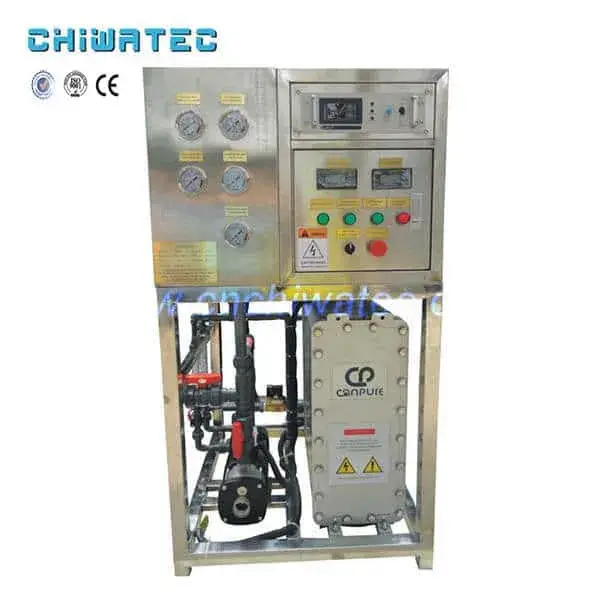
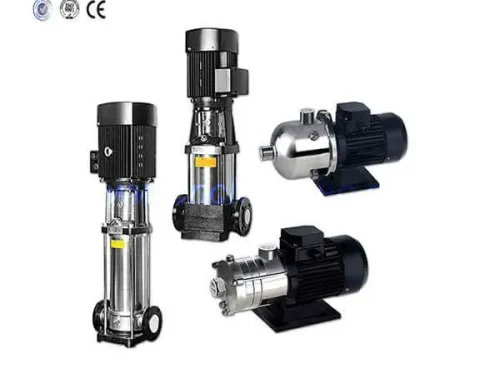
The high-pressure pump is the heart of the RO system, providing the driving force for membrane separation. It applies the required feed pressure (typically 8-15 bar for brackish water, 55-70 bar for seawater) to overcome the natural osmotic pressure of the feed water. The pump’s automatic start and stop are controlled by the raw water tank level, pressure switch signals, regeneration micro-switches, and the pure water tank level.
Reverse Osmosis Membrane Unit: Core Separation Stage
The RO membrane unit is where the actual desalination occurs. Feed water entering the membrane elements must meet specific quality requirements: turbidity ≤2 NTU, temperature 5-35°C, SDI ≤5, iron ≤0.1 mg/L, pH 4-11, and residual chlorine ≤0.1 mg/L.
Leading membrane element brands used in industrial systems include:
- Dow FilmTec — Industry standard for brackish water and seawater elements
- Hydranautics — High-performance ESPA and SWC series
- Toray — Premium TM series for high-rejection applications
- Vontron — Cost-effective Chinese-manufactured elements
The membrane material is fully aromatic polyamide thin-film composite (TFC), offering high cross-linking density for optimal salt rejection (97-99%) while effectively removing suspended solids, organic colloids, bacteria, viruses, and pyrogens. Cellulose acetate (CA) membranes are less commonly used today due to their narrower pH range and lower chlorine tolerance.
Operating pressures vary by membrane type: ultra-low pressure membranes operate at 7-10 bar, low-pressure membranes at 15 bar, and high-pressure seawater membranes at 55 bar. A regular automatic flushing system is incorporated to prevent membrane fouling and maintain stable long-term performance.
Intermediate Storage and System Integration
In two-pass RO systems, the primary pure water intermediate tank (also called the intermediate water tank) sits between the first and second RO stages. Its functions include:
- Level control — Three level sensors (high, medium, low) coordinate the operation of the booster pump, primary high-pressure pump, and secondary high-pressure pump.
- Low level protection — When the water level drops to the low mark, the secondary high-pressure pump automatically stops to prevent dry running.
- High level shutdown — When the tank is full (high level), the booster pump and primary high-pressure pump automatically stop.
This cascade control logic ensures continuous, safe operation of multi-stage RO systems with minimal operator intervention.
Frequently Asked Questions
Q1: What are the main components of a reverse osmosis system?
Key reverse osmosis system process components include the raw water tank, chemical dosing systems (coagulant, scale inhibitor, alkali), pre-treatment filters (multimedia, activated carbon, softener), security filter, high-pressure pump, RO membrane unit, intermediate tank, and control valves.
Q2: Why is pre-treatment important for RO systems?
Pre-treatment removes suspended solids, chlorine, hardness, and organic matter that would otherwise foul, scale, or chemically damage RO membranes. Proper pre-treatment ensures stable operation, long membrane life, and consistent product water quality.
Q3: What chemicals are added in RO water treatment?
Common chemical additions include coagulants (aluminum sulfate, ferric chloride) for particle removal, scale inhibitors (sodium hexametaphosphate, organic phosphates) to prevent membrane scaling, and sodium hydroxide (NaOH) for pH adjustment in two-pass systems.
Q4: What types of RO membrane elements are available?
Major manufacturers include Dow FilmTec, Hydranautics, Toray, and Vontron. Membrane types include ultra-low pressure (7-10 bar), low pressure (15 bar), and high-pressure seawater membranes (55 bar), all typically made of thin-film composite polyamide.
Q5: How does the security filter protect RO membranes?
The security filter (cartridge filter) is the final barrier before the RO unit, capturing any particles that may have leaked from pre-treatment equipment. Typical filtration precision is 1-10 µm, preventing abrasive damage to membrane elements and high-pressure pump seals.
Conclusion and Call to Action
Understanding each of the reverse osmosis system process components — from raw water intake and chemical dosing through pre-treatment, membrane separation, and final polishing — is essential for designing, operating, and maintaining a reliable RO water treatment system. Every component, from the floating ball valve in the raw water tank to the high-pressure pump and RO membrane elements, plays a critical role in delivering consistent, high-purity water for industrial, commercial, and municipal applications. CHIWATEC provides complete reverse osmosis system design, equipment supply, and installation services worldwide. Contact our engineering team at [email protected] or [email protected] for a customized RO system design tailored to your feed water quality and production requirements.
Related Resources and Further Reading
- Reverse Osmosis Water Treatment System Design: Complete RO Equipment Program
- RO Water Treatment System Components: Complete Guide to Equipment, Process
- Reverse Osmosis Water Treatment: Working Principle and Key Benefits 2026
- Reverse Osmosis Water Treatment Equipment: Improvement of RO Desalination System
- CHIWATEC RO Water Treatment Systems
Do you have a water treatment project we can help with
* Designing,machining,installing,commissioning, customize and one-stop service
 English
  Spanish
  Portuguese