What Is the Salt Content of Water? Complete Explanation, Measurement & Importance
Learn what the salt content of water means, how it differs from dissolved solids and total solids, and why salinity is an important indicator for water quality, drinking water standards, environmental monitoring, and industrial water treatment.
1. Introduction: What Is the Salt Content of Water?
The salt content of water, also known as salinity, refers to the concentration of salts dissolved in water. These salts typically exist in the form of ions, including cations (such as Na⁺, Ca²⁺, Mg²⁺, K⁺) and anions (such as Cl⁻, SO₄²⁻, HCO₃⁻).
Therefore, the salt content can be understood as the total amount of dissolved ions in a given volume of water.
Salinity is one of the most essential parameters for evaluating:
- Drinking water quality
- Industrial water treatment
- Seawater and brackish water classification
- Agricultural irrigation water safety
- Environmental and ecological health
2. Understanding Different Water Quality Indicators
2.1 Salt Content vs. Dissolved Solids (TDS)
Many people confuse salt content with dissolved solids, but they are not identical.
- Salt content = Total amount of dissolved ionic salts
- Total Dissolved Solids (TDS) = Salts + dissolved organic matter + other inorganic substances
Because TDS includes substances other than salts, it is usually higher than the true salt content.
2.2 Salt Content vs. Total Solids (TS)
Total solids (TS) include:
- Total dissolved solids (TDS)
- Suspended solids (SS) that do not dissolve in water
Therefore:
- TS ≥ TDS ≥ salt content
In clean water (with low organic material and low suspended solids), these values can be similar, but under strict scientific measurement, they represent different water quality indicators.
3. When Can Dissolved Solids Approximate Salt Content?
Under certain conditions, TDS may be used to approximate salinity:
- When water is relatively clean
Low organic matter → TDS ≈ salt content - In groundwater or clear natural water
Low suspended solids → TS ≈ TDS → approximate salinity - In industrial or desalination applications
Engineers often use TDS or electrical conductivity (EC) as an indicator of salt concentration for practical simplicity.
However, this method is only valid when non-ionic dissolved organics and suspended materials are minimal.
4. Why Is Salt Content Important?
The salinity of water affects many environmental and industrial processes:
4.1 Drinking Water Treatment
High salinity affects:
- Water taste
- Corrosion of pipes
- Reverse osmosis system performance
- Human health in extreme cases
4.2 Industrial Water Use
Industrial boilers, cooling towers, and RO desalination plants require controlled salinity to avoid:
- Scaling
- Corrosion
- Reduced operational efficiency
4.3 Agriculture & Irrigation
Excessive salinity damages soil structure and limits plant growth.
4.4 Marine & Environmental Monitoring
Salinity is crucial for:
- Marine ecosystems
- Aquatic species survival
- Climate and ocean circulation research
5. How Is Salt Content Measured?
Direct Measurement Techniques
- Ion chromatography
- Chemical titration
- Evaporation and residue analysis
Indirect/Approximate Methods
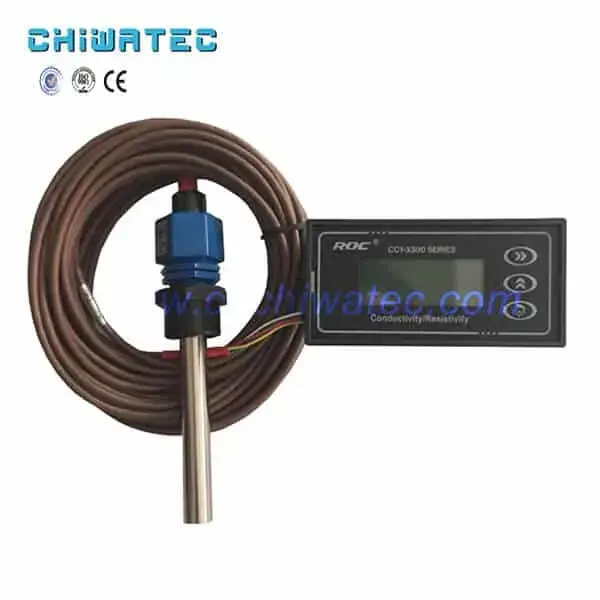
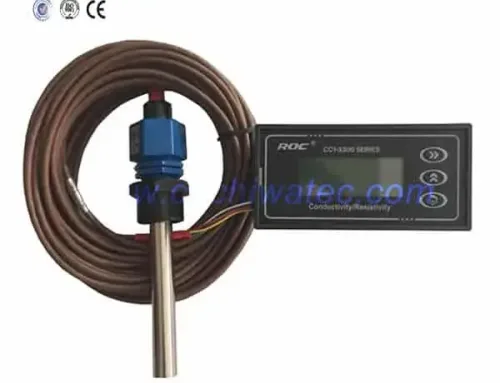
- Electrical conductivity (EC) meters
- TDS meters
These instruments convert conductivity readings into estimated TDS or salinity.
Conclusion
The salt content of water, or salinity, represents the total concentration of dissolved ionic salts. Although it is related to dissolved solids (TDS) and total solids (TS), it is not the same. Salinity plays a critical role in evaluating water for drinking, industrial processes, agriculture, and environmental monitoring. Under certain conditions—especially when water is clean—TDS can serve as a reasonable approximation of salt content, but for precise applications, more accurate analytical methods are recommended.
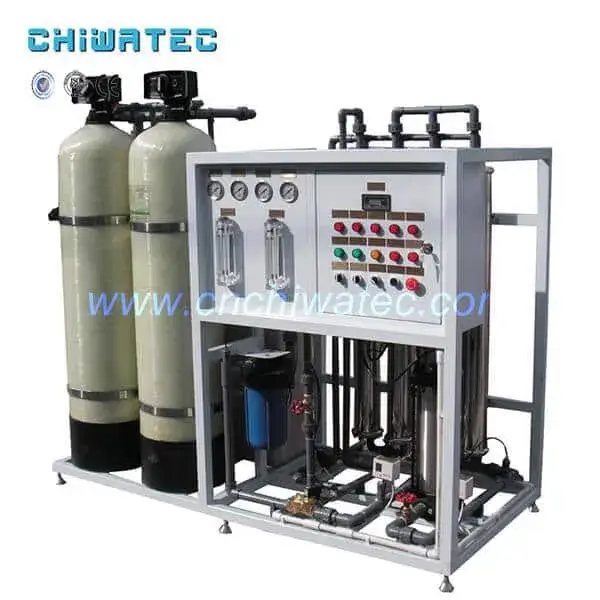
For advanced RO and pretreatment systems, explore CHIWATEC’s full product range:
👉 CHIWATEC Water Treatment Equipment & Solutions
FAQ: Salt Content of Water
1. Is salt content the same as TDS?
No. TDS includes dissolved salts plus organic substances and other dissolved minerals, so it is usually higher than the salt content.
2. How do you measure the salt content of water?
Using direct laboratory analysis or indirect tools like conductivity (EC) or TDS meters, which provide a salinity estimate.
3. What causes high salinity in water?
Common causes include seawater intrusion, mineral dissolution, industrial discharge, and evaporation in arid environments.
4. Why is salinity important in water treatment?
Because salinity affects corrosion, scaling, membrane performance, taste, and environmental safety.
5. Can drinking water have high salt content?
Drinking water must meet quality standards. Excessive salinity can affect taste and long-term health, so treatment such as reverse osmosis may be required.
Xi’an CHIWATEC Water Treatment Technology is a high-tech enterprise specialized in various water processing devices. Aside from these individual products, which cover a number of types and series, we can also help with related comprehensive engineering projects. Thanks to our hard work and dedication upon our founding, we are now one of the fastest-developing water treatment equipment manufacturers in Western China.
Further reading:
FOLLOW US
Do you have a water treatment project we can help with
* Designing,machining,installing,commissioning, customize and one-stop service
 English
  Spanish
  Portuguese