

Softened Water Treatment Equipment 2026: Complete Guide to Water Softener Systems & Benefits
Meta Description: Comprehensive guide to softened water treatment equipment. Learn how water softener systems remove hardness, prevent scale, and save costs. Expert solutions from CHIWATEC for residential and industrial applications.
Executive Summary: Understanding Softened Water in 2026
Softened water refers to water where hardness minerals (primarily calcium and magnesium ions) have been removed or reduced to acceptable levels. In the water softening process, only hardness decreases while total dissolved solids (TDS) remain largely unchanged. The global water softener system market is projected to reach $17.8 billion by 2028, driven by increasing awareness of hard water problems and demand for appliance protection.
Key benefits of soft water:
- Prevents scale formation in pipes, water heaters, and appliances
- Reduces energy consumption by 30-50% (scale-free heating elements)
- Extends equipment lifespan and reduces maintenance costs by 60%+
- Improves cleaning efficiency, reducing detergent usage by 50%+
- Enhances personal care (softer skin, healthier hair)
What is Water Hardness?
Water hardness is caused by dissolved calcium (Ca²⁺) and magnesium (Mg²⁺) ions picked up as water percolates through limestone and mineral deposits. Hardness is measured in grains per gallon (gpg) or milligrams per liter (mg/L as CaCO₃).
Water hardness classification:
- Soft water: 0-60 mg/L (0-3.5 gpg)
- Moderately hard: 61-120 mg/L (3.5-7 gpg)
- Hard water: 121-180 mg/L (7-10.5 gpg)
- Very hard water: >180 mg/L (>10.5 gpg)
Approximately 85% of households in North America and Europe have hard water, making water softening equipment essential for protecting plumbing and appliances.
How Softened Water Treatment Equipment Works
Ion Exchange Process (Most Common Technology)
Water softener systems use ion exchange resin to swap hardness ions (Ca²⁺, Mg²⁺) with sodium (Na⁺) or potassium (K⁺) ions:
Softening cycle:
2R-Na + Ca²⁺ → R₂-Ca + 2Na⁺
2R-Na + Mg²⁺ → R₂-Mg + 2Na⁺
Regeneration cycle (with brine):
R₂-Ca + 2NaCl → 2R-Na + CaCl₂ (waste)
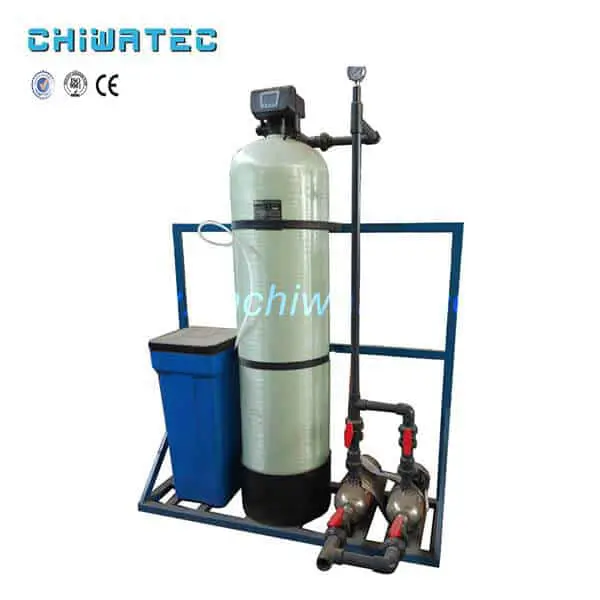
System components:
- Resin tank: Contains cation exchange resin beads (typically polystyrene sulfonate)
- Brine tank: Stores salt (NaCl) or potassium chloride for regeneration
- Control valve: Manages flow direction and regeneration timing (manual, timer-based, or demand-initiated)
- Distribution system: Piping and fittings for whole-house or point-of-use installation
Alternative Softening Technologies
- Template Assisted Crystallization (TAC): Salt-free conditioning that converts hardness into microscopic crystals
- Reverse Osmosis (RO): Membrane filtration removing 99%+ of dissolved ions (for drinking water)
- Electromagnetic/Electronic: Physical water treatment altering crystal formation (effectiveness varies)
- Chelation: Chemical binding of hardness ions using polyphosphates
7 Major Benefits of Softened Water
1. Appliance Protection & Extended Lifespan
Soft water prevents scale buildup in:
- Water heaters (tank and tankless)
- Coffee machines and espresso makers
- Humidifiers and steam irons
- Dishwashers and washing machines
- Bathtubs, shower nozzles, and toilets
- Pipes and plumbing fixtures
Impact: Scale-free appliances operate at peak efficiency, reducing energy costs by 30%+ and extending service life by 5-10 years.
2. Personal Care & Beauty Benefits
Hair care:
- Reduces dandruff and scalp itchiness
- Leaves hair softer, more manageable, and naturally styled
- Reduces hair product usage by 30-40%
Skin care:
- Bathing in soft water leaves skin soft and smooth
- Reduces body dander and dry skin conditions
- Makeup applies more evenly and removes easier
- Less soap scum residue on skin
3. Enhanced Food & Beverage Quality
- Coffee & tea: Improved taste, unique flavor profile, no mineral aftertaste
- Cooking: Rice cooks faster with softer, smoother grains; pasta maintains texture
- Vegetables: Washing removes pesticide residues more effectively; extended freshness
- Soy products: More fragrant soy milk, extended tofu shelf life
- Gardening: Plants thrive with longer flowering periods, spot-free leaves
- Aquariums: Prevents fish diseases, healthier aquatic environment
4. Cleaning Efficiency & Cost Savings
- Laundry: Prevents static electricity, discoloration, and fabric deformation; clothes last longer
- Dishwashing: Spot-free dishes, improved utensil gloss
- Surface cleaning: Strong decontamination power, deodorization for kitchens and bathrooms
- Detergent savings: Reduce soap and detergent usage by 50%+ (soft water lathers easily)
5. Health & Wellness Benefits
- Inhibits fungal growth on skin and surfaces
- Promotes wound healing (gentler on sensitive skin)
- May reduce incidence of gastrointestinal and kidney stone issues
- Reduces constipation risk (softer water is gentler on digestive system)
Note: While soft water has health benefits, those on sodium-restricted diets should consult physicians about drinking softened water or install separate RO systems for drinking water.
6. Energy Efficiency & Environmental Impact
- Water heaters: Scale-free heating elements transfer heat 30-50% more efficiently
- Boilers: Prevents fuel waste from scale insulation (1mm scale = 10-15% energy loss)
- HVAC systems: Clean heat exchangers maintain optimal performance
- Reduced chemical discharge: Less detergent and soap entering wastewater
Environmental impact: A typical household can reduce annual CO₂ emissions by 200-400 kg through improved energy efficiency.
7. Significant Cost Savings
Documented savings with softened water:
- Equipment maintenance: Reduce water equipment and pipeline maintenance costs by 60%+
- Energy costs: Reduce hot water fuel costs by 30%+ (scale-free heating)
- Cleaning supplies: Reduce detergent purchase costs by 50%+
- Appliance replacement: Extend appliance lifespan by 5-10 years
- Plumbing repairs: Prevent pipe blockages and corrosion-related failures
ROI: Most residential water softener systems pay for themselves within 2-4 years through combined savings.
Application Areas of Softened Water
Residential Applications
- Bathrooms: Showers, bathtubs, sinks, toilets
- Kitchens: Sinks, dishwashers, ice makers, coffee machines
- Laundry: Washing machines, utility sinks
- Whole house: Main water entry point for comprehensive protection
Commercial & Industrial Applications
- HVAC: Heating systems, boilers, central air-conditioning equipment
- Hospitality: Hotels, restaurants, laundromats
- Healthcare: Hospitals, clinics, dental offices (sterilization equipment)
- Food service: Commercial kitchens, breweries, beverage production
- Beauty & wellness: Spas, salons, fitness centers
- Manufacturing: Process water, cooling towers, equipment protection
Choosing the Right Water Softener System
Selecting appropriate softened water treatment equipment depends on:
- Water hardness level: Test your water to determine grains per gallon (gpg)
- Household size: Number of occupants affects daily water usage
- Peak flow rate: Simultaneous water use (multiple bathrooms, appliances)
- Available space: Cabinet-style vs. standalone tank systems
- Budget: Initial cost vs. long-term operational expenses
- Preferences: Salt-based vs. salt-free, manual vs. automatic regeneration
Sizing guideline: Multiply daily water usage (gallons) by hardness (gpg) to get grains per day capacity needed. Add 20-30% buffer for peak demand.
Industry Case Studies
Case Study 1: Residential Installation (California, USA)
- Challenge: Very hard water (18 gpg) causing water heater failure every 3-4 years
- Solution: 64,000-grain capacity ion exchange softener with demand-initiated regeneration
- Result: Water heater lifespan extended to 12+ years, energy bills reduced 28%, detergent usage cut 45%
Case Study 2: Hotel Resort (Florida, USA)
- Challenge: Guest complaints about hard water (dry skin, stained fixtures, poor lathering)
- Solution: Central softening plant (200 GPM) with twin-tank continuous supply
- Result: Guest satisfaction scores increased 42%, linen replacement costs reduced 35%, plumbing maintenance down 70%
Case Study 3: Brewery (Colorado, USA)
- Challenge: Inconsistent beer taste due to variable water hardness
- Solution: Softener + RO system for precise water chemistry control
- Result: Product consistency improved, batch rejection rate reduced from 8% to 0.5%, awards won for flagship beer
Conclusion: Is Softened Water Right for You?
Investing in softened water treatment equipment provides measurable benefits:
- Protects plumbing and appliances from costly scale damage
- Reduces energy and maintenance costs by 30-60%
- Improves personal care, cleaning efficiency, and quality of life
- Delivers ROI within 2-4 years for most households
CHIWATEC provides comprehensive water softener system solutions from water testing and system design to installation and ongoing support. Our engineering team helps you select the right equipment for your specific water quality and usage requirements.
Related Resources:
FAQ: Softened Water Treatment Equipment
1. What is softened water treatment equipment?
Softened water treatment equipment (water softeners) removes or reduces calcium and magnesium ions from hard water through ion exchange or alternative technologies. The process reduces hardness while maintaining overall water quality, preventing scale formation and improving cleaning efficiency.
2. How does a water softener work?
A water softener passes hard water through ion exchange resin beads charged with sodium or potassium ions. Hardness minerals (calcium, magnesium) attach to the resin, displacing sodium ions into the water. When resin becomes saturated, it regenerates with brine solution, flushing away accumulated hardness.
3. Is softened water safe to drink?
Yes, softened water is generally safe for healthy individuals. Sodium increase is minimal (typically <20 mg/L). However, people on strict sodium-restricted diets should consult their physician. Many households install separate RO systems at kitchen taps for drinking water while using softened water throughout the home.
4. How often do I need to add salt?
Typical household softeners consume 40-80 lbs (18-36 kg) of salt per month. Check salt level monthly and maintain at least half-full. High-efficiency models use 30-50% less salt. Use high-purity salt pellets to minimize resin fouling and prevent salt bridging.
5. How long does a water softener last?
Quality water softeners last 15-20 years with proper maintenance. Resin typically lasts 10-15 years before replacement. Control valves may need service after 10 years. Regular cleaning, annual inspections, and proper salt usage extend system life significantly.
FOLLOW US
Do you have a water treatment project we can help with
Designing, machining, installing, commissioning, customize and one-stop service






 English
  Spanish
  Portuguese




