Laboratory Ultrapure Water Equipment Process: Complete Guide to Lab Water Purification Technologies 2026
The laboratory ultrapure water process flow is a specialized multi-stage system designed to produce water with resistivity of 15 to ≥18 MΩ·cm for sensitive laboratory applications. From traditional RO + mixed bed ion exchange to advanced RO + EDI (Electrodeionization) and two-stage RO technologies, each configuration delivers specific water quality levels. CHIWATEC provides complete laboratory ultrapure water treatment solutions, offering tailored guidance for research, analytical, and clinical laboratory settings.
Overview of the Laboratory Ultrapure Water Process Flow
A laboratory ultrapure water equipment process typically consists of four major stages: pretreatment, primary purification, polishing, and distribution. Each stage removes specific contaminants — suspended solids, dissolved salts, organic compounds, and microorganisms — to achieve the required water quality. The following table compares the five most common process configurations used in modern laboratories:
| Process Configuration | Final Resistivity | Technology Type | Best Applied To |
|---|---|---|---|
| RO + Mixed Bed (Coarse + Fine) | ≥18 MΩ·cm | Traditional | General analytical labs |
| RO + EDI + Polishing Mixed Bed | ≥18 MΩ·cm | Latest Technology | High-purity research labs |
| Two-Stage RO + EDI | ≥17 MΩ·cm | Latest Technology | Labs with variable feed water |
| RO + EDI (Compact System) | ≥15 MΩ·cm | Latest Technology | Medium-purity applications |
| RO + Mixed Bed (Basic) | ≥15 MΩ·cm | Traditional | Cost-sensitive setups |
Traditional Laboratory Ultrapure Water Process: RO + Mixed Bed
The traditional laboratory ultrapure water process flow uses a pretreatment system followed by reverse osmosis and a two-stage mixed bed ion exchange configuration. The complete chain is: Pretreatment → Reverse Osmosis → Intermediate Water Tank → Coarse Mixed Bed → Fine Mixed Bed → Pure Water Tank → Pure Water Pump → Ultraviolet Sterilizer → Polished Mixed Bed → 0.2 μm Precision Filter → Point of Use (≥18 MΩ·cm). This configuration achieves Type I ultrapure water quality suitable for HPLC, ICP-MS, and other trace analysis instruments. Mixed bed ion exchange effectively removes residual dissolved ions down to sub-ppb levels, though resin regeneration is required periodically, increasing operational complexity and chemical handling costs.
Advanced RO + EDI Process for Laboratory Ultrapure Water
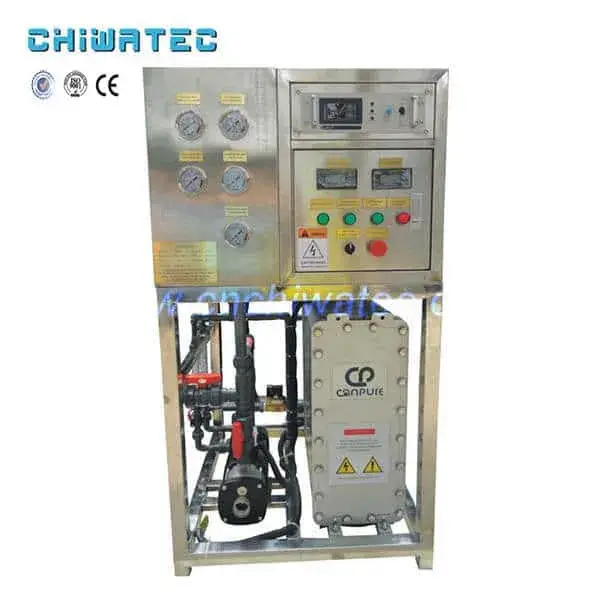
The RO + EDI process represents the latest technology in the laboratory ultrapure water equipment process, eliminating the need for chemical regeneration. The flow path is: Pretreatment → Reverse Osmosis → Intermediate Water Tank → Water Pump → EDI Device → Purified Water Tank → Pure Water Pump → Ultraviolet Sterilizer → Polishing Mixed Bed → 0.2 μm Precision Filter → Point of Use (≥18 MΩ·cm). EDI (Electrodeionization) continuously deionizes the RO permeate using ion-exchange membranes and an electric field, achieving consistent 18 MΩ·cm resistivity without acid/caustic regeneration.
Key advantages include:
- Continuous operation — no regeneration downtime, 24/7 ultrapure water availability
- Reduced chemical usage — eliminates hazardous acid and caustic storage and handling
- Lower operating costs — up to 90% reduction in chemical and labor costs compared to mixed bed systems
- Consistent water quality — stable ≥18 MΩ·cm output regardless of feed water fluctuations
Two-Stage RO with EDI and Positively Charged Membranes
For laboratories with challenging feed water conditions, a two-stage reverse osmosis configuration with positively charged RO membranes and EDI offers enhanced performance. The flow sequence is: Pretreatment → First-Stage RO → pH Adjustment Dosing → Intermediate Water Tank → Second-Stage RO (Positively Charged Membrane) → Pure Water Tank → Pure Water Pump → EDI Device → Ultraviolet Sterilizer → 0.2 μm Precision Filter → Point of Use (≥17 MΩ·cm). Positively charged RO membranes achieve higher rejection of cations and improve silica and boron removal by 15-25% compared to standard membranes. pH adjustment between stages optimizes the feed water pH for the second-stage membrane, maximizing overall salt rejection.
Compact and Mid-Tier Laboratory Ultrapure Water Configurations
Not all laboratory applications require 18 MΩ·cm water. Two additional configurations serve cost-sensitive and medium-purity needs while maintaining a reliable laboratory ultrapure water process flow:
RO + EDI Compact Configuration (≥15 MΩ·cm): Pretreatment → Reverse Osmosis → Intermediate Water Tank → Water Pump → EDI Device → Pure Water Tank → Pure Water Pump → Ultraviolet Sterilizer → 0.2 μm Precision Filter → Point of Use. This simplified EDI system omits the polishing mixed bed, reducing capital costs by approximately 20-30% while still delivering 15 MΩ·cm water suitable for buffer preparation, glassware rinsing, and clinical analyzers.
RO + Mixed Bed Basic Configuration (≥15 MΩ·cm): Pretreatment → Reverse Osmosis → Intermediate Water Tank → Pure Water Pump → Coarse Mixed Bed → Fine Mixed Bed → Ultraviolet Sterilizer → 0.2 μm Precision Filter → Point of Use. This traditional approach remains popular for laboratories with limited budgets and access to regeneration services, providing reliable 15 MΩ·cm water for general laboratory use.
Technology Comparison: Which Laboratory Ultrapure Water Process Is Right for You?
Selecting the right laboratory ultrapure water equipment process depends on required water quality, operational budget, and application sensitivity. The following comparison helps guide decision-making:
| Selection Factor | RO + Mixed Bed (Traditional) | RO + EDI (Advanced) | Two-Stage RO + EDI |
|---|---|---|---|
| Capital Cost | $ (Low) | $$ (Medium) | $$$ (High) |
| Operating Cost/yr | $$$ (High) | $ (Low) | $ (Low) |
| Water Quality | ≤18 MΩ·cm | ≥18 MΩ·cm | ≥17 MΩ·cm |
| Automation Level | Manual | Fully Automatic | Fully Automatic |
| Chemical Handling | Required | None | None |
| Best For | Budget-conscious labs | High-purity research | Variable feed water |
Key Equipment in the Laboratory Ultrapure Water Process Flow
Each component in the laboratory ultrapure water equipment process plays a critical role in achieving the final water quality. Understanding their functions helps in system design and troubleshooting:
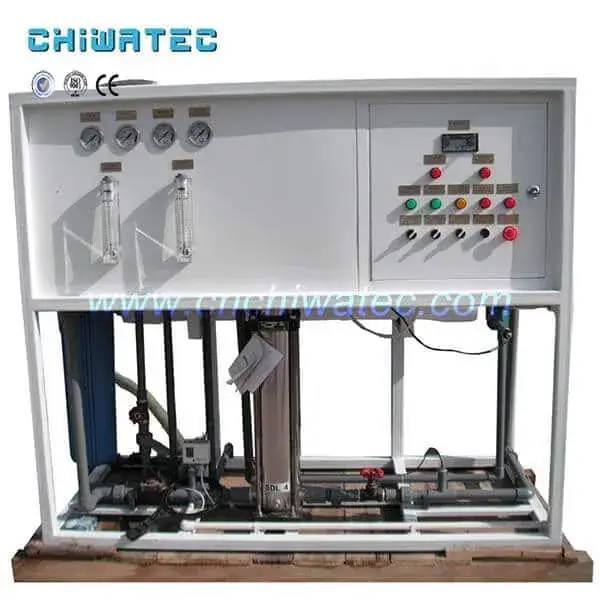
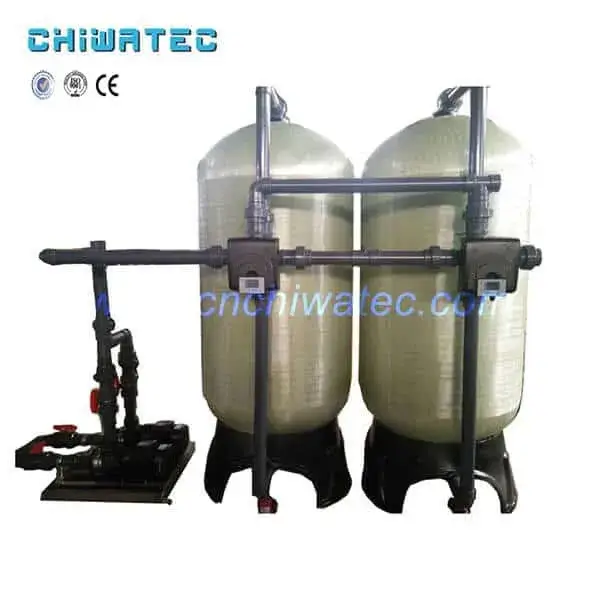
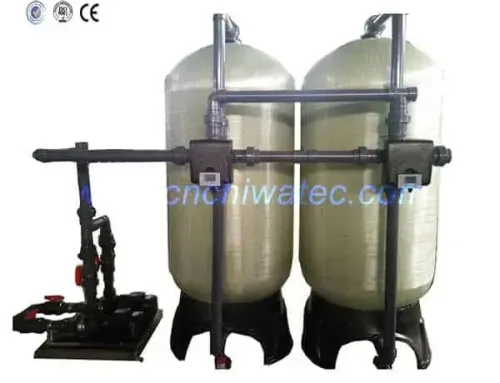
- Pretreatment System — Removes suspended solids (SDI < 5), free chlorine (< 0.1 ppm), and hardness to protect downstream RO membranes. Typically includes multimedia filter, activated carbon filter, and water softener.
- Reverse Osmosis (RO) — The primary desalination step, removing 97-99% of dissolved salts, 99% of bacteria, and 95% of organic compounds. Standard thin-film composite (TFC) membranes operate at 10-15 bar pressure.
- EDI Device — Continuous electrochemical deionization without chemical regeneration. Delivers consistent resistivity of 15-18 MΩ·cm with minimal operator intervention.
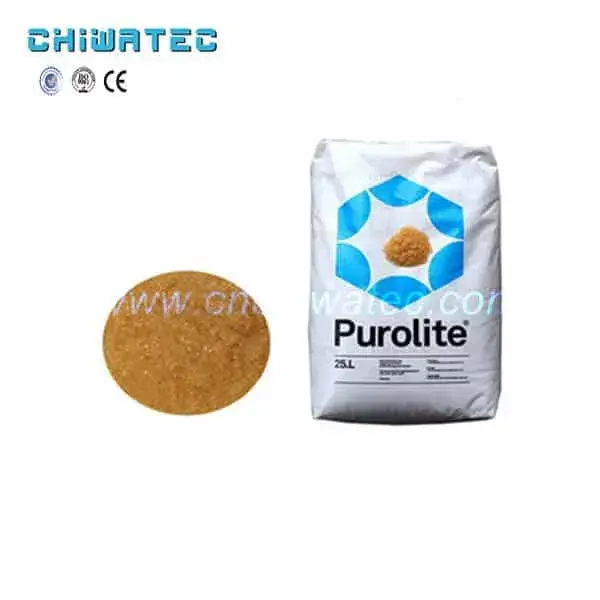
- Mixed Bed Ion Exchange — Polishing step that removes residual ions to achieve ≥18 MΩ·cm. Coarse and fine mixed beds are used in series for maximum purity.
- Ultraviolet Sterilizer — 254 nm UV light kills bacteria and 185 nm UV oxidizes organic compounds (TOC reduction to < 5 ppb).
- Precision Filter (0.2 μm) — Final particle removal at the point of use, ensuring submicron particulate-free water.
Frequently Asked Questions (FAQ)
What water quality does laboratory ultrapure water equipment achieve?
Laboratory ultrapure water equipment processes produce water with resistivity ranging from 15 MΩ·cm (basic configurations) to ≥18 MΩ·cm (advanced RO + EDI + polishing configurations), meeting ASTM Type I, II, and III standards. The highest quality ≥18 MΩ·cm water is essential for critical applications such as ICP-MS, HPLC, and molecular biology protocols.
How often does EDI in a laboratory ultrapure water system need maintenance?
EDI modules in a laboratory ultrapure water equipment process typically require minimal maintenance — cleaning every 6-12 months depending on feed water quality. Unlike mixed bed ion exchange systems that require weekly chemical regeneration, EDI systems operate continuously with automatic cleaning cycles, reducing operator workload by up to 90%.
What is the difference between traditional and latest laboratory ultrapure water technologies?
Traditional laboratory ultrapure water processes rely on RO + mixed bed ion exchange with manual regeneration using acid and caustic chemicals. The latest technologies incorporate EDI (Electrodeionization) and two-stage RO, which eliminate chemical handling, reduce operating costs by 50-60%, and provide fully automatic continuous operation with consistent water quality.
Can laboratory ultrapure water equipment handle variable feed water quality?
Yes. The two-stage RO with positively charged membranes configuration in the laboratory ultrapure water process flow is specifically designed for challenging feed water with high TDS (up to 2,000 ppm), high silica, or variable seasonal quality. pH adjustment between RO stages optimizes rejection rates, maintaining output ≥17 MΩ·cm even under difficult conditions.
What is the lifespan of a laboratory ultrapure water system?
A well-maintained laboratory ultrapure water equipment process system typically operates for 10-15 years. RO membranes require replacement every 2-4 years, EDI modules every 5-8 years, and mixed bed resin every 1-3 years depending on usage intensity and feed water quality. Annual maintenance costs represent approximately 5-8% of the initial capital investment.
Conclusion & Call to Action
The laboratory ultrapure water process flow has evolved from traditional RO + mixed bed configurations to advanced RO + EDI and two-stage RO systems, offering laboratories flexibility in balancing water quality, operating cost, and automation. Understanding the five standard process configurations — from basic mixed bed to fully automated EDI systems — enables laboratory managers, researchers, and facility engineers to select the optimal solution for their specific application requirements.
Contact CHIWATEC today at [email protected] or [email protected] (WhatsApp available) for expert guidance on selecting and designing the right laboratory ultrapure water equipment process for your facility.
Related Resources and Further Reading
- Characteristics and Principles of Laboratory Ultra-Pure Water Equipment
- Comprehensive Guide to Ultrapure Water Equipment Process Flow
- Laboratory Ultrapure Water Systems: Complete Guide to Lab Water Equipment
- Comprehensive Guide to Four Key Pharmaceutical Ultra-Pure Water Systems
- Ultrapure Water Purification System — Product Range
Do you have a water treatment project we can help with
* Designing,machining,installing,commissioning, customize and one-stop service

 English
  Spanish
  Portuguese