RO Membrane Pollutant Cleaning: Complete Guide to High Flow Rate, Low Pressure Cleaning 2026
Is your reverse osmosis system experiencing reduced performance due to membrane fouling? This comprehensive guide covers the three critical cleaning parameters: high flow rate, low pressure, and optimal cleaning frequency. With 15+ years of industry experience and 500+ successful projects worldwide, CHIWATEC delivers proven RO membrane cleaning solutions that restore system performance and extend membrane life.
In 2026, the global RO membrane cleaning services market is valued at $4.2 billion, growing at 8.5% CAGR. Proper cleaning techniques can restore 90-95% of original performance and extend membrane life from 3-5 years to 7-10 years, reducing total cost of ownership by 40-50%. This guide explores critical cleaning parameters, step-by-step procedures, and best practices for maintaining optimal RO system performance.
The Three Critical Parameters of RO Membrane Cleaning
Effective RO membrane cleaning relies on three fundamental parameters working in harmony:
- High Flow Rate – Creates shear force to dislodge contaminants
- Low Pressure – Prevents contaminants from being pressed into membrane
- Optimal Cleaning Frequency – Prevents irreversible fouling buildup
According to Hydranautics technical guidelines, improper cleaning parameters account for 65% of incomplete cleaning cycles and can accelerate membrane degradation.
1. Cleaning Flow Rate: The Power of Shear Force
Flow rate refers to the linear velocity of cleaning solution flowing across the membrane surface – arguably the most critical parameter in RO membrane cleaning.
Why High Flow Rate Matters
During normal operation, particulate pollutants with high adhesion gradually accumulate on the membrane surface. If cleaning flow rate equals or falls below operational flow rate, these contaminants cannot be effectively removed.
Recommended Cleaning Flow Rates
| Parameter | Value | Notes |
|---|---|---|
| Cleaning Flow Rate | 1.2× normal concentrate flow | Minimum recommendation |
| Max Pressure Drop (single element) | 0.7 bar | Absolute maximum |
| Typical Pressure Drop | 0.3-0.5 bar | Optimal range |
Flow Rate and Pressure Relationship
Pressure difference between membrane element ends is directly proportional to inlet water flow. Since single element pressure drop cannot exceed 0.7 bar, manufacturers like Hydranautics strictly limit maximum inlet flow per element.
Pro tip: Higher flow rates create greater horizontal shear force, physically scrubbing contaminants from the membrane surface without chemical assistance.
2. Cleaning Pressure: Less is More
Operating pressure during cleaning has a counterintuitive relationship with cleaning effectiveness.
Why Low Pressure Works Better
During normal high-pressure operation:
- Pressure acts vertically on membrane surface
- Feed water passes through membrane
- Contaminants are pressed onto membrane surface
Using high pressure during cleaning pushes contaminants deeper into membrane pores, reducing cleaning effectiveness.
Recommended Cleaning Pressures
| Pressure Level | Value | Application |
|---|---|---|
| Optimal Cleaning Pressure | <3.0 bar | Standard recommendation |
| Maximum Cleaning Pressure | 4.0 bar | Absolute ceiling |
| Normal Operating Pressure | 10-15 bar | For comparison |
Low Pressure Strategy
When cleaning, use low pressure and high flow rate to maximize horizontal shear force while minimizing vertical pressure that embeds contaminants. If flow requirements cannot be met below 3.0 bar, control inlet pressure as much as possible – never exceed 4.0 bar.
3. Cleaning Frequency: Prevention Beats Cure
Cleaning frequency is often overlooked but critically important for long-term membrane health.
Why Frequent Cleaning Works
When conditions permit, clean the system frequently. Increasing the number of cleaning cycles is more effective than extending individual cleaning duration.
Recommended Cleaning Frequency
| Scenario | Frequency | Rationale |
|---|---|---|
| Preventive Maintenance | >1× per day | Ideal for critical applications |
| Standard Operation | Every 3-12 months | Based on normalized performance |
| Severe Fouling | As needed | When performance drops 10-15% |
Cleaning Water Quality
Cleaning water should generally use qualified pretreatment product water to avoid introducing new contaminants during the cleaning process.
Critical: If cleaning is required more than once per month, the RO pretreatment system needs adjustment or improvement. Frequent cleaning indicates upstream issues.
Step-by-Step RO Membrane Cleaning Procedure
Step 1: Stop Device Safely
Slowly reduce operating pressure and gradually stop the device. Rapid pressure drop from quick shutdown creates water hammer, causing impact damage to:
- Pipelines
- Pressure vessels
- Membrane elements
Step 2: Regulate Valves Correctly
Proper valve sequence is critical to prevent mechanical damage:
- First: Open concentrated water valve fully
- Then: Close water inlet valve
- Finally: Fully open water production valve
Warning: If water production valve is closed by mistake, membrane elements at the back end of pressure vessels may be mechanically damaged due to product water back pressure.
Step 3: Execute Cleaning Operation
- Start the low-pressure cleaning pump
- Slowly open inlet valve while monitoring concentrate flow meter
- Adjust inlet valve until flow and pressure reach design values
- Run for 10-15 minutes
- Slowly close inlet valve
- Stop water inlet pump
2026 Industry Trends: Advanced RO Cleaning Technologies
Smart Monitoring and Automated Cleaning
Modern RO systems feature IoT-enabled sensors for real-time cleaning optimization:
- Differential pressure sensors – Trigger cleaning at optimal thresholds
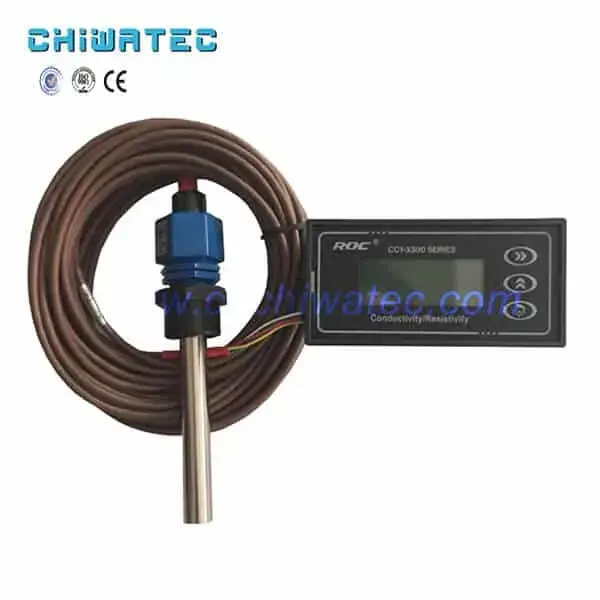
- Conductivity monitors – Verify cleaning effectiveness
- Flow meters – Ensure proper cleaning flow rates
- AI-powered analytics – Predict cleaning needs 2-4 weeks in advance
Plants using automated cleaning report 30% reduction in chemical usage and 25% extension in membrane life.
Environmentally Friendly Cleaning Agents
2026 sees increased adoption of green chemistry:
- Biodegradable chelants – Replace EDTA for metal removal
- Plant-based surfactants – Reduced environmental impact
- Enzyme cleaners – Target-specific, low-temperature operation
CIP (Clean-In-Place) Automation
Full automation reduces human error:
- Programmable cleaning cycles
- Automatic chemical dosing and pH control
- Real-time monitoring of cleaning parameters
- Digital record-keeping for compliance
For comprehensive system maintenance, review our complete guide to RO system operation and maintenance.
Real-World Case Studies: Cleaning Parameter Optimization
Case Study 1: Power Plant, Hebei Province
Challenge: Severe fouling, cleaning ineffective using standard pressure
Solution: Reduced cleaning pressure from 4.5 to 2.5 bar, increased flow rate 30%
Results:
- Permeate flow restored to 95% of design value
- Salt rejection improved from 92% to 97.5%
- Chemical consumption reduced 25%
- Cleaning interval extended from 2 to 6 months
Case Study 2: Electronics Factory, Shenzhen
Challenge: Frequent cleaning required (monthly), membrane degradation
Solution: Implemented daily low-pressure flushing, improved pretreatment
Results:
- Chemical cleaning frequency reduced from monthly to quarterly
- Membrane life extended from 3 to 7 years
- Energy consumption decreased 15%
- ROI achieved in 8 months
Explore additional applications in our optimized RO membrane cleaning process flow guide.
Conclusion: Mastering RO Membrane Cleaning Parameters
Effective RO membrane pollutant cleaning requires precise control of three critical parameters:
- High Flow Rate – 1.2× normal concentrate flow creates shear force
- Low Pressure – Below 3.0 bar prevents contaminant embedding
- Optimal Frequency – Frequent cleaning prevents irreversible fouling
Combined with proper shutdown procedures, valve sequencing, and cleaning execution, these parameters ensure maximum cleaning effectiveness while protecting membrane integrity.
At CHIWATEC, we provide comprehensive RO membrane support including cleaning chemical selection, procedure development, and on-site technical assistance. Our 15+ years of engineering excellence ensures your RO system operates at peak efficiency.
Need expert assistance with RO membrane cleaning? Contact our technical team for a free consultation and customized cleaning program.

FAQ: RO Membrane Pollutant Cleaning
1. What is the optimal cleaning flow rate for RO membranes?
Recommended cleaning flow rate is 1.2 times the normal concentrate flow rate. This creates sufficient shear force to dislodge contaminants while staying within the 0.7 bar maximum pressure drop limit per element.
2. Why should cleaning pressure be lower than operating pressure?
High pressure during cleaning pushes contaminants deeper into membrane pores. Low pressure (<3.0 bar) with high flow rate maximizes horizontal shear force while minimizing vertical pressure that embeds contaminants.
3. How often should RO membranes be cleaned?
Standard cleaning frequency is every 3-12 months based on normalized performance data. When conditions permit, daily low-pressure flushing is recommended. If chemical cleaning is needed more than monthly, pretreatment requires improvement.
4. What happens if I use high pressure during cleaning?
High pressure reduces cleaning effectiveness by pressing contaminants onto membrane surface. This can lead to incomplete cleaning, accelerated fouling, and reduced membrane life.
5. Can cleaning restore damaged membranes?
Chemical cleaning restores fouled membranes to 90-95% of original performance if performed before permanent damage. Physical damage (tears, oxidation) cannot be repaired through cleaning.
6. What water quality should be used for cleaning?
Cleaning water should use qualified pretreatment product water to avoid introducing new contaminants. Using poor quality water can worsen fouling and reduce cleaning effectiveness.
For more technical resources, visit our RO Membrane product category.
FOLLOW US
Do you have a water treatment project we can help with
* Designing, machining, installing, commissioning, customize and one-stop service
 English
  Spanish
  Portuguese