Reverse Osmosis Core Technology: Complete Guide to Key Technologies and Applications 2026
This guide to reverse osmosis core technology provides a comprehensive overview of the fundamental technologies, system components, and applications that make reverse osmosis the world’s leading desalination and water purification method. Reverse osmosis technology was developed by the US government and NASA with substantial investment in the late 1960s for wastewater recovery in spacecraft, and has since evolved into one of the most critical water treatment technologies of the modern era. Known as “one of the six high technologies of the twentieth century,” RO technology today powers over 100 million m³/day of desalination capacity worldwide. CHIWATEC integrates these core technologies into complete RO water treatment systems serving municipal, industrial, pharmaceutical, and commercial applications.
Reverse Osmosis Core Technology: Membrane Separation Principle
At the heart of reverse osmosis core technology lies the semi-permeable membrane separation principle. When hydraulic pressure exceeding the natural osmotic pressure of the feed solution is applied to the concentrated side, water molecules are forced to migrate through the membrane in the reverse direction of natural osmosis, leaving dissolved salts and contaminants behind.
The RO membrane itself is the singular most critical component of the technology. Modern thin-film composite (TFC) polyamide membranes achieve salt rejection rates of 99.0-99.8% while operating at pressures of 150-1,200 psi depending on feed water salinity. The membrane consists of three integrated layers: an ultra-thin polyamide skin layer (0.05-0.2 microns) formed by interfacial polymerization, a microporous polysulfone support layer (about 40 microns), and a non-woven polyester fabric backing (about 120 microns) for mechanical strength.
The key technical advances in RO membrane development over the past five decades include:
- Asymmetric cellulose acetate membranes (1960s-70s) — The first commercially viable RO membranes with 95-97% rejection, but limited by narrow pH tolerance (4-7) and chlorine sensitivity
- Thin-film composite polyamide membranes (1980s-present) — The current industry standard achieving 99.5-99.8% rejection with wider pH tolerance (2-11) and higher flux rates
- Low-energy membranes (2000s-present) — Modified TFC membranes operating at 30-50% lower pressure for brackish water, reducing energy consumption by 20-35%
- Anti-fouling membranes (2010s-present) — Surface-modified membranes with reduced adhesion for organic and biological foulants, extending cleaning intervals by 40-60%
Key Components of RO Systems
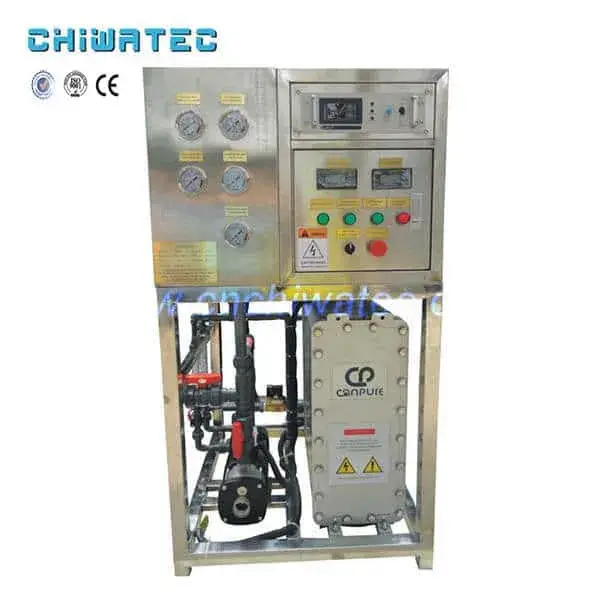
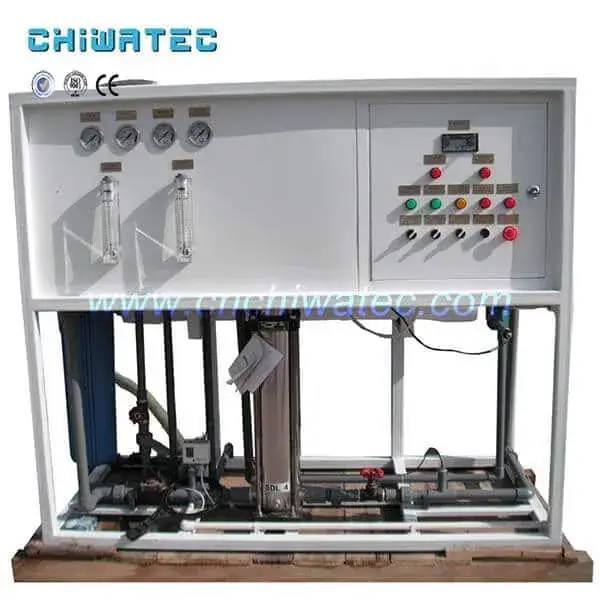
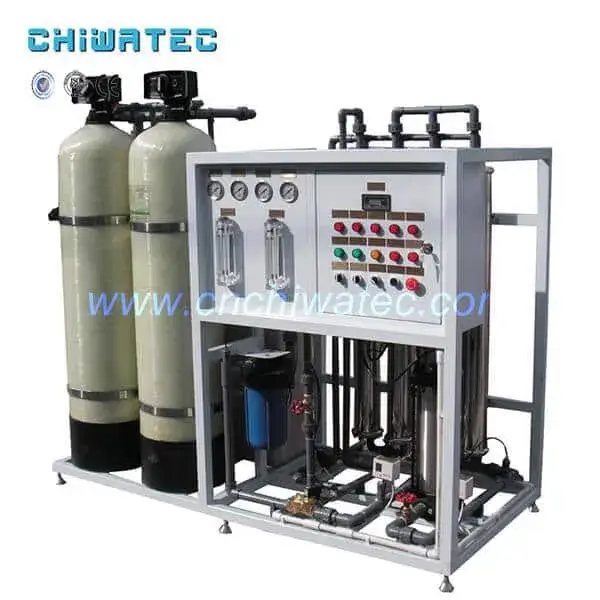
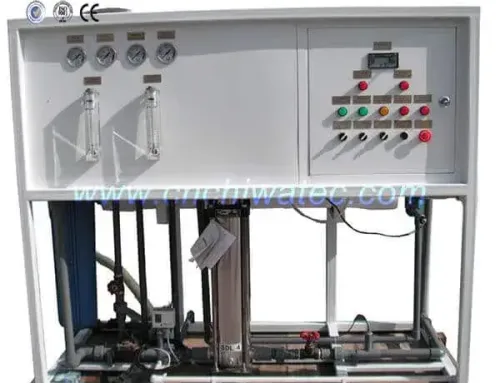
A complete reverse osmosis system integrates several core technology components working together to achieve reliable water purification. Each component plays a critical role in system performance, efficiency, and longevity:
| Component | Function | Technology |
| RO membrane elements | Salt rejection and water permeation | Thin-film composite polyamide, spiral wound configuration |
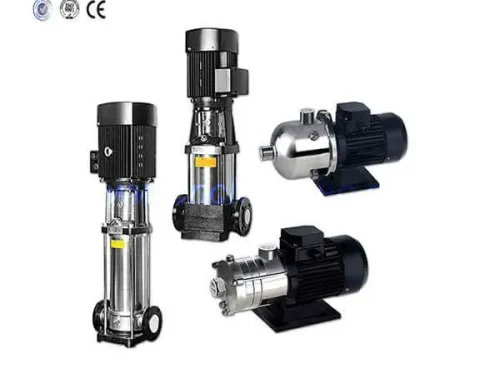
| High-pressure pump | Provides driving pressure for permeation | Multistage centrifugal, positive displacement, or axial piston (1,200-8,000 kPa) |
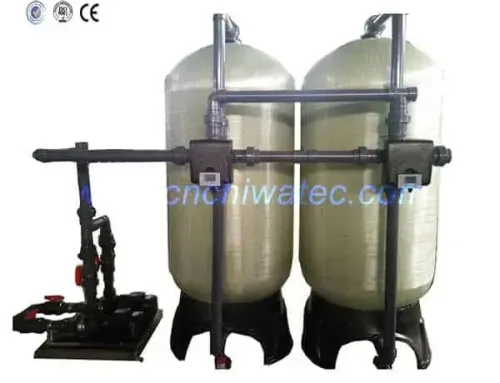
| Pressure vessels | Holds membrane elements under pressure | Fiberglass reinforced plastic (FRP) or stainless steel, rated to 1,200 psi |
| Control system | Automated operation monitoring and protection | PLC-based with conductivity, flow, pressure, pH, and temperature sensors |
| Chemical dosing system | Antiscalant, pH adjustment, and cleaning chemicals | Diaphragm metering pumps with calibration columns, 0.5-20 L/h output |
| Pretreatment system | Removes suspended solids, chlorine, and hardness | Multi-media filtration, activated carbon, water softening, cartridge filtration |
| Energy recovery device | Recovers pressure energy from concentrate stream | Pelton turbine, pressure exchanger, or turbocharger (only for large systems) |
| Post-treatment system | Final pH and mineral adjustment | Calcite filter, remineralization, UV sterilization |
Pretreatment Technologies in RO Systems
Effective pretreatment is essential for protecting RO membranes from fouling, scaling, and chemical degradation. Without proper pretreatment, membrane life can be reduced from 5-7 years to less than 12 months. The core pretreatment technologies include:
- Multi-media filtration — Removes suspended solids above 10-20 microns using graded layers of anthracite, sand, and garnet. A properly designed filter operates at 10-20 m/h filtration rate and reduces SDI to below 5.
- Activated carbon filtration — Removes free chlorine and chloramines that would degrade polyamide membranes. Carbon filters achieve 95-99% chlorine removal at 8-15 m/h contact velocity.
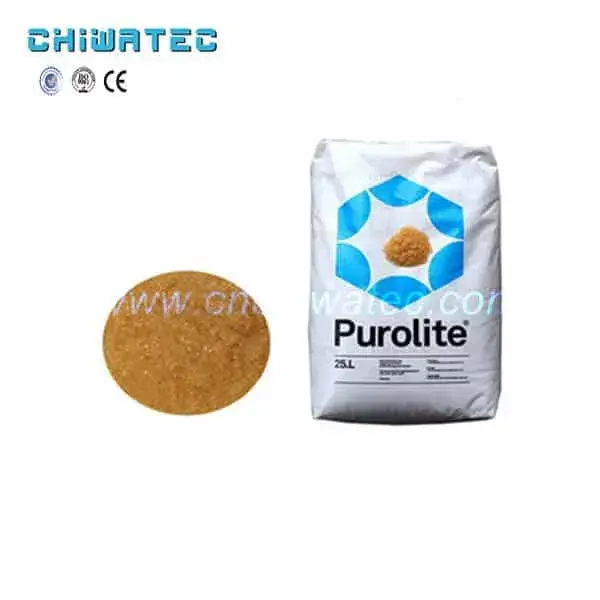
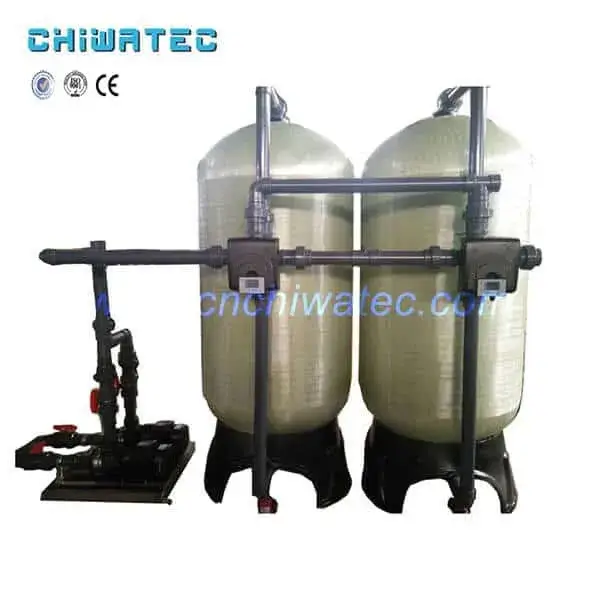
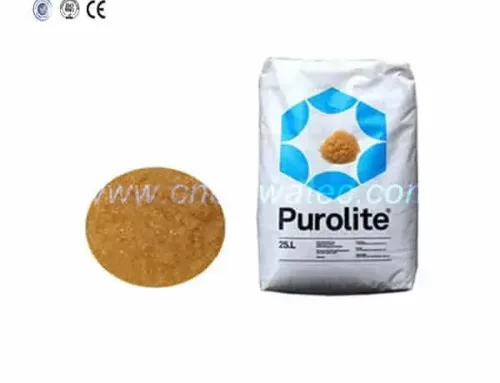
- Water softening — Ion exchange softening removes calcium and magnesium hardness cations, replacing them with sodium. This prevents calcium carbonate scaling and is essential for systems operating at recovery rates above 75%.
- Antiscalant dosing — Chemical inhibitors prevent precipitation of sparingly soluble salts (CaCO3, CaSO4, BaSO4, SrSO4, SiO2) at concentrations 4-10 times above normal solubility limits. Typical dosage rates are 2-6 mg/L.
- Cartridge filtration — Final 5-micron protection before membrane elements catches any particles that may bypass earlier pretreatment stages. Filter elements should be replaced when differential pressure exceeds 10 psi.
Advanced Control Systems in RO Technology
Modern reverse osmosis systems employ sophisticated control technologies that optimize operation, protect equipment, and minimize operator intervention. The core control technologies include:
PLC-based automation — Programmable logic controllers manage all aspects of RO system operation: feed pump start/stop, membrane flushing, chemical dosing, permeate quality monitoring, and alarm activation. Modern PLCs support remote monitoring via SCADA systems and IoT platforms, enabling real-time performance tracking from any location.
Online monitoring instrumentation — Continuous measurement of key parameters ensures early detection of performance degradation:
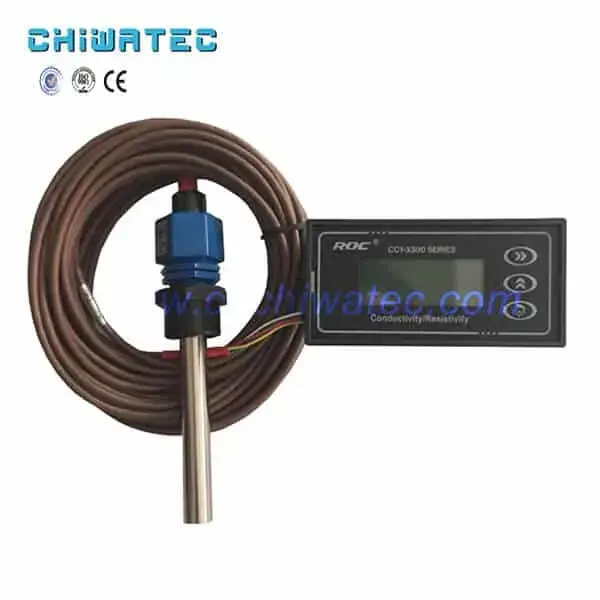
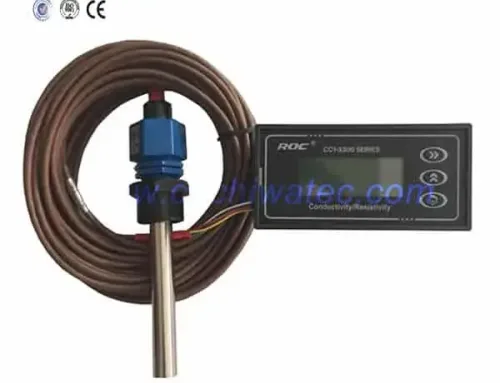
- Conductivity sensors monitor feed, permeate, and concentrate TDS
- Flow meters track permeate production and recovery rate
- Pressure transmitters measure differential pressure across membrane stages
- pH sensors verify feed water and permeate quality
- Temperature sensors enable normalized performance calculations
Automatic membrane flushing — Periodic flush cycles remove accumulated foulants from the membrane surface, extending cleaning intervals. Flush frequency and duration are programmable based on operating time, permeate production, or differential pressure thresholds.
Fault diagnostic systems — Advanced control systems include automated diagnostic routines that identify common operating problems such as membrane fouling, scaling, pump cavitation, valve failure, and instrument drift. Diagnostic alerts with specific corrective actions reduce troubleshooting time by 50-70%.
Energy Recovery and Efficiency Technologies
Energy consumption is a major operating cost for RO systems, particularly in seawater desalination where feed pressures of 800-1,200 psi are required. Core energy technologies address this challenge from multiple angles:
Energy recovery devices (ERD) — In seawater RO systems, the concentrate stream leaves the membrane vessels at 780-1,180 psi, still containing approximately 60% of the input pumping energy. ERDs capture this energy and transfer it directly to the feed stream, reducing net energy consumption by 35-60%. Modern pressure exchanger systems achieve energy transfer efficiencies above 95%, enabling SWRO energy consumption of 2.5-3.5 kWh/m³.
Low-energy membrane elements — Advanced membrane chemistry allows brackish water RO systems to operate at pressures of 80-150 psi (compared to 200-250 psi for standard BWRO elements). For a 10,000 m³/day system operating at 100 psi, this translates to annual energy savings of approximately 250,000-400,000 kWh compared to conventional elements.
Variable frequency drives (VFD) — VFD-controlled high-pressure pumps adjust motor speed to match system demand, eliminating energy waste from throttling valves or bypass flow. VFDs reduce pump energy consumption by 15-25% compared to constant-speed operation and also provide soft-start capability that extends pump life.
Applications of Reverse Osmosis Core Technology
The versatility of reverse osmosis core technology has driven its adoption across virtually every sector of water treatment and industrial processing. The following table summarizes the primary application domains and their specific technical requirements:
| Application | Feed TDS | Membrane Type | Recovery Rate | Key Requirement |
| Seawater desalination | 30,000-45,000 mg/L | SWRO | 35-50% | High rejection, energy recovery |
| Brackish water treatment | 1,000-10,000 mg/L | BWRO | 70-85% | Low energy, antiscalant dosing |
| Ultrapure water (electronics) | 200-500 mg/L | High-rejection TFC | 75-90% | Post-RO EDI or mixed bed |
| Pharmaceutical water | 200-500 mg/L | Sanitary TFC | 65-80% | USP/EP compliance, sanitizable |
| Industrial process water | 500-5,000 mg/L | BWRO | 70-85% | Feed-specific pretreatment |
| Wastewater reuse | 1,000-3,000 mg/L | Low-fouling BWRO | 60-75% | UF pretreatment, anti-fouling membranes |
| Food and beverage | 500-3,000 mg/L | Sanitary/specialty | 70-85% | Sanitary design, CIP capability |
In the consumer market, the integration of reverse osmosis core technology with intelligent control features has produced advanced water purification systems. Microcomputer-controlled RO water purifiers incorporate filter element replacement prompts, automatic diagnostic systems, and automatic flushing devices that prolong filter life. Sealed water circuit designs prevent secondary contamination by isolating stored water from air contact, while energy-saving technologies such as internal heat exchange and efficient refrigeration coils reduce standby power consumption by 30-50% compared to conventional systems.
Future Trends in RO Technology Development
The evolution of reverse osmosis core technology continues to accelerate, driven by global water scarcity, rising energy costs, and advancing material science. Key development directions include:
- Next-generation membrane materials — Graphene oxide, carbon nanotube, and biomimetic aquaporin membranes promise 2-5 times higher water permeability than current TFC membranes while maintaining or improving salt rejection. Commercial-scale production is expected within 5-10 years.
- Digital twin and AI optimization — Real-time digital replicas of RO systems using machine learning algorithms predict fouling, optimize cleaning schedules, and adjust operating parameters autonomously, reducing chemical consumption by 15-25% and extending membrane life by 20-30%.
- Renewable-powered desalination — Solar and wind-powered RO systems are becoming economically viable, particularly in remote and off-grid locations. Solar-powered SWRO plants now achieve water costs below $1.00/m³ in favorable locations.
- Zero liquid discharge integration — RO is increasingly coupled with brine concentrators and crystallizers to achieve ZLD in industrial applications, eliminating liquid waste discharge entirely. Over 100 ZLD-RO installations are now operating globally in the power, chemical, and mining sectors.
Frequently Asked Questions
What is the difference between RO and other membrane technologies?
RO uses the tightest membrane (0.5-10 nm pores) and removes dissolved salts (97-99.8%). Nanofiltration (NF) has larger pores (1-10 nm) and removes divalent ions but passes monovalent ions. Ultrafiltration (UF) removes particles above 10-100 nm but does not remove dissolved salts. Microfiltration (MF) removes particles above 100-1,000 nm only. RO requires the highest operating pressure (150-1,200 psi) among all membrane processes.
How much energy does reverse osmosis consume?
Modern seawater RO plants consume 2.5-4.0 kWh/m³ of permeate produced, including all pretreatment and auxiliaries. Brackish water RO consumes 0.5-1.5 kWh/m³. Energy consumption has decreased by approximately 75% since the 1970s due to advances in membrane technology, energy recovery devices, and high-efficiency pumps.
What causes RO membrane fouling and how is it prevented?
Common fouling types include: inorganic scaling (CaCO3, CaSO4, silica), organic fouling (humic acids, oils), colloidal fouling (clay, silt, iron hydroxide), and biofouling (bacteria, fungi). Prevention requires: proper pretreatment (filtration, softening, antiscalant), regular membrane flushing, maintaining design flux rates, and periodic chemical cleaning.
Can reverse osmosis remove all contaminants from water?
RO removes 90-99.8% of most contaminants but not all. Small molecular weight organics and dissolved gases (carbon dioxide, hydrogen sulfide) can pass through RO membranes. Volatile organic compounds (VOCs) with molecular weight below 100 g/mol may also partially pass. Post-treatment such as activated carbon filtration or degasification is required for complete removal of these contaminants.
What is the typical lifespan of an RO system?
An RO system’s mechanical components (pumps, vessels, piping, valves) typically last 15-25 years with proper maintenance. Membrane elements require replacement every 3-7 years depending on feed water quality and operating conditions. Instrumentation and controls typically last 8-12 years before requiring upgrade.
Conclusion and Call to Action
Reverse osmosis core technology has transformed global water treatment capabilities, enabling affordable desalination, ultrapure water production, and wastewater reuse on an unprecedented scale. From advanced membrane materials to intelligent control systems and energy recovery devices, each technological component contributes to RO systems that are more reliable, efficient, and cost-effective than ever before.
Xi’an CHIWATEC Water Treatment Technology is a high-tech enterprise specialized in various water processing devices. Aside from these individual products, which cover a number of types and series, we can also help with related comprehensive engineering projects. Thanks to our hard work and dedication upon our founding, we are now one of the fastest-developing water treatment equipment manufacturers in Western China. As a professional water treatment solution provider, CHIWATEC delivers complete RO systems incorporating the latest core technologies, customized to meet specific application requirements.
For expert consultation on applying reverse osmosis core technology to your water treatment project, contact our technical team:
Email: [email protected]
Email: [email protected]
Related Resources
- Reverse Osmosis Technology Fundamentals: Complete Guide to RO Membrane Principles 2026
- Reverse Osmosis Pretreatment Methods: Analysis of Five Common Processes 2026
- Reverse Osmosis Feed Water Quality Requirements: Complete Guide to RO System Standards 2026
- RO System Pretreatment and Design (Part 1): Insoluble Salts, Silica, Metal Oxides 2026
- Explore Our RO Water Treatment Systems
Do you have a water treatment project we can help with
* Designing,machining,installing,commissioning, customize and one-stop service
 English
  Spanish
  Portuguese