Industrial RO water treatment systems have become the backbone of modern manufacturing, with the global industrial water treatment market valued at $67.8 billion in 2025 and projected to reach $105.3 billion by 2032. As industries face stricter discharge regulations and rising water costs, commercial reverse osmosis equipment delivers reliable, cost-effective solutions for producing high-purity process water.
This comprehensive guide examines industrial reverse osmosis pure water equipment applications across sectors, system configurations, operational best practices, and 2026 technology advancements that maximize efficiency while minimizing environmental impact.
Why Industrial RO Systems Outperform Traditional Water Treatment
Industrial reverse osmosis systems offer significant advantages over conventional distillation and deionization methods:
- Desalination rate: RO achieves 95-99.9% salt rejection compared to 80-90% for traditional distillation
- Water output: Modern RO systems produce 5-15 times more water per hour than equivalent distillation units
- Energy efficiency: RO consumes only 1/20 to 1/50 the energy of thermal distillation processes
- Wastewater reduction: Advanced recovery systems achieve 75-90% water utilization vs. 40-50% for older technologies
- Operating costs: Total cost of ownership is 1/3 to 1/4 of conventional distilled water systems
- Automation: PLC-controlled systems operate continuously without manual intervention
These performance metrics make industrial RO water treatment systems the preferred choice for facilities requiring consistent, high-volume purified water production.

Key Components of Industrial Reverse Osmosis Equipment
1. Pretreatment Systems
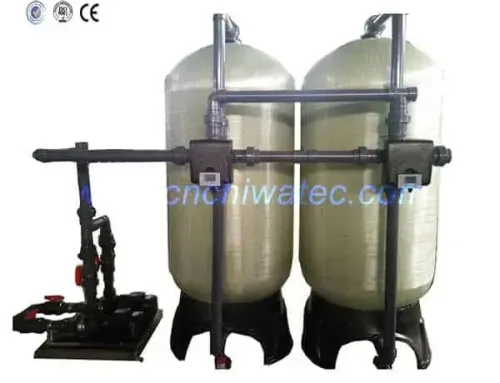
Effective pretreatment protects RO membranes and extends system lifespan. Standard configurations include:
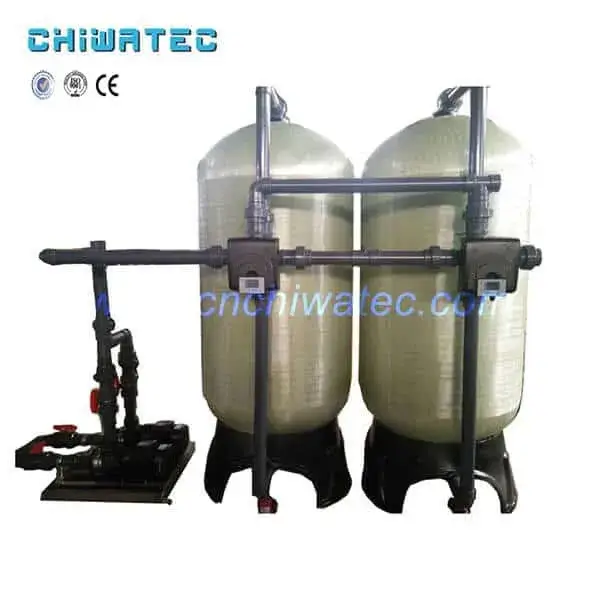
- Multimedia filters: Remove suspended solids, sediment, and turbidity down to 20-50 microns
- Activated carbon filters: Adsorb chlorine, organics, and taste/odor compounds that degrade RO membranes
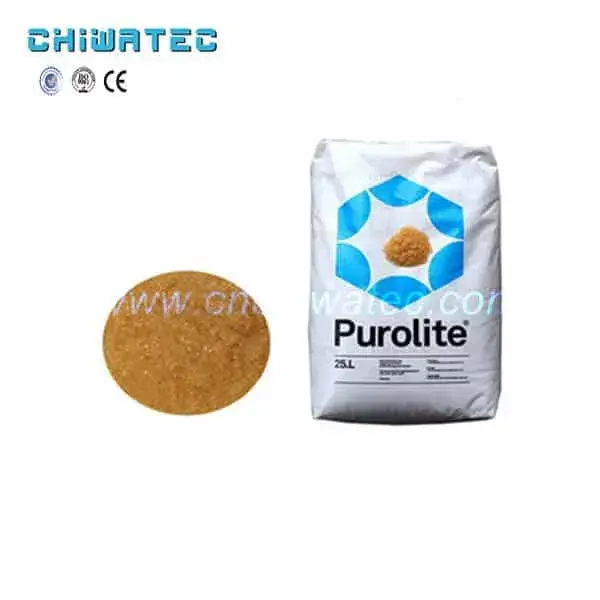
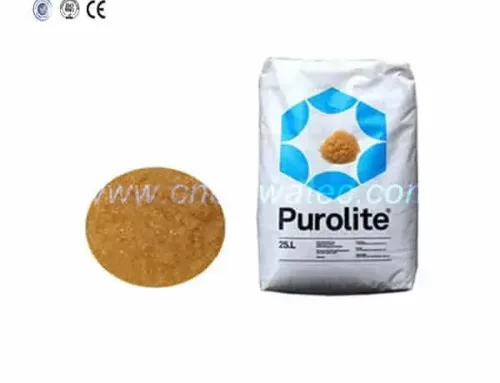
- Water softeners: Exchange calcium and magnesium ions to prevent scale formation on membrane surfaces
- Antiscalant dosing: Chemical injection prevents mineral precipitation in high-recovery systems
- Microfiltration/Ultrafiltration: Sub-micron filtration provides final pretreatment barrier
2. High-Pressure Pumping Stations
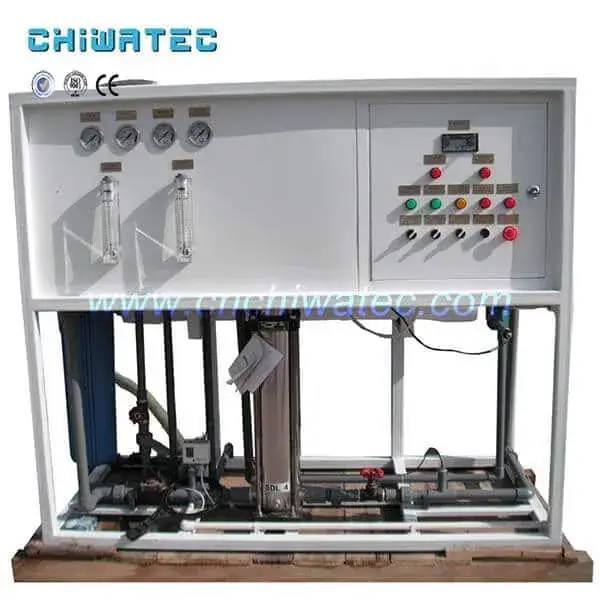
Industrial-grade centrifugal or multistage pumps generate the pressure required for reverse osmosis:
- Brackish water RO: 150-400 PSI (10-28 bar) operating pressure
- Seawater RO: 800-1,200 PSI (55-83 bar) operating pressure
- Variable frequency drives (VFD): Adjust pump speed to match demand, reducing energy consumption by 25-40%
- Soft-start controls: Minimize hydraulic shock and extend pump bearing life
3. RO Membrane Vessels and Arrays
Commercial reverse osmosis equipment utilizes spiral-wound membrane elements housed in fiberglass or stainless steel pressure vessels:
- Membrane diameter: 4-inch (100-500 GPD) or 8-inch (1,000-1,500 GPD per element)
- Array configurations: Single-stage, two-stage, or multi-stage arrangements optimize recovery and quality
- Membrane materials: Thin-film composite (TFC) polyamide offers superior salt rejection and chemical resistance
- Vessel pressure ratings: 300 PSI, 600 PSI, or 1,200 PSI depending on application
4. Post-Treatment and Polishing
After RO filtration, additional treatment ensures water meets specific quality requirements:
- Mixed bed deionization: Achieves ultrapure water with resistivity up to 18.2 MΩ·cm
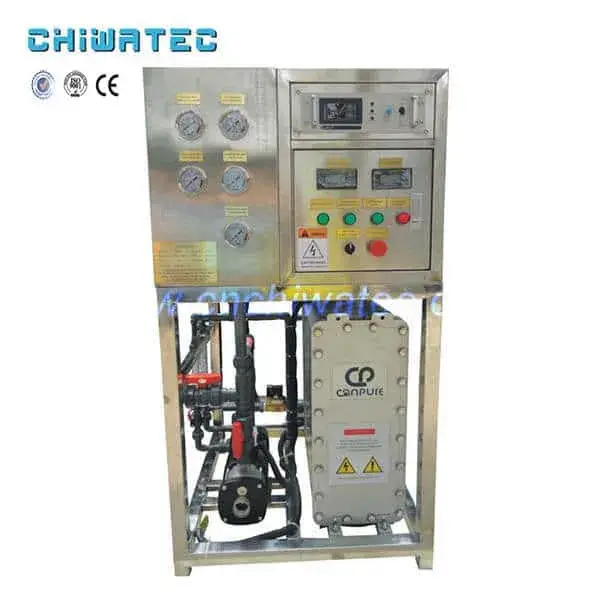
- Electrodeionization (EDI): Continuous chemical-free polishing for pharmaceutical and electronics applications
- UV sterilization: Destroys residual bacteria and reduces TOC levels
- Ozone injection: Provides disinfection residual for distribution loops
- Degasification: Removes dissolved CO₂ and other gases that affect pH and conductivity
Applications of Industrial RO Water Treatment Systems
Power Generation
Thermal power plants require ultrapure boiler feed water to prevent scaling and corrosion in high-pressure steam systems. Industrial reverse osmosis pure water equipment produces water with conductivity below 5 μS/cm, extending boiler tube life and improving thermal efficiency.
Chemical and Petrochemical Processing
Chemical manufacturers use commercial reverse osmosis equipment for process water, cooling tower makeup, and wastewater recycling. RO systems reduce total dissolved solids (TDS) to prevent product contamination and equipment fouling in reactors and heat exchangers.
Food and Beverage Production
Food processors rely on industrial RO water treatment systems for ingredient water, product formulation, bottle rinsing, and cleaning-in-place (CIP) operations. RO-treated water ensures consistent taste, extends shelf life, and meets FDA and EU food safety regulations.
Pharmaceutical and Biotechnology
Pharmaceutical manufacturing demands Water for Injection (WFI) and Purified Water meeting USP, EP, and JP pharmacopeia standards. Industrial reverse osmosis pure water equipment combined with EDI and distillation produces water with TOC below 500 ppb and conductivity below 1.3 μS/cm at 25°C.
Electronics and Semiconductor Manufacturing
Semiconductor fabs require ultrapure water (UPW) with resistivity of 18.2 MΩ·cm and particle counts below 1 particle/mL (>0.05 μm). Multi-stage RO systems serve as the primary purification step before final polishing with EDI and ultrafiltration.
Textile and Dyeing Operations
Textile manufacturers use commercial reverse osmosis equipment to produce consistent water quality for dyeing and finishing processes. RO-treated water prevents color variation, reduces chemical consumption, and enables wastewater recycling for sustainable operations.
System Sizing and Configuration for Industrial Applications
Capacity Planning
Proper system sizing ensures reliable water supply while avoiding overcapacity costs:
- Peak demand analysis: Calculate maximum hourly consumption including cleaning cycles and batch operations
- Storage tank sizing: 2-4 hours of average demand provides buffer for production fluctuations
- Redundancy planning: N+1 membrane arrays allow maintenance without production shutdown
- Future expansion: Design skid foundations and piping for 20-30% capacity increases
Recovery Rate Optimization
Recovery rate (permeate flow ÷ feed flow) affects water efficiency and membrane life:
- Brackish water RO: 75-85% recovery with proper antiscalant dosing
- Seawater RO: 40-50% recovery due to high osmotic pressure
- Two-pass RO: 60-70% overall recovery with superior permeate quality
- Zero liquid discharge (ZLD): 95-98% recovery with evaporator/crystallizer integration
Energy Recovery Integration
Energy recovery devices (ERDs) capture pressure energy from concentrate streams:
- Pelton wheel turbines: 80-85% energy recovery efficiency
- Isobaric chambers: 95-98% energy recovery with lower maintenance
- Turbochargers: Combined pump/ERD reduces footprint and capital cost
ERDs reduce overall system energy consumption by 40-60%, paying for themselves within 12-24 months through electricity savings.
Operational Best Practices for Industrial RO Systems
Monitoring and Control
Continuous monitoring detects performance degradation and prevents membrane damage:
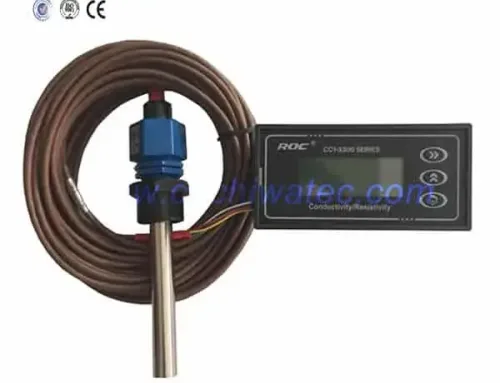
- Key parameters: Feed pressure, differential pressure, permeate flow, concentrate flow, conductivity, pH, ORP
- Normalized data: Temperature and pressure correction reveals true membrane performance trends
- Alarm setpoints: High pressure, low flow, conductivity excursion, and chlorine detection trigger automatic shutdown
- SCADA integration: Remote monitoring enables predictive maintenance and reduces site visits
Membrane Cleaning Protocols
Regular cleaning maintains membrane performance and extends service life:
- Cleaning triggers: 10-15% permeate flow decline, 15% pressure drop increase, or 10% salt passage increase
- Acid cleaning: 2% citric acid or 0.5% HCl removes mineral scale (calcium carbonate, iron, manganese)
- Alkaline cleaning: 0.1% NaOH with EDTA or surfactants removes organic fouling and biofilm
- Cleaning frequency: Every 3-6 months depending on feed water quality and pretreatment effectiveness
Preventive Maintenance Schedule
| Component | Frequency | Task |
|---|---|---|
| Pretreatment Filters | Weekly/Monthly | Backwash, media replacement |
| Cartridge Filters | Monthly | Inspect and replace if ΔP > 5 PSI |
| RO Membranes | Quarterly | Performance analysis, cleaning if needed |
| High-Pressure Pumps | Annually | Lubrication, seal inspection, vibration analysis |
| Instrumentation | Annually | Calibration of pressure gauges, conductivity meters, flow meters |
| Control Panel | Annually | Electrical connections, contactor inspection |
Latest Innovations in Industrial RO Technology (2026)
Digital Twin Systems
Advanced industrial RO water treatment systems now feature digital twin technology that creates virtual replicas of physical equipment. Machine learning algorithms analyze real-time data to predict membrane fouling 2-4 weeks in advance, optimize cleaning schedules, and recommend operational adjustments that improve efficiency by 5-10%.
Low-Fouling Membrane Surfaces
Next-generation membranes incorporate hydrophilic surface modifications and zwitterionic polymer coatings that reduce biofouling and organic adsorption by 60-70%. These advanced materials extend cleaning intervals from 3 months to 6-9 months, reducing chemical consumption and downtime.
Modular Containerized Systems
Pre-engineered containerized commercial reverse osmosis equipment offers rapid deployment for remote mining operations, disaster relief, and temporary industrial projects. ISO shipping container installations include all pretreatment, RO skids, electrical systems, and controls—reducing on-site construction time by 70%.
Hybrid RO-FO Systems
Forward osmosis (FO) pretreatment combined with conventional RO achieves higher recovery rates with reduced energy consumption. Hybrid systems use low-pressure FO to concentrate feed water before RO processing, enabling 90%+ recovery for challenging wastewater applications.
Conclusion
Industrial RO water treatment systems deliver unmatched performance, efficiency, and reliability for producing high-purity process water across manufacturing sectors. From power generation to pharmaceuticals, commercial reverse osmosis equipment enables industries to meet stringent water quality standards while reducing operational costs and environmental impact.
CHIWATEC combines decades of engineering expertise with cutting-edge industrial reverse osmosis pure water equipment technology to design, manufacture, and commission customized water treatment solutions. Our team provides comprehensive support—from initial water analysis and system design to installation, training, and ongoing maintenance services.
Contact CHIWATEC today for a free consultation on optimizing your industrial water treatment operations with advanced RO technology tailored to your specific application requirements.
FAQ: Industrial RO Water Treatment Systems
1. What is the typical lifespan of industrial RO membranes?
With proper pretreatment and maintenance, industrial RO membranes last 3-5 years. Regular monitoring, timely cleaning, and maintaining optimal operating conditions can extend membrane life by 30-40%.
2. How much energy does an industrial RO system consume?
Energy consumption varies by feed water TDS and system configuration. Brackish water RO typically consumes 1-3 kWh per 1,000 gallons, while seawater RO requires 8-15 kWh per 1,000 gallons. Energy recovery devices can reduce consumption by 40-60%.
3. What recovery rate should I target for my RO system?
Recovery rates depend on feed water quality. Brackish water systems achieve 75-85% recovery, seawater systems 40-50%, and two-pass systems 60-70% overall. Higher recovery reduces wastewater but increases scaling risk—optimize based on water chemistry analysis.
4. How often should industrial RO membranes be cleaned?
Cleaning frequency depends on feed water quality and pretreatment effectiveness. Typical intervals range from 3-6 months. Monitor normalized permeate flow, pressure drop, and salt passage—clean when performance declines by 10-15% from baseline.
5. Can RO systems achieve ultrapure water quality?
RO alone produces water with conductivity of 5-20 μS/cm. For ultrapure water (18.2 MΩ·cm), combine RO with electrodeionization (EDI), mixed bed deionization, and UV oxidation. This multi-barrier approach meets semiconductor and pharmaceutical water specifications.
Further Reading
Do you have a water treatment project we can help with
* Designing,machining,installing,commissioning, customize and one-stop service
 English
  Spanish
  Portuguese