

Reverse osmosis water purifier systems are essential for homes and businesses seeking high-quality drinking water, with the global RO water purifier market valued at $28.5 billion in 2025 and projected to reach $49.2 billion by 2032. As water contamination concerns grow and health awareness increases, RO water purifier systems deliver reliable purification by removing 95-99% of dissolved salts, heavy metals, bacteria, and viruses from tap water.
This comprehensive guide examines reverse osmosis water purifier technologies, filter element functions, maintenance schedules, and 2026 innovations that ensure consistent water quality for drinking, cooking, and commercial applications.
How Reverse Osmosis Water Purification Works
Reverse Osmosis Process Fundamentals
Reverse osmosis uses a semi-permeable membrane to separate contaminants from water through pressure-driven filtration:
- Membrane pore size: 0.0001 microns (0.1 nanometers)—blocks bacteria, viruses, dissolved salts, and heavy metals
- Operating pressure: 0.3-0.6 MPa (3-6 bar) for residential systems; 0.6-1.2 MPa for commercial units
- Rejection rate: 95-99% TDS removal, 99%+ bacteria and virus removal
- Recovery rate: 25-50% for residential systems; 50-75% for commercial installations
Multi-Stage Filtration Architecture
Modern reverse osmosis water purifier systems employ 5-7 stage filtration for comprehensive purification:
- Stage 1-3 (Pretreatment): Sediment filtration, carbon adsorption, chlorine removal to protect RO membrane
- Stage 4 (Core): RO membrane removes dissolved solids, heavy metals, microorganisms
- Stage 5-7 (Polishing): Post-carbon filtration, UV disinfection, remineralization for taste enhancement
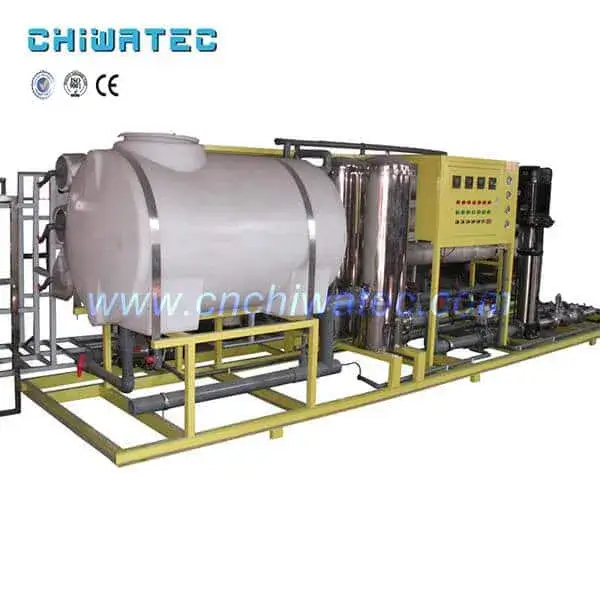
Complete Guide to RO Water Purifier Filter Elements
Stage 1: PPF (Polypropylene) Sediment Filter
The first line of defense in RO water purifier systems:
- Filtration accuracy: 1-5 microns (typically 5μ for residential, 1μ for commercial)
- Function: Removes sediment, rust, suspended solids, sand, and large particles from tap water
- Material: Melt-blown polypropylene fibers with gradient density structure
- Dirt holding capacity: High capacity extends service life; some models allow cleaning and reuse
- Replacement interval: 3-6 months depending on feed water quality
- Pressure drop indicator: Replace when flow rate significantly decreases
Stage 2: UDF (Granular Activated Carbon) Filter
Second stage provides chemical and organic contaminant removal:
- Filter material: Coconut shell granular activated carbon (GAC)
- Chlorine removal: KDF (Kinetic Degradation Fluxion) media removes 90%+ residual chlorine, extending RO membrane life
- Organic adsorption: Removes volatile organic compounds (VOCs), pesticides, herbicides, and industrial solvents
- Odor and color removal: Eliminates unpleasant tastes and odors from municipal water treatment
- Heavy metal reduction: Partial removal of lead, mercury, and cadmium
- Replacement interval: 6-12 months
Stage 3: CTO (Carbon Block) Filter
Third stage provides deep carbon filtration with mechanical filtration:
- Filter material: Compressed activated carbon block with 5-micron outer mesh
- Dual-function filtration: Combines chemical adsorption with physical particle interception
- Deep adsorption: Further removes residual chlorine, halogenated hydrocarbons, and organic substances
- Taste improvement: Significantly enhances water taste and odor profile
- High dirt holding capacity: Mesh structure captures fine particles, protecting RO membrane
- Replacement interval: 6-12 months
Stage 4: RO Reverse Osmosis Membrane
The heart of reverse osmosis water purifier systems—where primary purification occurs:
- Membrane pore size: 0.0001 microns—bacteria must be reduced 4,000×, viruses 200× to pass through
- Contaminant removal: Dissolved salts (95-99%), heavy metals (98-99%), bacteria (99.9%), viruses (99.9%)
- Membrane types: Thin-film composite (TFC) for high rejection; cellulose acetate (CA) for chlorine tolerance
- Membrane sizes: 50 GPD, 75 GPD, 100 GPD, 200 GPD, 400 GPD+ for different flow rate requirements
- Automatic flushing: Programmable rinse cycles prevent membrane fouling and scaling
- Replacement interval: 2-3 years with proper pretreatment
Stage 5: Post-Activated Carbon Filter (T33)
Final polishing stage ensures optimal taste and safety:
- Function: Further removes any residual odor, chlorine, and organic compounds
- Bacteriostatic properties: Silver-impregnated carbon inhibits bacterial growth in storage tank
- Taste enhancement: Final carbon polishing produces clean, crisp-tasting water
- Secondary pollution prevention: Prevents contamination from storage tank or dispensing lines
- Replacement interval: 12 months
Optional Stage 6: UV Disinfection
Additional microbiological protection for critical applications:
- Wavelength: 254 nm UV-C light destroys bacteria and viruses by DNA disruption
- Applications: Recommended for well water, high-bacteria feed water, or immunocompromised households
- Lamp life: 8,000-10,000 hours (approximately 12 months)
- Power consumption: 11-40 watts depending on flow rate
Optional Stage 7: Remineralization Filter
Restores beneficial minerals for improved taste and health:
- Mineral addition: Calcium, magnesium, potassium in controlled amounts
- pH adjustment: Raises pH from 6.0-6.5 to 7.0-7.5 for alkaline water
- Taste improvement: Adds slight mineral character preferred by many consumers
- Health benefits: Provides dietary minerals; reduces water aggressiveness to plumbing
Key Features of Modern Reverse Osmosis Water Purifier Systems
Smart Monitoring and Connectivity
2026 RO water purifier systems feature advanced intelligence:
- TDS monitoring: Real-time display of feed water and purified water TDS levels
- Filter life indicators: LED or digital display showing remaining cartridge life percentage
- Leak detection: Sensors trigger automatic shutoff and smartphone alerts
- WiFi connectivity: Remote monitoring via mobile app with usage analytics
- Automatic flushing: Programmable membrane rinse cycles (every 2-6 hours)
Flow Rate and Capacity Options
- Residential systems: 50-400 GPD (gallons per day) production rate
- Commercial systems: 400-2000+ GPD for offices, restaurants, and institutions
- Storage tank sizes: 3-20 liters for residential; 50-500 liters for commercial
- Dispensing flow rate: 1-3 L/min depending on system pressure and configuration
- Recovery rate optimization: 2:1 to 3:1 pure-to-waste ratio for water conservation
Installation Configurations
- Under-sink systems: Compact design fits beneath kitchen sink; dedicated faucet
- Countertop units: Portable, no plumbing modifications; ideal for renters
- Whole-house systems: Centralized purification for all household water points
- Point-of-use dispensers: Integrated hot/cold/room temperature options
- Commercial skid-mounted: Industrial-grade systems for high-volume applications
Energy Efficiency and Environmental Features
- Energy recovery: Some systems capture pressure from concentrate stream
- Low-pressure operation: Advanced membranes work efficiently at 0.3 MPa
- Zero-waste configurations: Concentrate water redirected to cleaning or irrigation
- Eco-friendly materials: BPA-free plastics, recyclable filter housings
- Standby modes: Automatic power-down during non-use periods
Applications of Reverse Osmosis Water Purifier Systems
Residential Drinking Water
- Kitchen drinking water: Primary application for home RO systems
- Cooking and food preparation: Improved taste in soups, coffee, tea, and baby formula
- Ice makers: Clear, clean-tasting ice without mineral deposits
- Refrigerator dispensers: Integrated water and ice dispensing
Commercial and Office Use
- Office water coolers: Provide clean drinking water for employees
- Restaurants and cafes: Consistent water quality for beverages and cooking
- Hotels: In-room or centralized purified water systems
- Schools and universities: Safe drinking water for students and staff
Healthcare and Laboratories
- Clinics and hospitals: Purified water for medical equipment and patient consumption
- Dental offices: Water for dental units and instrument cleaning
- Laboratories: Feed water for analytical instruments and glassware washing
- Pharmacies: Water for compounding and medication preparation
Industrial Applications
- Boiler feed water: Prevents scaling in heating systems
- Cooling towers: Reduces mineral buildup in heat exchange equipment
- Electronics manufacturing: Ultrapure water for circuit board production
- Food and beverage: Ingredient water for consistent product quality
Maintenance and Filter Replacement Guide
Recommended Filter Replacement Schedule
| Filter Stage | Filter Type | Replacement Interval | Replacement Indicators |
|---|---|---|---|
| Stage 1 | PPF Sediment | 3-6 months | Flow reduction, discoloration |
| Stage 2 | UDF Carbon | 6-12 months | Chlorine taste/odor returns |
| Stage 3 | CTO Carbon Block | 6-12 months | Taste degradation |
| Stage 4 | RO Membrane | 2-3 years | TDS rejection <90%, flow decline |
| Stage 5 | Post-Carbon (T33) | 12 months | Taste/odor changes |
| Stage 6 | UV Lamp | 12 months | 8,000 hours or intensity alert |
| Stage 7 | Remineralization | 12 months | pH drops below 7.0 |
System Sanitization and Cleaning
- Frequency: Annually or after filter replacements
- Storage tank cleaning: Drain and sanitize with food-grade hydrogen peroxide solution
- Faucet and tubing: Flush with sanitizing solution to prevent biofilm buildup
- Membrane housing: Inspect and clean during membrane replacement
- Post-sanitization rinse: Flush system with 2-3 tank volumes before use
Troubleshooting Common Issues
- Low water production: Check feed pressure, replace clogged prefilters, inspect membrane
- High TDS in product water: Replace RO membrane, check O-ring seals, verify system pressure
- Unusual taste or odor: Replace post-carbon filter, sanitize storage tank
- System running continuously: Check for leaks, faulty shutoff valve, or tank pressure issues
- Noise during operation: Inspect pump, check for air in system, verify proper installation
Selection Criteria for RO Water Purifier Systems
Feed Water Quality Assessment
- TDS testing: Measure total dissolved solids (ideal range: 100-500 ppm for RO)
- Hardness: High hardness (>150 ppm) may require water softener pretreatment
- Chlorine levels: Ensure adequate carbon pretreatment for membrane protection
- Iron and manganese: High levels need specialized pretreatment to prevent membrane fouling
Capacity and Flow Rate Requirements
- Daily consumption: Calculate based on household/office size (2-4 L/person/day)
- Peak demand: Ensure system can meet maximum usage periods
- Storage capacity: 2-4 hours of average demand provides adequate buffer
- Future growth: Plan for 20% capacity increase over system lifetime
Certification and Compliance
- NSF/ANSI 58: Standard for reverse osmosis drinking water treatment systems
- NSF/ANSI 42: Aesthetic effects (chlorine, taste, odor, particles)
- WQA Gold Seal: Independent certification of performance claims
- FDA compliance: Food-contact materials must meet FDA regulations
- CE marking: European conformity for electrical safety and EMC
Total Cost of Ownership
- Initial purchase: System cost varies by capacity and features ($200-$2,000+)
- Annual filter costs: $100-$300 depending on system complexity
- Membrane replacement: $100-$300 every 2-3 years
- Water waste: Factor in concentrate water volume and local utility costs
- Energy consumption: Pump electricity usage (typically 50-150 watts)
Latest Innovations in RO Water Purification (2026)
Advanced Membrane Technology
New membrane materials enhance reverse osmosis water purifier performance:
- Graphene oxide membranes: Higher flux rates with same rejection; 30% energy savings
- Biomimetic membranes: Aquaporin-based technology for selective water transport
- Antifouling coatings: Reduce membrane cleaning frequency and extend lifespan
- High-rejection membranes: 99.5%+ salt rejection for challenging feed water
Smart Home Integration
- Voice control: Alexa and Google Assistant integration for status queries
- Automated ordering: Filters automatically ordered when replacement due
- Usage analytics: Track consumption patterns and identify optimization opportunities
- Remote diagnostics: Service technicians can troubleshoot without on-site visits
Water Conservation Technologies
- Permeate pump technology: Uses hydraulic pressure instead of electricity; 50% less wastewater
- Concentrate recycling: Second-pass RO recovers additional pure water from waste stream
- Zero-waste systems: All feed water converted to usable water (pure + concentrated for cleaning)
- Smart recovery adjustment: Automatically optimizes recovery rate based on feed water quality
Conclusion
Reverse osmosis water purifier systems provide reliable, high-quality drinking water for homes, businesses, and institutions worldwide. From basic 5-stage residential units to advanced commercial systems with smart monitoring, RO water purifiers deliver consistent purification by removing 95-99% of contaminants including dissolved salts, heavy metals, bacteria, and viruses.
CHIWATEC offers comprehensive reverse osmosis water purifier systems engineered for performance, efficiency, and longevity. Our solutions combine proven RO technology with intelligent features, quality filter elements, and user-friendly operation—ensuring you receive the clean, great-tasting water your family or business deserves.
Contact CHIWATEC today for a free consultation on selecting the optimal RO water purification system for your specific water quality, capacity requirements, and budget.
FAQ: Reverse Osmosis Water Purifier Systems
1. How often should I replace RO membrane?
RO membranes typically last 2-3 years with proper pretreatment and maintenance. Monitor TDS rejection rate—when it drops below 90% or production flow significantly decreases, replacement is needed. Regular prefiter replacement extends membrane life.
2. Is reverse osmosis water safe to drink?
Yes, reverse osmosis water is safe and often healthier than tap water. RO removes harmful contaminants while retaining water’s essential properties. Some systems include remineralization filters to add beneficial calcium and magnesium back for improved taste and health benefits.
3. How much wastewater does RO system produce?
Traditional RO systems produce 2-4 liters of concentrate per 1 liter of purified water. Modern systems with permeate pumps achieve 1:1 or better ratios. Zero-waste configurations redirect concentrate for cleaning or irrigation, eliminating water waste entirely.
4. Can I install RO system myself?
Many residential RO water purifier systems are designed for DIY installation with basic plumbing skills. Under-sink models typically connect to cold water line and include all necessary fittings. However, professional installation is recommended for whole-house or commercial systems.
5. Does RO remove beneficial minerals from water?
Yes, RO removes most dissolved minerals including calcium and magnesium. However, these minerals are primarily obtained from food, not water. Many systems now include remineralization filters to add beneficial minerals back for improved taste and pH balance.
Further Reading
Do you have a water treatment project we can help with
* Designing,machining,installing,commissioning, customize and one-stop service






 English
  Spanish
  Portuguese




