Electroplating Wastewater Treatment Technologies: Membrane Separation, Ion Exchange, and Biological Methods (Part 3) 2026
Chemical precipitation (Part 1) and advanced physical-chemical methods (Part 2) are effective for most electroplating wastewater streams, but some applications require membrane filtration, ion exchange polishing, or biological treatment to achieve the lowest discharge limits, recover high-purity water, or treat complex organic-metal mixtures. Electroplating wastewater membrane and biological treatment covers membrane separation technologies (electrodialysis, reverse osmosis, ultrafiltration), ion exchange with resins and natural zeolites, and biological methods including microbial flocculation, biosorption, and biochemical reduction. This guide explains how these technologies work, their advantages and limitations, and where they fit in a complete treatment strategy. CHIWATEC provides integrated electroplating wastewater treatment solutions combining membrane, ion exchange, and biological processes for comprehensive heavy metal removal and water reuse.
Electroplating Wastewater Membrane and Biological Treatment: Emerging Methods Overview
Electroplating wastewater membrane and biological treatment technologies offer solutions where conventional chemical methods fall short. Membrane processes produce high-quality effluent suitable for water reuse. Ion exchange selectively removes trace metals and enables closed-loop operation. Biological treatment methods leverage microorganisms and natural adsorbents for cost-effective metal removal at lower chemical consumption. The optimal treatment train often combines chemical precipitation (bulk removal), membrane separation (polishing), and ion exchange (final polishing and metal recovery) with biological treatment as a sustainable polishing step for specific waste streams.
Membrane Separation Technology for Electroplating Wastewater
Membrane separation uses selective polymer membranes to separate contaminants from water based on particle size, charge, or solubility. Four membrane processes are relevant to electroplating wastewater treatment:
| Membrane Process | Driving Force | Pore Size / Cutoff | Key Application in Electroplating |
| Electrodialysis (ED) | Electric potential | Ion-selective membranes | Recovery of Cu²⁺, Ni²⁺, Zn²⁺, Cr⁶⁺ — composition unchanged, suitable for bath return |
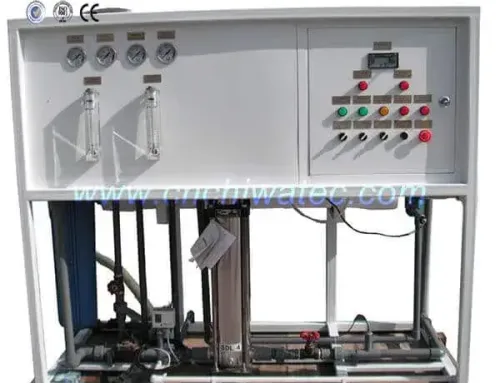
| Reverse Osmosis (RO) | Hydraulic pressure (10-60 bar) | ~0.1 nm (rejects almost all ions) | Zn, Ni, Cr rinsing water; mixed heavy metal wastewater — treated water reusable in closed loop |
| Ultrafiltration (UF) | Hydraulic pressure (1-5 bar) | 0.01-0.1 μm | Pre-treatment before RO; removal of suspended metals and colloids |
| Membrane extraction | Concentration gradient + membrane | Liquid membrane / SLM | Selective metal extraction — efficient, no secondary pollution |
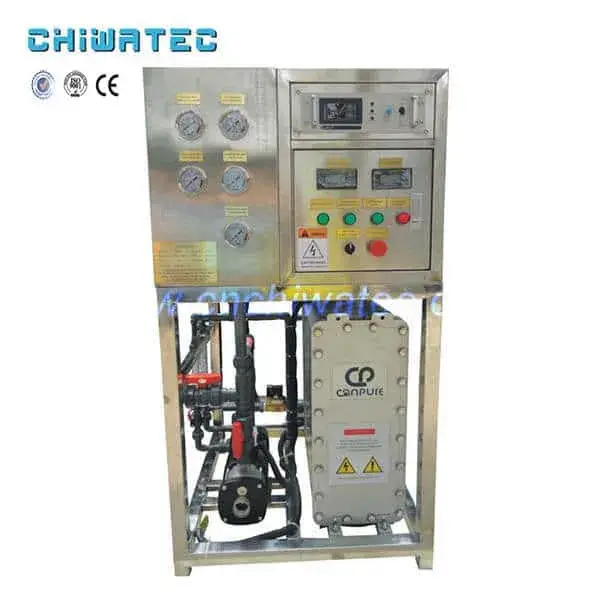
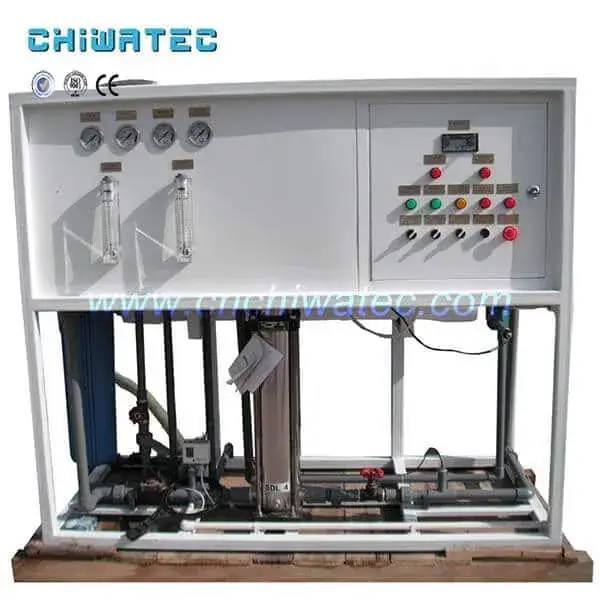
Electrodialysis has mature complete equipment systems and is particularly suitable for treating rinse water with recoverable metal ions. Reverse osmosis has been deployed on a large scale for treating zinc, nickel, and chromium rinse waters as well as mixed heavy metal wastewater — the treated water quality is high enough for direct reuse in the plating line, enabling a closed-loop system that reduces both water consumption and discharge. Liquid membrane technology has progressed from basic research to preliminary industrial application in some fields, offering highly selective metal extraction. Membrane extraction technology continues to advance as an efficient, zero-secondary-pollution separation technology for metal recovery.
Ion Exchange Treatment Method for Heavy Metal Removal
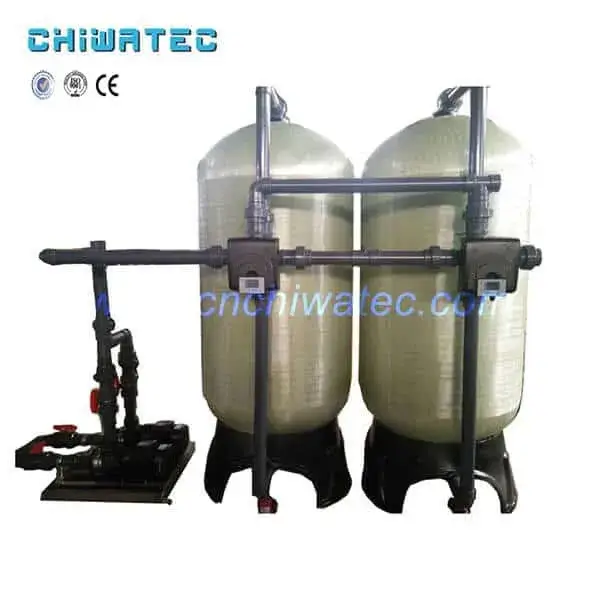
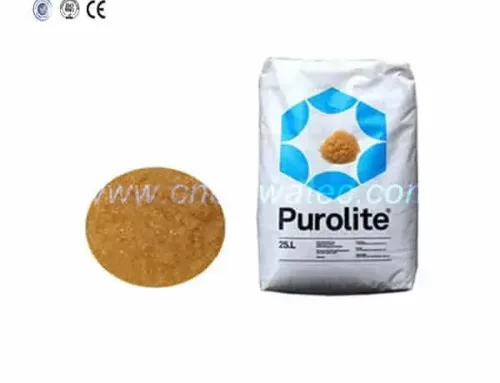
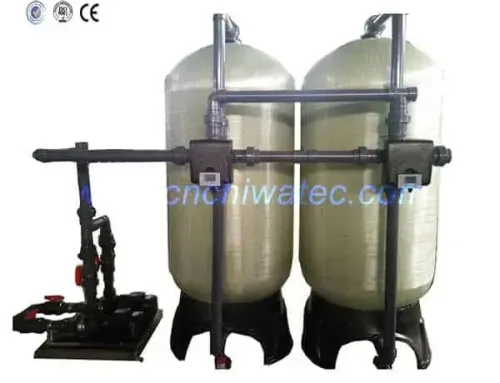
Ion exchange uses solid exchangers — including synthetic ion exchange resins, natural zeolites, and modified clays — to remove heavy metal ions from wastewater by exchanging them with harmless ions (typically Na⁺ or H⁺) bound to the exchanger.
| Exchanger Type | Structure | Advantages | Limitations |
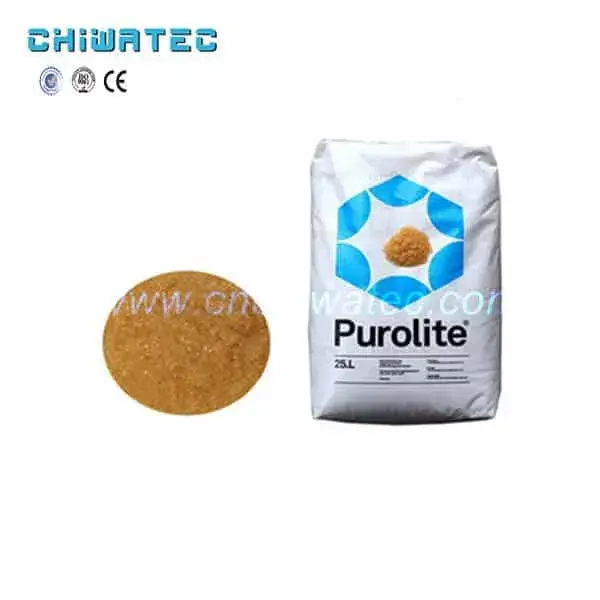
| Gel-type ion exchange resin | Homogeneous polymer matrix | High exchange capacity, selective | Susceptible to fouling by organic matter |
| Macroporous ion exchange resin | Heterogeneous with permanent pores | Fouling-resistant, handles larger molecules | Complex manufacturing, higher cost, high regenerant consumption |
| Natural zeolite | Aluminosilicate mineral with cage structure | Low cost, large specific surface area, dual adsorption + ion exchange | Lower capacity than synthetic resins; requires NaCl pre-treatment for best performance |
| Modified bentonite (montmorillonite) | Layered clay mineral | Good water swellability, high surface area, strong adsorption + ion exchange | Difficult to regenerate |
Ion exchange achieves metal removal through a two-step process: first, metal ions are attracted to and adsorbed on the exchanger surface; then, they displace the exchanger’s original counter-ions. The driving force is the concentration difference between the solution and the exchanger surface combined with the affinity of the exchanger’s functional groups for specific metal ions.
Natural zeolite deserves special attention for electroplating wastewater treatment. Zeolite is an aluminosilicate mineral with a three-dimensional cage structure containing interconnected pores that give it a large specific surface area. Studies show that zeolite removes heavy metal ions through the dual action of adsorption and ion exchange — at higher flow rates, ion exchange becomes the dominant mechanism. Pre-treating natural zeolite with NaCl solution significantly improves both adsorption and ion exchange capacity. Through repeated adsorption-ion exchange-regeneration cycles, the concentration of heavy metal ions in the wastewater can be concentrated and increased by up to 30 times. In copper removal applications using NaCl regeneration, the removal rate exceeds 97% and remains stable through multiple regeneration cycles.
Biological Flocculation for Electroplating Wastewater
Biological flocculation uses microorganisms or their metabolic byproducts to aggregate and precipitate heavy metal ions from solution. Microbial flocculants are high-molecular-weight substances (polysaccharides, proteins, DNA, glycoproteins, polyamino acids) secreted by bacteria, fungi, and algae during growth. These molecules contain amino, hydroxyl, and carboxyl functional groups that can:
- Adsorb heavy metal ions onto the flocculant surface through electrostatic attraction and complexation
- Bridge between suspended particles, forming larger, settleable flocs
- Chelate metal ions such as Cu²⁺, Hg²⁺, Ag⁺, and Au²⁺ into stable complexes that precipitate from solution
Up to a dozen heavy metal types have been successfully treated with biological flocculation. The method offers several advantages: safe operation, non-toxic reagents, no secondary pollution, good flocculation effect, rapid microbial growth, and easy industrialization. Furthermore, microorganisms can be genetically engineered, domesticated, or constructed into strains with enhanced metal-binding capabilities for specific wastewater compositions. This makes microbial flocculation a promising technology with broad application prospects in the electroplating industry.
Biosorption Method for Metal Ion Removal
Biosorption uses the chemical structure and composition characteristics of biological materials (living or dead biomass) to adsorb metal ions from aqueous solution. The metal-loaded biomass is then separated from the treated water through solid-liquid phase separation. Some bacteria release extracellular polymers (proteins) during growth that can convert soluble heavy metal ions into insoluble precipitates.
Key advantages of biosorption for electroplating wastewater membrane and biological treatment:
- Wide source of materials — bacteria, fungi, algae, agricultural waste, and industrial byproducts can serve as biosorbents
- Low cost — biosorbents are significantly cheaper than synthetic ion exchange resins or activated carbon
- High adsorption capacity — biomass can achieve metal loadings of 10-500 mg/g under optimized conditions
- Easy metal recovery — adsorbed metals can be desorbed with small volumes of acid, producing concentrated metal solutions for recovery
- Effective at low concentrations — biosorption performs well in the 1-100 mg/L range where chemical precipitation is inefficient
The main limitation is that biosorption performance depends on pH, temperature, biomass concentration, and the presence of competing ions. Industrial-scale application requires careful optimization and may involve multiple stages for complete metal removal.
Biochemical Method: Sulfate Reduction and Microbial Treatment
The biochemical method uses microorganisms to convert soluble heavy metal ions into insoluble compounds and remove them from wastewater. The most established approach is the sulfate biological reduction method.
Process mechanism: Under anaerobic conditions, sulfate-reducing bacteria (SRB) reduce sulfate (SO₄²⁻) to hydrogen sulfide (H₂S) through dissimilatory sulfate reduction. The H₂S reacts with heavy metal ions in the wastewater to form highly insoluble metal sulfides: M²⁺ + S²⁻ → MS↓. At the same time, sulfate reduction consumes acidity, raising the pH of the wastewater — which further promotes heavy metal hydroxide precipitation for metals with low hydroxide solubility products.
Real-world performance data:
- Hexavalent chromium (Cr⁶⁺) at 30-40 mg/L concentration: 99.67%-99.97% removal rate using biochemical methods [11]
- Copper ions in electroplating wastewater (246.8 mg/L Cu²⁺, pH 4.0): 99.12% removal rate using Enterobacter desulfurization (SRV) — Zhao Xiaohong et al. [12]
- Livestock manure anaerobic digestion sludge: Effective treatment of heavy metal ions in acid mine drainage
The biochemical method is particularly attractive because it operates at ambient temperature and pressure, consumes minimal chemicals, and produces a stable metal sulfide sludge that is less leachable than hydroxide sludge. However, it requires careful control of anaerobic conditions, has slower reaction kinetics than chemical methods, and the microorganisms are sensitive to toxic shock from high metal concentrations or extreme pH.
Comparison of Treatment Technologies
| Technology | Best Application | Water Reuse Potential | Operating Cost | Maturity |
| Electrodialysis | Rinse water recovery, bath concentration | Excellent — composition unchanged | Medium (electricity) | Mature — complete systems available |
| Reverse Osmosis | Rinse water, mixed heavy metal wastewater | Excellent — closed loop possible | Medium-High (pressure) | Mature — large-scale deployment |
| Ion Exchange (synthetic resins) | Polishing, trace metal removal, metal recovery | Excellent | Medium (regenerant) | Mature |
| Ion Exchange (natural zeolite) | Low-cost treatment, Cu/Ni removal | Good | Low | Proven |
| Biological flocculation | Complex waste streams, low metal concentrations | Limited | Low | Emerging — promising lab results |
| Biochemical (SRB) | Acid mine drainage, Cr/Ni wastewater | Limited | Low | Proven for specific streams |
Frequently Asked Questions
Can reverse osmosis treat electroplating wastewater for reuse?
Yes. Reverse osmosis has been deployed on a large scale for treating zinc, nickel, and chromium rinse waters. The treated water quality meets or exceeds the requirements for plating line reuse, enabling a closed-loop system that significantly reduces both freshwater consumption and wastewater discharge. RO is most effective when preceded by appropriate pre-treatment to remove suspended solids and adjust pH.
What is the difference between gel-type and macroporous ion exchange resins?
Gel-type resins have a homogeneous polymer structure with high exchange capacity and good selectivity but are susceptible to fouling by organic matter. Macroporous resins have permanent pores that resist fouling and can handle larger molecules, but they cost more to manufacture and consume more regenerant. For electroplating wastewater, gel-type resins are often preferred for clean metal solutions, while macroporous resins are used for waste streams with higher organic content.
How effective is natural zeolite for heavy metal removal?
Natural zeolite is highly effective for copper, nickel, and chromium removal from electroplating wastewater. After NaCl pre-treatment, zeolite can achieve over 97% copper removal and maintain performance through multiple regeneration cycles. The zeolite process can concentrate heavy metals by up to 30 times through adsorption-ion exchange-regeneration cycling, making it a cost-effective alternative to synthetic resins for specific applications.
Is biological treatment suitable for electroplating wastewater?
Biological treatment is most effective for electroplating wastewater with moderate heavy metal concentrations (under 100 mg/L) and neutral-to-slightly-alkaline pH. It is particularly suitable for organic-metal mixtures and as a polishing step after chemical precipitation. High metal concentrations, extreme pH, and toxic cyanides can inhibit microbial activity. Biochemical methods using sulfate-reducing bacteria have demonstrated over 99% removal for chromium and copper in controlled applications.
Which Part 3 method gives the best water quality for reuse?
Reverse osmosis produces the highest quality effluent for electroplating water reuse, capable of meeting the stringent purity requirements for plating bath make-up water. Electrodialysis is second best and has the advantage of leaving the wastewater composition unchanged, making the concentrate directly returnable to the plating bath. Ion exchange with mixed-bed resins also produces ultrapure water suitable for critical rinse applications. For non-reuse applications where cost is the primary concern, biological treatment or natural zeolite ion exchange offers the lowest operating cost.
Conclusion & Call to Action
Electroplating wastewater membrane and biological treatment technologies provide powerful options for facilities that need to achieve the lowest discharge limits, recover water for reuse, or treat complex waste streams. Membrane processes (electrodialysis, RO, UF) deliver the highest water quality for closed-loop operation. Ion exchange with synthetic resins or natural zeolites provides selective metal removal and concentration. Biological methods (flocculation, biosorption, biochemical reduction) offer low-cost, sustainable treatment for appropriate waste streams. The optimal solution for any facility depends on the specific wastewater composition, discharge standards, water reuse goals, and budget.
Need a complete electroplating wastewater membrane and biological treatment system? Contact CHIWATEC for professional engineering support. Email us at [email protected] or [email protected] for a customized wastewater treatment system design tailored to your facility.
Related Resources and Further Reading
Do you have a water treatment project we can help with
* Designing,machining,installing,commissioning, customize and one-stop service
 English
  Spanish
  Portuguese