Coconut Shell Activated Carbon Applications: Water, Air, and Gas Treatment Guide 2026
Coconut shell activated carbon is widely regarded as the highest quality activated carbon in the industry due to its developed specific surface area, rich micropore structure, and extremely low ash content. Understanding the full range of coconut shell activated carbon applications — from drinking water purification and decolorization to industrial waste gas treatment and air purification — is essential for selecting the right carbon grade for your treatment objectives. CHIWATEC supplies certified coconut shell activated carbon with iodine values of 900–1,100 mg/g and hardness exceeding 95% for municipal and industrial applications.
Coconut Shell Activated Carbon Applications in Water Purification
The principal coconut shell activated carbon applications in water and liquid treatment include:
- Drinking water purification: Removal of chlorine, chloramines, organic contaminants, taste, and odor compounds. Coconut shell AC achieves 99%+ chlorine removal at contact times of 5–10 minutes.
- Decolorization: Effective removal of color bodies from sugar syrups, edible oils, wine, and beverages. The microporous structure preferentially adsorbs large pigment molecules.
- Industrial wastewater treatment: Adsorption of organic pollutants, phenols, dyes, and residual pharmaceuticals from industrial effluent streams.
- Dechlorination and deodorization: Catalytic reduction of residual chlorine and adsorption of odorous sulfur and nitrogen compounds in drinking water and process water.
The adsorption efficiency and capacity of coconut shell activated carbon are significantly higher than coal-based or wood-based alternatives for these applications due to its higher micropore volume (0.40–0.55 cm³/g) and lower ash content (<3%). It is also safe, non-toxic, and produces no secondary contamination during operation.
Waste Gas Treatment with Coconut Shell Activated Carbon
Gas-phase adsorption is one of the most important coconut shell activated carbon applications, leveraging the material’s excellent affinity for volatile organic compounds (VOCs), odorous gases, and corrosive vapors. Granular coconut shell activated carbon is the standard medium for fixed-bed, moving-bed, and fluidized-bed gas adsorption systems. Key gas treatment applications include:
- Industrial exhaust gas purification: Chemical plants, leather factories, paint facilities, and solvent-using industries discharge VOCs, organic sulfides, hydrocarbons, chlorine, mercury vapor, and other hazardous gases. Coconut shell AC removes these contaminants before atmospheric release, meeting emission compliance standards.
- Indoor air quality control: Enclosed spaces such as instrument rooms, air-conditioned buildings, basements, and submarine facilities accumulate body odors, smoking residues, cooking fumes, and corrosive gases from human activity. Coconut shell AC adsorbs these impurities, protecting sensitive instruments and maintaining a healthy breathing environment.
- Radioactive gas adsorption: Nuclear power facilities release trace quantities of radioactive krypton, xenon, and iodine isotopes. Specially treated coconut shell activated carbon is used in off-gas treatment systems to capture these radioactive species before discharge.
- Flue gas desulfurization: Coal and heavy oil combustion produces sulfur dioxide (SO₂) and nitrogen oxides (NOx) that contribute to acid rain. Coconut shell AC adsorbs these acidic gases, often with enhanced performance through impregnation with alkaline chemicals.
Specialty Applications: Gas Masks, Filters, and Automotive Systems
Beyond large-scale industrial systems, coconut shell activated carbon serves critical roles in personal protection and consumer products:
- Gas masks and respirators: Military and industrial gas masks use coconut shell AC impregnated with specific chemicals to remove toxic battlefield gases, industrial solvents, and chemical warfare agents.
- Refrigerator deodorizers: Compact coconut shell AC packs absorb food odors and ethylene gas, extending the freshness of stored produce.
- Automotive emission control: Activated carbon canisters in vehicle fuel systems capture gasoline vapors during refueling and diurnal temperature changes, preventing evaporative emissions.
- Cigarette filter tips: Adding 100–120 mg of coconut shell activated carbon to filter tips removes a significant portion of tar, nicotine, and other harmful smoke components.
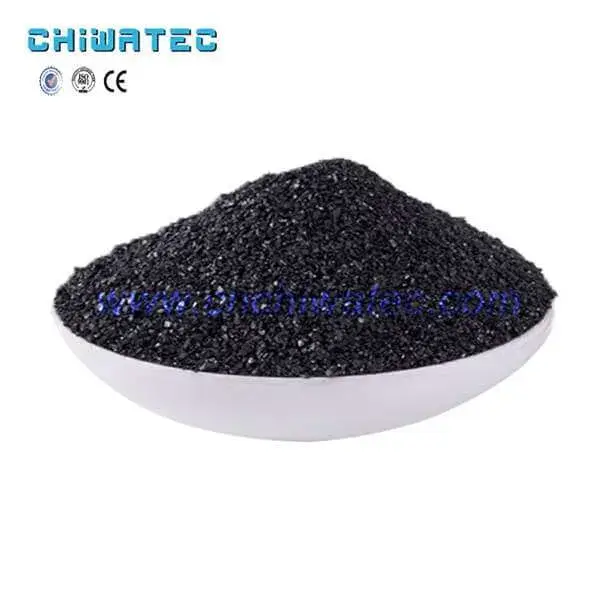
Key Properties That Enable Diverse Coconut Shell AC Applications
| Property | Value | Why It Matters |
|---|---|---|
| Specific surface area (BET) | 800–1,200 m²/g | Provides abundant active sites for molecular adsorption |
| Micropore volume | 0.40–0.55 cm³/g | Higher than coal-based carbon; ideal for small-molecule adsorption |
| Hardness | 95–99% | Minimal attrition during backwashing and pneumatic transport |
| Ash content | <3% | Higher purity; suitable for drinking water and food contact |
| Iodine value | 900–1,100 mg/g | Industry benchmark for adsorption capacity |
These properties make coconut shell activated carbon the preferred choice for applications requiring high purity, mechanical durability, and consistent adsorption performance over long service cycles.
Frequently Asked Questions (FAQ)
Is coconut shell activated carbon better than coal-based activated carbon?
For most water and gas-phase applications, yes. Coconut shell AC has higher micropore volume, lower ash content, and greater hardness than coal-based carbon. However, coal-based carbon has more developed mesopores and may be preferred for applications involving larger molecules or color removal.
What is the typical service life of coconut shell activated carbon in water treatment?
In drinking water applications, coconut shell AC typically lasts 6–18 months depending on flow rate, contaminant loading, and regeneration frequency. Gas-phase applications may last 2–4 years with proper maintenance and periodic reactivation.
Can coconut shell activated carbon be regenerated?
Yes. Thermal reactivation at 800–900°C in a controlled atmosphere restores 80–95% of the original adsorption capacity. Chemical regeneration with steam or alkaline solutions is also possible for specific contaminants. Regenerated coconut shell AC costs 40–60% less than virgin material.
What mesh size is used for gas-phase coconut shell activated carbon?
Gas-phase adsorption typically uses 4×8 mesh or 4×10 mesh granular coconut shell AC to balance pressure drop with adsorption kinetics. Smaller mesh sizes (8×30) are used for liquid-phase applications where longer contact time is available.
Does coconut shell activated carbon remove formaldehyde?
Yes. Modified coconut shell activated carbon (chemically impregnated or heat-treated) effectively adsorbs formaldehyde, benzene, toluene, ammonia, TVOCs, and other indoor air pollutants. Removal efficiency of 85–95% is achievable with adequate contact time and carbon bed depth.
Conclusion & Call to Action
Coconut shell activated carbon serves the widest range of applications among all activated carbon types — from drinking water purification and industrial wastewater treatment to gas-phase adsorption in exhaust systems, nuclear facilities, and personal protective equipment. Its high micropore volume, exceptional hardness, and low ash content provide consistent performance across diverse operating conditions. For high-purity coconut shell activated carbon products tailored to your specific coconut shell activated carbon applications, contact the CHIWATEC team at [email protected] or [email protected].
Related Resources and Further Reading
- How to Distinguish Coconut Shell Activated Carbon
- Activated Carbon Quality Specifications
- The Application of Coconut Shell Activated Carbon in Waste Gas Treatment
- Activated Carbon Rod Types: 3 Key Classifications for Water Purifier Filter Elements
- Activated Carbon Filter Products — CHIWATEC Product Line
Do you have a water treatment project we can help with
* Designing,machining,installing,commissioning, customize and one-stop service
 English
  Spanish
  Portuguese