Industrial Reverse Osmosis Pure Water Equipment: Applications & Benefits Guide 2026
Industrial reverse osmosis pure water equipment represents the most advanced membrane separation technology for water purification, utilizing semi-permeable membranes to remove 95-99% of dissolved solids, ions, organic matter, microorganisms, and pyrogens. This comprehensive guide explores the working principles, technical specifications, and diverse applications of RO water treatment systems across electronics, pharmaceuticals, food & beverage, chemical, and metallurgical industries. Learn how reverse osmosis technology provides superior efficiency and economy compared to traditional distillation and ion exchange methods in 2026.
1. What Is Industrial Reverse Osmosis Technology?
Reverse osmosis (RO) is a pressure-driven membrane separation process that forces water through a semi-permeable membrane while rejecting dissolved contaminants. As one of the most advanced membrane separation technologies available, industrial RO systems deliver consistent, high-purity water for critical applications.
1.1 How Reverse Osmosis Works
The RO process operates on fundamental principles of osmotic pressure:
- Natural osmosis: Water naturally flows from low-concentration to high-concentration solution through a semi-permeable membrane
- Reverse osmosis: Applied pressure exceeds osmotic pressure, forcing water in the opposite direction
- Separation: Water molecules pass through membrane pores (0.0001 micron), while contaminants are rejected
- Two streams: Purified water (permeate) and concentrated waste (brine/concentrate)
1.2 What RO Membranes Remove
Industrial reverse osmosis membranes effectively remove:
- Dissolved ions: Calcium, magnesium, sodium, chloride, sulfate (95-99% removal)
- Inorganic substances: Heavy metals, nitrates, fluorides, arsenic
- Colloidal silicon: Silica and silicates that cause scaling
- Organic matter: Pesticides, herbicides, VOCs, pharmaceutical residues (molecular weight >100-200 Daltons)
- Microorganisms: Bacteria, viruses, protozoa, cysts (99.9%+ removal)
- Pyrogens: 100% of heat sources (endotoxins) critical for pharmaceutical applications
1.3 Advantages Over Traditional Methods
Compared to distillation and ion exchange, reverse osmosis offers:
- Higher efficiency: Lower energy consumption than thermal distillation
- Better economy: Reduced operating costs and minimal chemical usage
- Continuous operation: No regeneration downtime like ion exchange
- Compact footprint: Smaller space requirements than equivalent capacity systems
- Environmental benefits: No chemical discharge, reduced wastewater
According to the 2025 Global Water Technology Report, reverse osmosis accounts for 65% of new industrial water treatment installations worldwide, driven by superior performance and declining membrane costs.
2. Inlet Water Quality Requirements for RO Systems
Proper feedwater quality is critical for optimal RO membrane performance and longevity. Industrial reverse osmosis equipment requires specific inlet water parameters:
2.1 Feedwater Quality Index
| Parameter | Standard Requirement | Optimal Range |
|---|---|---|
| Total Silicon | <5 mg/L | <2 mg/L |
| Dissolved Iron (Fe) | <0.1 mg/L | <0.05 mg/L |
| SDI Value (Silt Density Index) | <5 | <3 |
| Residual Chlorine | <0.1 mg/L | 0 mg/L |
| pH Value | 4-11 | 6.5-7.5 |
| Inlet Water Temperature | 4-35°C | 15-25°C |
| Concentrate Side LSI | <1.8 | <0.5 |
2.2 Pretreatment Requirements
Adequate pretreatment protects RO membranes from fouling and damage:
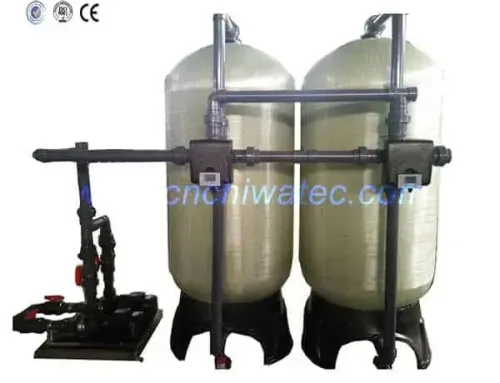
- Multimedia filtration: Removes suspended solids, turbidity, and particulates
- Activated carbon: Adsorbs chlorine, organics, and improves taste/odor
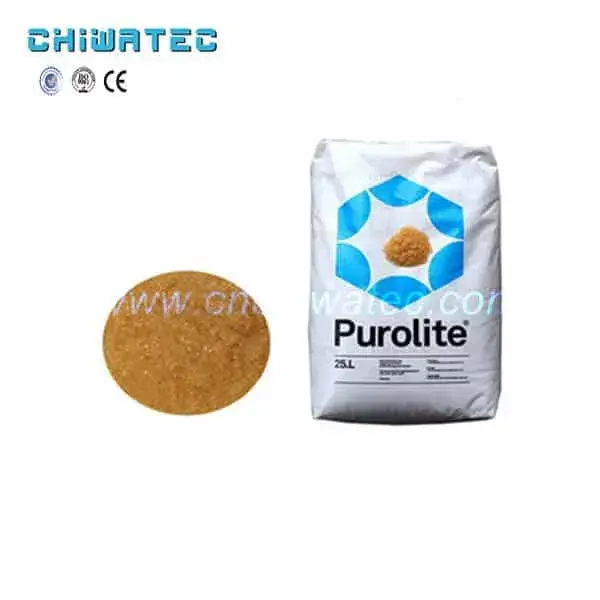
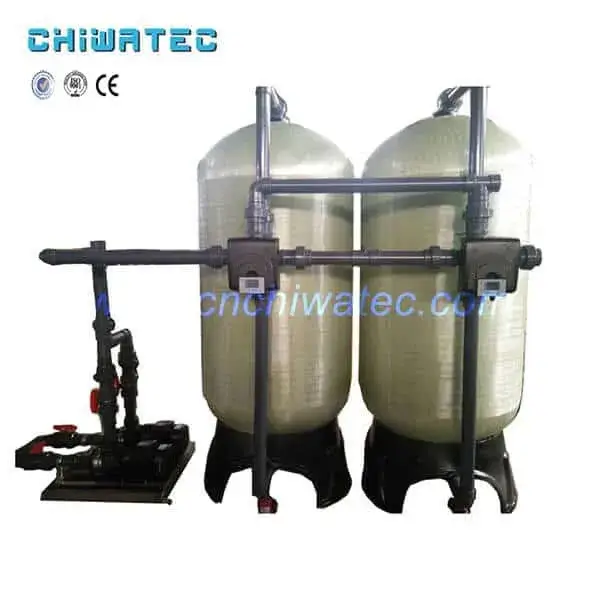
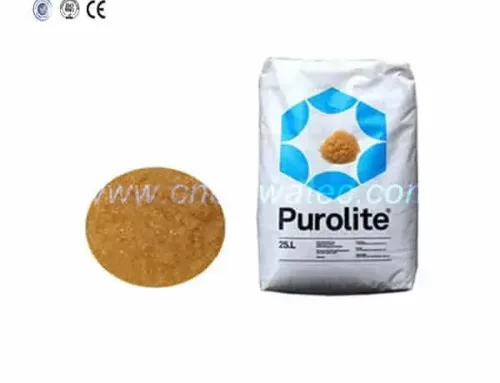
- Water softening: Ion exchange removes hardness (calcium/magnesium) to prevent scaling
- Antiscalant dosing: Chemical inhibition prevents mineral precipitation
- UV disinfection: Inactivates microorganisms before membrane contact
- Cartridge filtration: 5-micron final filtration before high-pressure pump
2.3 Consequences of Poor Feedwater Quality
- Membrane fouling: Reduced flux, increased pressure, frequent cleaning
- Scaling: Irreversible mineral deposits permanently damage membranes
- Oxidation damage: Chlorine exposure degrades polyamide membrane material
- Biofouling: Bacterial growth forms biofilm, reducing performance
- Shortened lifespan: Membranes require premature replacement (2-3 years vs. 5-7 years)
3. Main Technical Parameters of Industrial RO Equipment
3.1 Standard Model Specifications
| Model | Water Production (m³/h) | Working Pressure (MPa) | Recovery Rate (%) | Desalination Rate (%) |
|---|---|---|---|---|
| FS-0.5 | 0.5 | 1.6-2.5 | 35-50 | 95-98 |
| FS-1.0 | 1.0 | 1.6-2.5 | 50-60 | 95-98 |
| FS-2.0 | 2.0 | 1.6-2.5 | 60-75 | 95-98 |
| FS-4.0 | 4.0 | 1.6-2.5 | 65-75 | 95-98 |
| FS-6.0 | 6.0 | 1.6-2.5 | 70-75 | 95-98 |
| FS-8.0 | 8.0 | 1.6-2.5 | 70-75 | 95-98 |
| FS-10.0 | 10.0 | 1.6-2.5 | 70-75 | 95-98 |
| Custom Large Scale | 20-500+ m³/h | 2.5-4.0 | 75-85 | 97-99.5 |
3.2 Key Performance Indicators
- Water production capacity: Ranges from 0.5 m³/h (small lab) to 500+ m³/h (industrial plants)
- Operating pressure: 1.6-2.5 MPa for brackish water, 4.0-8.0 MPa for seawater
- Recovery rate: 35-85% depending on feedwater quality and system configuration
- Desalination rate: 95-99.5% for standard RO, 99.7%+ for ultra-low TDS applications
- Power consumption: 0.5-3 kWh per m³ of product water
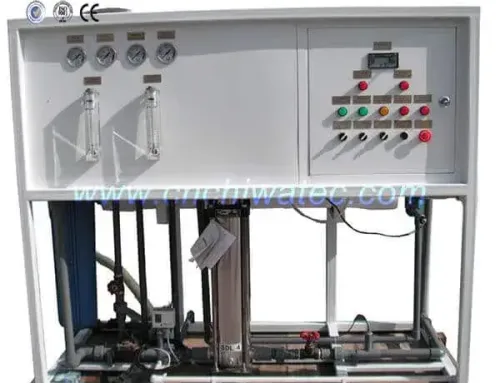
3.3 System Components
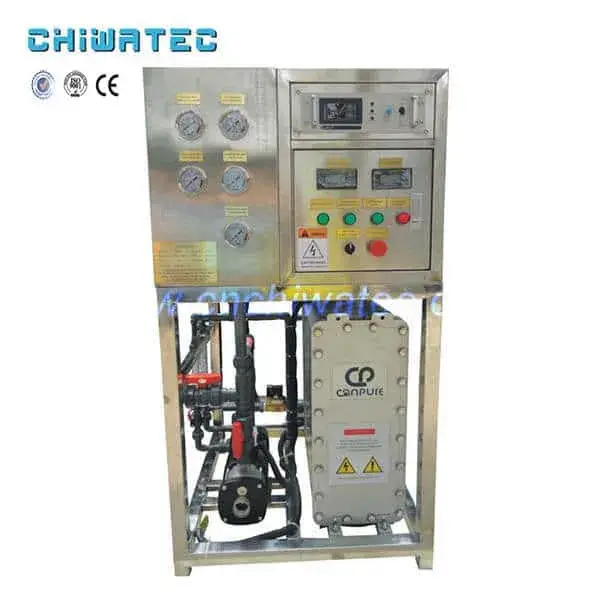
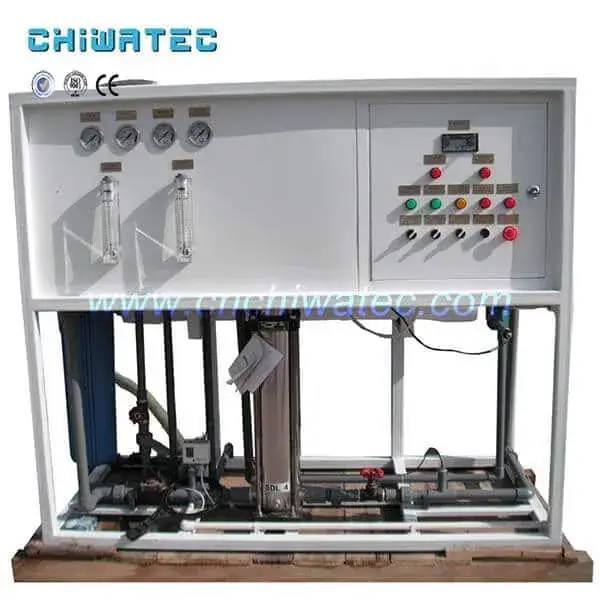
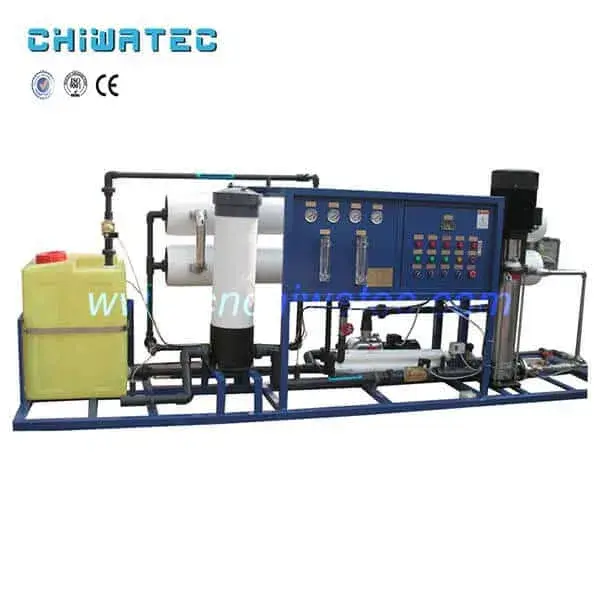
- Pretreatment skid: Multimedia filter, carbon filter, softener, cartridge filter
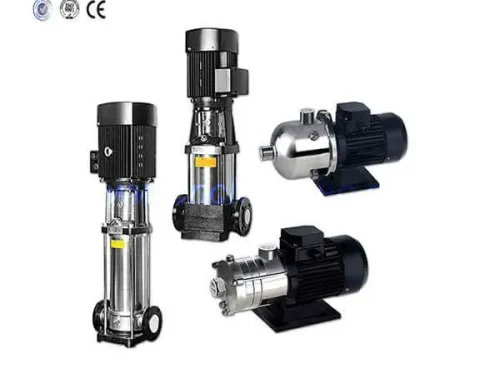
- High-pressure pump: Stainless steel multistage centrifugal pump
- RO membrane housing: FRP or stainless steel pressure vessels
- RO membranes: Thin-film composite (TFC) spiral-wound elements
- Control panel: PLC-based automation with touch screen HMI
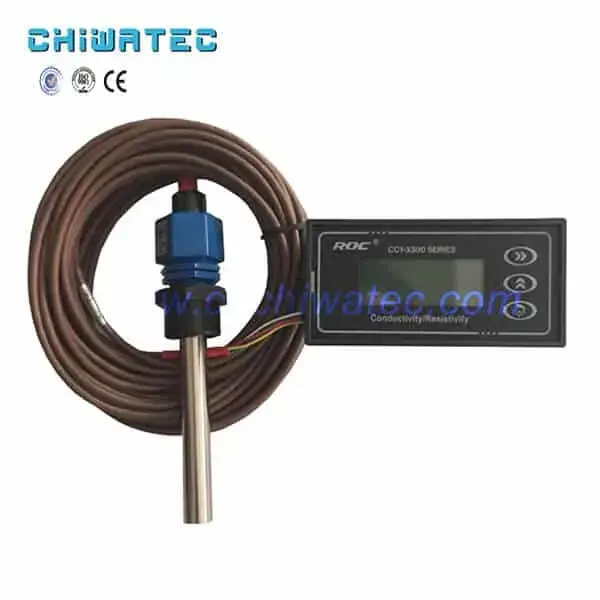
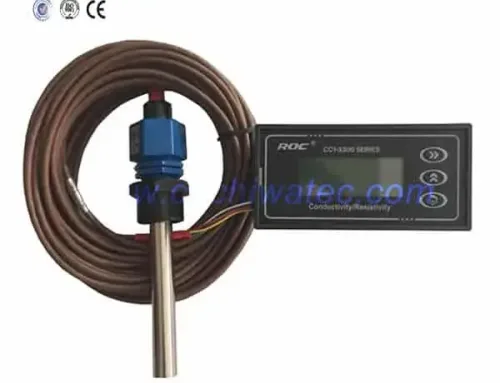
- Instrumentation: Pressure gauges, flow meters, conductivity/TDS monitors
- CIP system: Clean-in-place for membrane maintenance
4. Application Scope of Industrial RO Pure Water Equipment
4.1 Drinking Pure Water Preparation
Applications: Real estate properties, residential communities, hotels, schools, corporate facilities
- Direct drinking water systems: Point-of-use purification for offices and institutions
- Bottled water production: Purified water for commercial bottling operations
- Pipeline drinking water: Centralized treatment with distribution networks
- TDS range: 10-50 ppm for optimal taste and health benefits
4.2 Food & Beverage Industry
Applications: Beverages, beer, liquor, health supplements, dairy processing
- Beverage production: Consistent water quality for soft drinks, juices, teas
- Brewing: Removes chlorine and minerals that affect beer flavor
- Dairy processing: Standardized water for milk reconstitution and cleaning
- Food ingredient manufacturing: Pure water for extracts, concentrates, sauces
- Regulatory compliance: Meets FDA, EU, and local food safety standards
4.3 Electronics Industry
Applications: Integrated circuits, silicon wafers, display panels, PCB manufacturing
- Ultrapure water (UPW): RO as pretreatment for 18.2 MΩ·cm resistivity
- Component rinsing: Particle-free water prevents defects on microchips
- Solution preparation: Consistent purity for etching and plating baths
- Display manufacturing: LCD, OLED, and semiconductor fabrication
- TDS requirement: <1 ppb for critical processes
4.4 Pharmaceutical & Biotechnology
Applications: IV fluids, injections, tablets, biochemical products, equipment cleaning
- Purified Water (PW): Meets USP, EP, ChP pharmacopoeia standards
- Water for Injection (WFI): RO pretreatment for distillation or ultrafiltration
- Pyrogen removal: 100% elimination of endotoxins
- CIP/SIP systems: Sanitary design for pharmaceutical cleaning
- Validation support: IQ/OQ/PQ documentation for regulatory compliance
4.5 Chemical Industry
Applications: Chemical circulating water, product manufacturing, fertilizers, petrochemicals
- Boiler feedwater: Prevents scaling and corrosion in steam systems
- Process water: Consistent quality for chemical reactions
- Cooling tower makeup: Reduces blowdown and chemical treatment costs
- Solution preparation: Precise concentration control for formulations
4.6 Other Industrial Applications
Automotive industry: Painting, coating, electroplating rinse water
Home appliances: Manufacturing process water for refrigerators, washing machines
Glass and film: Coating processes requiring spot-free rinsing
Cosmetics: Pure water for lotions, creams, personal care products
Fine chemicals: Laboratory and pilot plant water purification
Printing & dyeing: Consistent water quality for color matching and fabric treatment
Power generation: Boiler feedwater for thermal and nuclear plants
5. 2026 Market Trends & Technology Advances
5.1 Global Market Growth
The industrial RO equipment market continues expanding:
- Market size: Expected to reach $28.5 billion by 2027 (CAGR 7.2%)
- Asia-Pacific: Fastest growth region driven by industrialization and water scarcity
- China & India: Leading adoption in electronics, pharmaceuticals, and power generation
- Seawater desalination: Growing demand in Middle East and coastal regions
5.2 Technology Innovations
- Low-pressure membranes: Reduced energy consumption by 20-30%
- Fouling-resistant coatings: Extended cleaning intervals and membrane life
- Smart monitoring: IoT sensors for real-time performance tracking
- Energy recovery devices: 95%+ energy recovery in seawater applications
- Hybrid systems: RO combined with EDI, UV, and ultrafiltration
5.3 Sustainability Focus
- Zero liquid discharge (ZLD): Maximizing water recovery, minimizing waste
- Brine concentration: Advanced treatment for concentrate management
- Renewable energy integration: Solar-powered RO for remote locations
- Carbon footprint reduction: Energy-efficient designs and operations
6. Conclusion
Industrial reverse osmosis pure water equipment has become the cornerstone of modern water purification across diverse industries. From electronics manufacturing requiring ultrapure water to pharmaceutical production demanding pyrogen-free solutions, RO technology delivers consistent, reliable performance with superior economics compared to traditional methods.
Key advantages include:
- ✓ Comprehensive contaminant removal: 95-99% rejection of ions, organics, and microorganisms
- ✓ Energy efficiency: Lower operating costs than distillation
- ✓ Continuous operation: No regeneration downtime
- ✓ Scalability: Systems from 0.5 to 500+ m³/h capacity
- ✓ Regulatory compliance: Meets international quality standards
Xi’an CHIWATEC Water Treatment Technology specializes in designing and manufacturing industrial reverse osmosis systems for diverse applications. Our engineering team provides customized solutions from standard packaged units to large-scale turnkey plants, ensuring optimal water quality for your specific industry requirements.
As water scarcity intensifies and quality standards tighten, industrial RO technology will continue playing a vital role in sustainable water management and industrial productivity.
7. FAQ: Industrial Reverse Osmosis Pure Water Equipment
Q1: How long do RO membranes last in industrial applications?
With proper pretreatment and maintenance, industrial RO membranes typically last 5-7 years. Factors affecting lifespan include feedwater quality, operating pressure, cleaning frequency, and chlorine exposure. Regular monitoring and timely cleaning can extend membrane life significantly.
Q2: What is the typical recovery rate for industrial RO systems?
Recovery rates vary by application: brackish water RO achieves 70-85%, seawater RO 40-50%, and wastewater reuse 60-75%. Higher recovery reduces wastewater but increases scaling risk. Optimal recovery depends on feedwater analysis and pretreatment quality.
Q3: How often should RO membranes be cleaned?
Clean membranes when normalized flow drops 10-15%, pressure drop increases 15%, or salt passage increases 10%. With good pretreatment, cleaning intervals range from 6-18 months. Aggressive cleaning schedules indicate pretreatment issues requiring attention.
Q4: Can RO remove bacteria and viruses from water?
Yes, RO membranes effectively remove 99.9%+ of bacteria, viruses, and protozoa due to their 0.0001 micron pore size. However, damaged membranes or poor seals can allow microbial passage. Post-RO UV disinfection provides additional safety for critical applications.
Q5: What is the difference between single-pass and double-pass RO?
Single-pass RO: Water passes through one membrane stage (95-98% TDS removal). Double-pass RO: Permeate from first pass feeds second pass for higher purity (99%+ TDS removal). Double-pass is used for ultrapure water, pharmaceuticals, and high-pressure boilers.
Q6: How much energy does an industrial RO system consume?
Energy consumption ranges from 0.5-3 kWh per m³ for brackish water RO, and 3-6 kWh per m³ for seawater RO. Energy-efficient designs with variable frequency drives (VFD) and energy recovery devices can reduce consumption by 20-40%.
Do you have a water treatment project we can help with
* Designing,machining,installing,commissioning, customize and one-stop service
 English
  Spanish
  Portuguese