Application and Field of Activated Carbon Material in Tap Water Supply
Activated carbon is one of the most widely used water-treatment materials in modern water supply systems. Thanks to its enormous specific surface area, porous structure, and strong adsorption properties, it plays a crucial role in tap water purification, industrial manufacturing, wastewater reuse, odor control, and environmental protection. This article introduces the application fields of activated carbon and provides an in-depth explanation of how it enhances tap water safety and quality.
1. Application Direction and Field of Activated Carbon Products
1.1 Petrochemical Industry
Activated carbon is widely applied in petrochemical processes, including:
- Alkali-free deodorization & refined dethiol treatment
- Ethylene desalination using refined packing in ethylene production
- Catalyst carriers (palladium, platinum, rhodium, etc.) for styrene and reformer systems
- Water purification and wastewater treatment for advanced industrial water polishing
Its excellent adsorption and catalytic support capabilities significantly improve product purity and reduce pollution.
1.2 Power Industry
In power plants, activated carbon is commonly used for:
- Feedwater purification
- Boiler protection
- Removal of organic contaminants, chlorine, and trace pollutants
This ensures stable equipment performance and mitigates scaling or corrosion.
1.3 Chemical Industry
Applications include:
- Catalyst carriers and chemical catalysts
- Gas purification and solvent recovery
- Decolorization and purification of oils, fats, and chemical intermediates
Activated carbon helps industries achieve strict quality specifications and enhances environmental compliance.
1.4 Food Industry
- Refining and decolorization of beverages, alcohol, MSG mother liquor, and food processing liquids
- Ensures color, taste, and purity stability in food-grade products
1.5 Gold Extraction Industry
- Applicable to both carbon slurry (CIP/CIL) and heap leaching processes
- Used for tail liquid recovery, minimizing waste and improving gold-extraction efficiency
1.6 Environmental Protection Industry
Activated carbon is crucial in modern environmental treatment:
- Sewage treatment
- Exhaust gas and hazardous gas purification
- VOC (volatile organic compound) removal
- Gas-phase adsorption and air purification processes
1.7 Other Industries
Activated carbon is also used in:
- Cigarette filters
- Moisture control for wooden flooring
- Odor absorption
- Automobile gasoline evaporation pollution control
- Stain solution preparation and chemical soaking processes
2. Application of Activated Carbon Material in Tap Water Supply
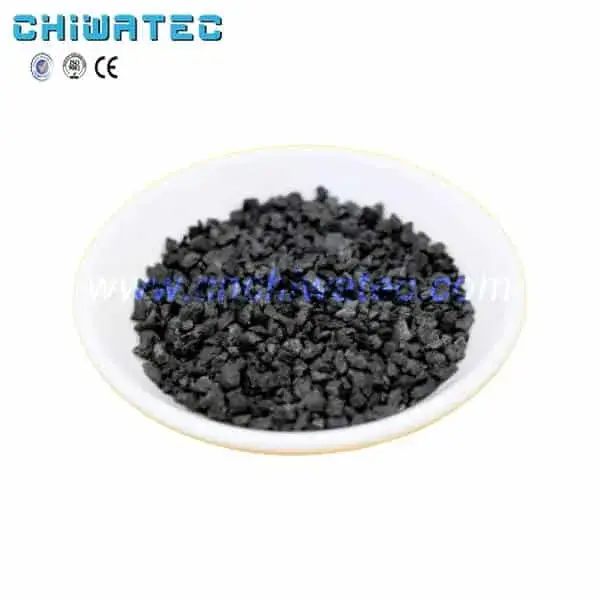
Activated carbon is classified by raw material (coal-based, wood-based, nut-shell-based, bone charcoal) and physical form (pelletized, granular, powdered, fiber-based). Regardless of type, its primary function is adsorption, which depends on its complex pore system:
- Macropores: > 20,000 nm
- Mesopores: 150–20,000 nm
- Micropores: < 150 nm
These pores strongly attract organic molecules, odor compounds, residual chlorine, pesticides, and other contaminants.
Mechanism of Adsorption
Activated carbon adsorbs pollutants through:
- Physical adsorption: Occurs mainly in micropores; removes low-molecular organic pollutants, odors, chlorine
- Chemical adsorption: Through surface functional groups reacting with pollutants
Over time, the pores become saturated and require regeneration to restore performance.
Evaluation indicators of activated carbon performance:
- Iodine value
- Methylene blue value
- Caramel decolorization value
Higher values indicate stronger adsorption capability.
3. Activated Carbon Types Used in Tap Water Treatment
3.1 Granular Activated Carbon (GAC)
- Contains well-developed micropores and mesopores
- Features: High adsorption capacity, fast adsorption rate, strong mechanical strength
- Suitable for continuous water treatment
- Can be regenerated and reused
3.2 Powdered Activated Carbon (PAC)
- Small particle size → high adsorption efficiency
- Typically used once (not regenerated)
- Ideal for short-term pollution events or sudden contamination
4. Real Application in Municipal Tap Water Treatment
Case Example: Beijing Water Supply Group
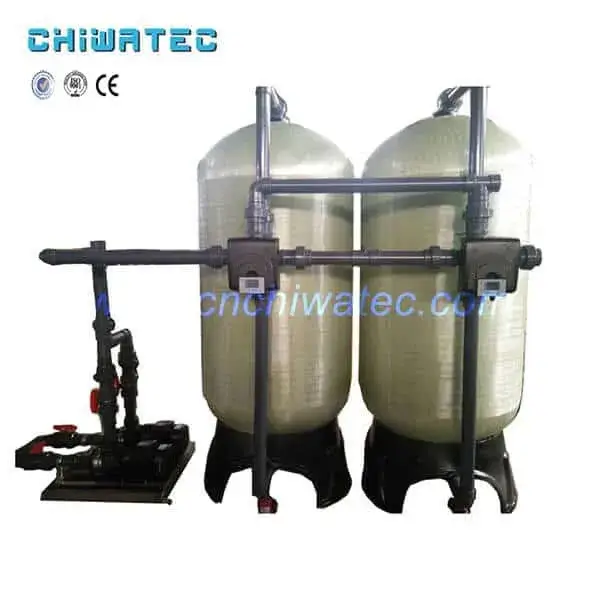
- Surface-water plants use a 1.5 m deep GAC filter
- Filtration rate: 9.5 m/hour
- Backwashing every 6 days with >30% expansion rate
- After initial usage, a biofilm forms on GAC, further enhancing biodegradation
- GAC is replaced or regenerated when adsorption performance declines
Powdered Carbon in Emergency Pollution Control
- Miyun Reservoir Odor Event (2005)
PAC was injected to remove odor-causing compounds effectively. - Harbin Nitrobenzene Pollution Incident (2005)
PAC was used to remove nitrobenzene and benzene from contaminated water.
These real cases demonstrate the critical role of activated carbon in ensuring safe drinking water.
5. Safety Precautions When Using Powdered Activated Carbon
- Avoid dust accumulation—risk of explosion when mixed with air at certain concentrations
- No smoking or sparks in handling areas
- Avoid mixing with strong oxidizers
- Operators must wear dust masks and protective equipment
Conclusion
Activated carbon is an essential material in the water supply industry, offering reliable performance in removing organic pollutants, odors, chlorine, pigments, and micro-pollutants. Its wide range of applications—from municipal tap water, petrochemical processing, food production, to environmental protection—demonstrates its versatility and importance.
In tap water treatment, both granular activated carbon (GAC) and powdered activated carbon (PAC) play crucial roles in routine purification and emergency pollution control, significantly improving drinking water quality and safety.
For advanced RO and pretreatment systems, explore CHIWATEC’s full product range:
👉 CHIWATEC Water Treatment Equipment & Solutions
FAQ
1. What is the main function of activated carbon in tap water treatment?
To remove organic pollutants, odors, pesticides, residual chlorine, and micro-pollutants through physical and chemical adsorption.
2. What is the difference between granular activated carbon and powdered activated carbon?
- GAC: Regenerable, used for continuous filtration
- PAC: One-time use, preferred for rapid treatment of sudden contamination
3. How often should granular activated carbon be replaced?
Replacement depends on raw-water quality, but typically occurs when adsorption performance drops below standards or pollutant breakthrough occurs.
4. Is activated carbon safe for drinking water purification?
Yes. It is widely used in municipal water treatment and meets all safety regulations.
5. Why is activated carbon effective against odors and organic pollutants?
Because of its large surface area and micropore structure, which strongly adsorb organic molecules and odor-causing compounds.
Xi’an CHIWATEC Water Treatment Technology is a high-tech enterprise specialized in various water processing devices. Aside from these individual products, which cover a number of types and series, we can also help with related comprehensive engineering projects. Thanks to our hard work and dedication upon our founding, we are now one of the fastest-developing water treatment equipment manufacturers in Western China.
Further reading:
FOLLOW US
Do you have a water treatment project we can help with
* Designing,machining,installing,commissioning, customize and one-stop service
 English
  Spanish
  Portuguese