Activated Carbon Fiber — High-Efficiency Adsorption Material for Water & Air Purification
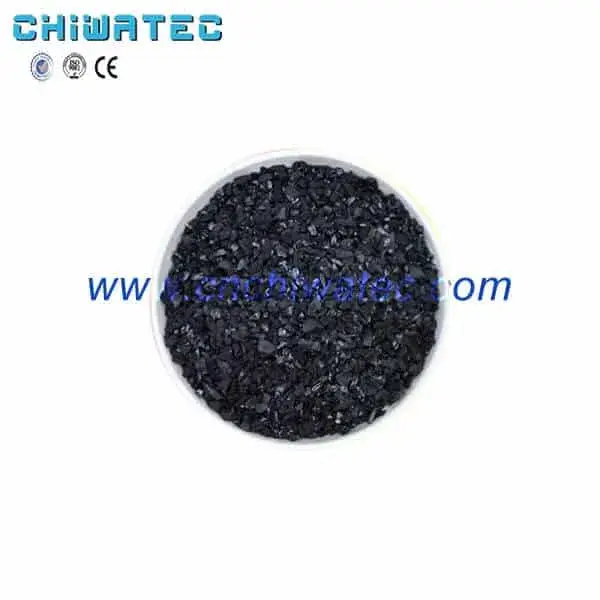
Activated Carbon Fiber (ACF) is an innovative adsorption material developed from carbon fiber with a filament diameter of only 8–30 microns. Through specialized activation processes, millions of ultrafine micropores (average pore size around 20 Å) form on the fiber surface. These micropores significantly enhance adsorption performance for gases, vapors, pollutants, and organic compounds.
Compared with traditional granular activated carbon (GAC), activated carbon fiber offers faster adsorption, stronger capacity, quicker desorption, simpler regeneration, and higher efficiency, making it a preferred material in advanced purification systems.
What is Activated Carbon Fiber?
Activated Carbon Fiber is a porous carbon material created by activating carbon-based fibers such as phenolic fiber, viscose fiber, or polyacrylonitrile fiber (PAN). The activation process develops a uniform microporous structure directly on the fiber surface, allowing pollutants to come into contact with active sites more efficiently.
Key Characteristics
- Super-high surface area — thousands of m²/g
- Highly uniform micropores with strong affinity for gas & organic molecules
- Fast adsorption/desorption cycle
- Low pressure drop and easy handling
- Can be made into cloth, felt, paper, honeycomb blocks, or granules
Advantages of Activated Carbon Fiber Over Traditional Activated Carbon
| Feature | Activated Carbon Fiber | Granular Activated Carbon |
|---|---|---|
| Adsorption speed | Extremely fast | Slow to medium |
| Surface area | Very high | Moderate |
| Regeneration | Easy & low-energy | More complex |
| Pressure drop | Very low | Higher |
| Form | Fiber, felt, cloth, paper | Granular only |
ACF’s unique fiber structure allows pollutants to reach adsorption sites instantly, making it ideal for high-efficiency purification systems.
Applications of Activated Carbon Fiber
Activated carbon fiber is widely used across industrial, commercial, environmental, and medical sectors due to its superior adsorption performance.
1. Solvent Recovery
ACF is particularly effective for capturing and recovering volatile organic compounds (VOCs) and corrosive solvents.
Typical applications:
- Chlorinated hydrocarbon compounds
- Low-boiling-point organic solvents
- Mixed solvent recovery
- Gas purification and separation systems
Its rapid adsorption and desorption enable improved recovery efficiency and reduced energy consumption.
2. Air Purification
Activated carbon fiber efficiently removes:
- Dust, pollen, bacteria, viruses
- Chemical gases: benzene, aldehydes, phenols
- Carbon monoxide & carbon dioxide
- Harmful ozone
- Vehicle and industrial exhaust
Used in:
- Engine rooms, cabins
- Trains, automobiles
- Hotels, hospitals, offices
- Computer & server rooms
- Household indoor air purifiers
ACF ensures fresh, cleaner air due to its large surface area.
3. Sewage Treatment
ACF is used for treating complex industrial wastewater, including:
- Pharmaceutical wastewater
- Printing and dyeing wastewater
- Petroleum refinery wastewater
- Circulating cooling water
It removes trace organics, colors, odors, and toxic pollutants.
4. Water Purification
ACF plays a key role in high-purity and food-grade water systems.
Applications:
- Drinking water purification
- Food/beverage water treatment
- Pharmaceutical water treatment
- Sugar, brewing, and biochemical industries
- Ultrapure water systems in electronics manufacturing
It helps remove organic compounds, odors, residual chlorine, and color.
5. Protective Equipment
ACF felt and fabric can be made into:
- Chemical protective clothing
- Gas masks and respirators
- Protective masks and filters
Its strong adsorption capacity provides excellent shielding against toxic gases.
6. Medical, Electronics & Biotechnology
Activated carbon fibers offer excellent electrical conductivity and stability.
Applications include:
- High-performance capacitors
- Battery electrodes
- Flexible foldable battery materials
- Biological adsorption materials
- Medical purification and filtration
ACF electrodes allow stable charge/discharge with large storage capacity.
7. Civil & Consumer Products
- Refrigerator deodorization
- Fruit & vegetable preservation materials
- Household water filters
- Deodorizing shoe insoles
- Healthcare fabric and shorts
Its flexibility makes ACF suitable even for personal daily-use items.
Common Uses & Industry Types
- Air purification & air filters
- Exhaust gas adsorption in wastewater plants
- Drinking water treatment
- Power plant pretreatment systems
- Wastewater recovery pre-treatment
- Biological and toxic wastewater treatment
- Petrochemical desulfurization & dethiolization
- VOC & solvent recovery
- Chemical catalyst carriers
- Toxic gas storage tanks
- Gold extraction
- Chemical product exhaust purification
- Refining of sugar, alcohol, MSG, pharmaceuticals
- Automobile exhaust purification
- PTA oxidation gas purification
Conclusion
Activated Carbon Fiber is a high-performance adsorption material known for its fast adsorption rate, powerful adsorption capacity, easy regeneration, and broad applicability. Its superior efficiency and versatility make it indispensable in modern air purification, water treatment, industrial waste management, protective equipment, and high-tech electronic applications.
As industries pursue cleaner production and environmental sustainability, Activated Carbon Fiber continues to grow as a critical material for advanced purification solutions.
FAQ About Activated Carbon Fiber
1. What makes activated carbon fiber better than granular activated carbon?
ACF has a larger specific surface area, faster adsorption/desorption speed, and lower pressure drop. This makes it significantly more efficient in dynamic purification systems.
2. Can ACF be regenerated and reused?
Yes. Activated Carbon Fiber can be regenerated at low energy levels, making it economical for long-term use, especially in solvent recovery applications.
3. Is ACF safe for drinking water purification?
Absolutely. ACF is commonly used in food-grade and pharmaceutical-grade purification systems due to its high purity and strong organic removal ability.
4. What forms does activated carbon fiber come in?
It is available in felt, cloth, paper, block, and granular forms to suit different applications such as masks, filters, adsorption towers, and household products.
5. Does ACF remove odors and chemical gases?
Yes. It can efficiently remove odors, VOCs, harmful gases, and air pollutants, making it ideal for indoor air purification and protective equipment.
Xi’an CHIWATEC Water Treatment Technology is a high-tech enterprise specialized in various water processing devices. Aside from these individual products, which cover a number of types and series, we can also help with related comprehensive engineering projects. Thanks to our hard work and dedication upon our founding, we are now one of the fastest-developing water treatment equipment manufacturers in Western China.
Further reading:
FOLLOW US
Do you have a water treatment project we can help with
* Designing,machining,installing,commissioning, customize and one-stop service
 English
  Spanish
  Portuguese