Mechanical Filter for Water Treatment: Principle, Characteristics, Selection, and Applications Guide (2026 Updated)
A mechanical filter, also known as a pressure filter, is an essential pretreatment component in water purification systems that removes suspended solids, turbidity, and particulate matter from raw water. By passing water through layers of filter media under pressure, mechanical filters achieve significant reduction in turbidity, suspended solids, and colloidal particles — protecting downstream equipment such as reverse osmosis membranes, ion exchange resins, and distribution systems. Xi’an CHIWATEC has been manufacturing mechanical filtration equipment for industrial and commercial water treatment applications since 2012.
*Last Updated: March 2026
Why This Guide Matters
Mechanical filtration is the most widely used pretreatment technology in water treatment, with over 90% of industrial water systems incorporating at least one mechanical filtration stage. The global mechanical filtration equipment market was valued at approximately USD 12.5 billion in 2025 and is projected to reach USD 20.8 billion by 2035, growing at a CAGR of 5.2% (Grand View Research, 2025). Proper selection and operation of mechanical filters directly impacts the performance and lifespan of downstream RO membranes, ion exchange resins, and other sensitive equipment. An improperly sized or operated mechanical filter can reduce RO membrane life by 40-60% due to particulate fouling. Understanding the principles, characteristics, selection criteria, and application scope of mechanical filters is essential for water treatment professionals designing or managing water treatment systems.
Key Industry Trends (2026 Update)
- Automatic backwash filters: Demand-initiated (differential pressure) automatic backwash mechanical filters are replacing manual and timer-based systems, reducing operator intervention by 80% and backwash water consumption by 25-35%.
- Dual-media and multi-media optimization: New graded dual-media configurations (anthracite over sand over garnet) achieve 25-40% longer filter runs between backwashes compared to single-media filters, significantly reducing operating costs for high-volume applications.
- FRP vessel adoption: Fiberglass reinforced plastic (FRP) mechanical filter vessels are gaining market share over traditional carbon steel vessels due to corrosion resistance, lighter weight, and lower installed cost — particularly in municipal and light industrial applications.
- Smart filter monitoring: IoT-enabled pressure sensors and turbidity analyzers provide real-time filter bed condition monitoring, enabling predictive backwash scheduling that reduces water waste by 15-30% while maintaining effluent quality.
1. What Is a Mechanical Filter in Water Treatment?
Definition and Function
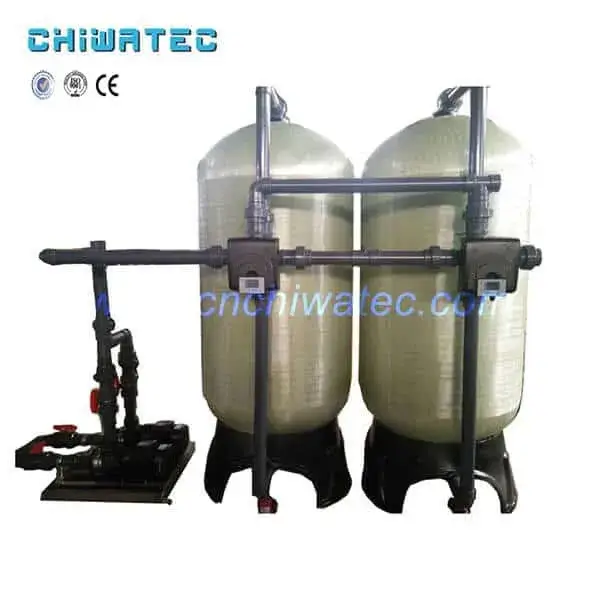
A mechanical filter, also called a pressure filter, is a pressure vessel containing one or more layers of granular filter media through which water is passed under pressure to remove suspended solids, turbidity, organic matter, colloidal particles, and in some cases, microorganisms and heavy metal ions. Mechanical filters are a critical part of the pretreatment and water purification system for pure water preparation and are typically installed as the first stage in a multi-step treatment train.
Construction and Materials
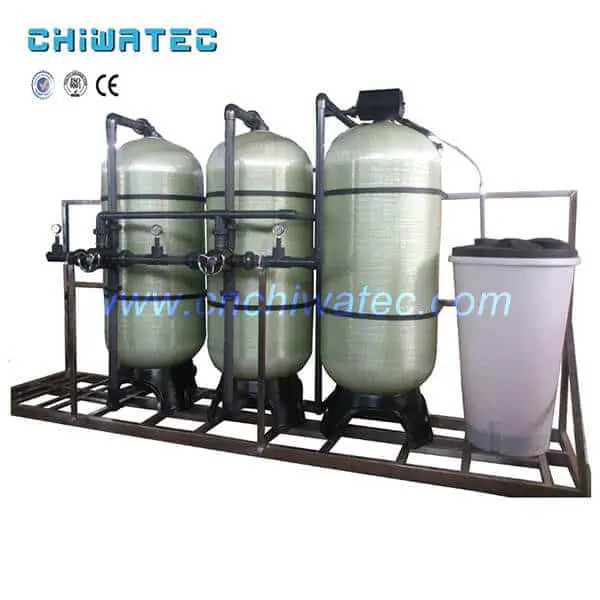
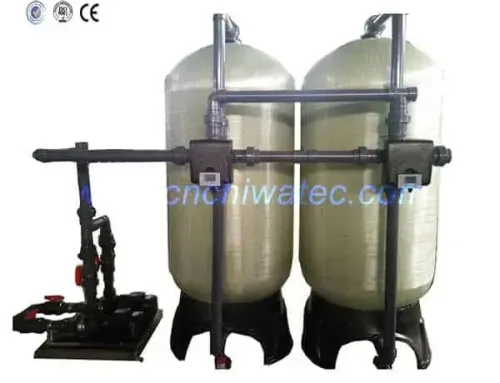
Mechanical filter vessels are manufactured from steel with rubber lining (for corrosion resistance), stainless steel (304 or 316L), or fiberglass reinforced plastic (FRP). The choice of material depends on the application, chemical environment, pressure rating, and budget. Internal components include an underdrain system (header-lateral or false bottom with nozzles), distribution system at the top, and a media support layer of graded gravel or quartz sand beneath the active filter media.
2. How Does a Mechanical Filter Work?
Filtration Mechanism
A mechanical filter uses one or more layers of granular filter media to remove impurities as raw water passes through the media bed under pressure. The filtration process involves three mechanisms: mechanical straining (particles larger than the pore spaces between media grains are physically trapped), sedimentation (heavier particles settle onto media surfaces within the pore channels), and adsorption (fine particles and colloids adhere to media surfaces through van der Waals forces and electrostatic attraction).
Media Types and Configurations
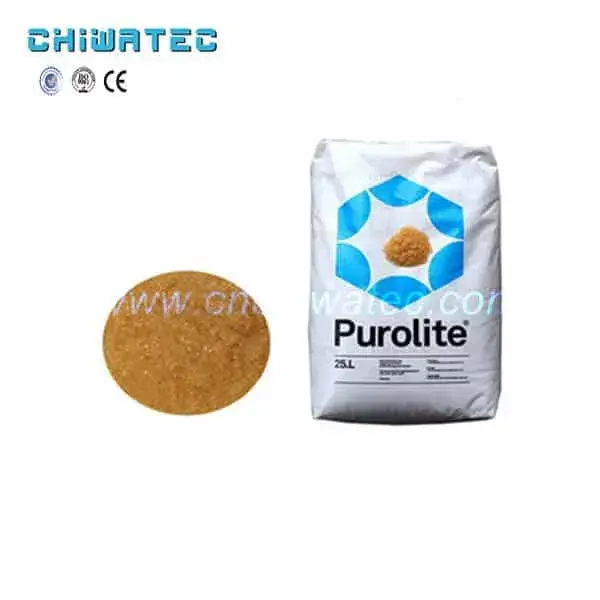
The internal filter media can include: quartz sand (the most common and economical media for general turbidity removal), anthracite (used in dual-media filters for higher dirt-holding capacity), manganese green sand (for iron and manganese removal), granular activated carbon (for chlorine and organic removal), and granular porous ceramics. Mechanical filters can operate in single-flow mode (water flows downward through the bed) or dual-flow mode (water enters from both top and bottom, with product water collected from the middle).
3. What Are the Different Types of Mechanical Filters?
Classification by Filter Media
Mechanical filters are classified by the filter media used: single-media filters (typically quartz sand, used for basic turbidity removal), dual-media filters (anthracite over sand, providing higher dirt-holding capacity and longer filter runs), multi-media filters (anthracite, sand, and garnet in graded layers for maximum solids retention), activated carbon filters (for combined filtration and adsorption of chlorine, organics, and taste/odor compounds), and manganese sand filters (for iron and manganese removal through catalytic oxidation).
Classification by Flow Configuration
Single-flow mechanical filters have simple piping and smooth operation. Water enters at the top and flows downward through the media bed, with the filtration flow rate typically 4-50 meters per hour. The operating period is generally 8 hours between backwashes, depending on influent quality. Dual-flow mechanical filters have water inlet devices at both the top and bottom, with a water outlet in the middle. The advantage of dual-flow design is larger filtration capacity, higher decontamination capability, and longer operation cycles (typically 20 hours). The disadvantage is more complex piping, less stable operation, and more difficult backwash and air scour procedures.
4. What Are the Key Performance Characteristics of Mechanical Filters?
Operating Parameters
| Parámetro | Typical Value |
|---|---|
| Filtration flow rate | 4-50 m/h (depending on media type) |
| Influent turbidity limit | Below 20 NTU |
| Effluent turbidity | Below 3 NTU (can reach below 1 NTU with proper design) |
| Presión operacional | 0.2-0.6 MPa (30-87 psi) |
| Filter run time (single-media) | 8-12 hours |
| Filter run time (dual-media) | 12-24 hours |
| Backwash flow rate | 8-15 L/m2-s |
| Backwash duration | 5-10 minutes |
Advantages of Mechanical Filters
Mechanical filters offer: low equipment cost compared to membrane-based alternatives, low operating cost (only the energy for pumping and occasional backwash), simple operation and minimal operator training requirements, filter media that can be used multiple times after backwashing (media life of 3-7 years), good filtration effect (effluent turbidity below 3 NTU), and a relatively small footprint compared to gravity-based filtration systems.
5. How to Select a Mechanical Filter?
Sizing Based on Flow Rate
The size of the mechanical filter vessel depends primarily on the required flow rate and the desired filtration velocity. For single-media sand filters, design filtration rates of 8-15 m/h are typical. For dual-media filters, rates of 12-20 m/h can be used. Calculate the required cross-sectional area by dividing the flow rate by the design filtration velocity. Add 15-25% safety margin for peak flow conditions. The vessel diameter is then calculated from the required area.
Material Selection
For most industrial applications, carbon steel with rubber lining (natural or synthetic) provides the best balance of cost, durability, and corrosion resistance. For corrosive water or high-purity applications, 304 or 316L stainless steel is recommended. For smaller commercial systems and lower pressure applications (below 0.4 MPa / 58 psi), FRP vessels offer a cost-effective, corrosion-resistant alternative. CHIWATEC provides complete mechanical filter sizing and material selection recommendations based on site-specific requirements.
Media Selection
Choose single-layer media for basic turbidity removal where effluent quality requirements are moderate. Choose dual-layer media (anthracite over sand) for higher solids loading and longer filter runs. Choose multi-layer media (anthracite, sand, garnet) for maximum dirt-holding capacity and effluent quality below 1 NTU. The effective size and uniformity coefficient of the media directly affect filtration performance and backwash requirements.
6. What Is the Application Scope of Mechanical Filters?
Pretreatment for RO and Ion Exchange Systems
Mechanical filtration is widely used as pretreatment before reverse osmosis (RO) systems and ion exchange softening and demineralization systems. By reducing feed water turbidity to below 3 NTU (and ideally below 1 NTU), mechanical filters protect downstream membranes and resin beds from fouling, extending their service life and reducing cleaning frequency. The influent turbidity requirement for mechanical filters is typically below 20 degrees (NTU).
Surface Water and Groundwater Treatment
Mechanical filters are used to treat surface water (rivers, lakes, reservoirs) and groundwater sources where turbidity removal is required before further treatment or direct use. For surface water with high seasonal turbidity variations, mechanical filters with automatic backwash control provide reliable operation without operator intervention.
Industrial Process Water
Industries including food and beverage, chemical processing, textile manufacturing, metal finishing, and power generation use mechanical filters to treat process water, cooling water, and boiler feed water. In these applications, mechanical filters serve as the first line of defense against particulate contamination.
7. What Is the Difference Between Single-Flow and Dual-Flow Mechanical Filters?
Single-Flow Design
Single-flow mechanical filters have a simple top-inlet, bottom-outlet design. Water enters at the top, flows downward through the filter media bed, and exits through the underdrain system at the bottom. The piping is straightforward, and operation is stable and predictable. The filtration flow rate for single-flow filters is typically 4-50 m/h, with an operating period of approximately 8 hours between backwashes.
Dual-Flow Design
Dual-flow mechanical filters are equipped with water inlet devices at both the upper and lower ends of the vessel, with the water outlet located in the middle of the media bed. Water flows from both top and bottom toward the center outlet, effectively doubling the filtration area within the same vessel diameter. Advantages include: larger filtration capacity per vessel, higher decontamination capability, and longer operation cycles (typically 20 hours). Disadvantages include: more complex piping systems, less stable operation at variable flow rates, and greater difficulty in backwashing and media replenishment.
8. How to Maintain a Mechanical Filter?
Backwash Operation
The most critical maintenance task is proper backwashing. Backwash frequency depends on influent water quality, filtration rate, and media type. For single-media filters with moderate turbidity (5-15 NTU), backwash is typically required every 8-12 hours. The backwash flow rate should be sufficient to fluidize the media bed by 15-30% (8-15 L/m2-s for sand media) for 5-10 minutes. Insufficient backwash leads to mud ball formation and media fouling, while excessive backwash wastes water and can wash out media.
Media Inspection and Replacement
Inspect the media bed annually by measuring bed depth and observing for channeling, mud balls, or media loss. If the effluent turbidity increases despite proper backwashing, or if the backwash expansion rate changes significantly, media replacement may be needed. Typical media life is 3-7 years depending on solids loading and backwash effectiveness. Media should be topped up as needed to maintain the design bed depth.
9. Common Problems and Troubleshooting
High Effluent Turbidity
If effluent turbidity exceeds 3 NTU, possible causes include: exhausted filter media (replace media), insufficient backwash frequency or intensity (increase backwash flow rate or duration), channeling in the media bed (check underdrain system and redistribute media), or influent turbidity exceeding design limits (add pre-sedimentation or increase filter area).
Short Filter Runs
If the time between backwashes is shorter than design, possible causes include: influent turbidity higher than expected (check source water quality), filtration rate too high (reduce flow or add parallel filters), media bed fouled (check and clean media), or incorrect media gradation (evaluate if a different media type or dual-media configuration is needed).
10. How Does a Mechanical Filter Compare to Other Filtration Technologies?
Mechanical Filter vs. Cartridge Filter
Mechanical filters (granular media) handle higher solids loads and provide longer filter runs between cleaning cycles. They are suitable for high-flow applications with moderate turbidity. Cartridge filters (precision filters) provide finer filtration (1-50 microns) but have lower dirt-holding capacity and require more frequent cartridge replacement. In a typical RO pretreatment train, a mechanical (multi-media) filter is installed first for bulk solids removal, followed by a cartridge (precision) filter as the final barrier.
Mechanical Filter vs. Ultrafiltration
Ultrafiltration (UF) membranes provide significantly finer filtration (0.01-0.1 microns) and can remove bacteria and viruses, but have higher capital and operating costs, require more frequent cleaning, and are more sensitive to feed water quality upsets. Mechanical filters are more robust, easier to operate, and have lower lifecycle costs for applications where particle removal to 5-25 microns is sufficient.
Conclusión
Mechanical filters (pressure filters) are a fundamental and reliable technology for removing suspended solids and turbidity from water in pretreatment systems for RO, ion exchange, and general industrial water treatment. Understanding the working principles, media types, selection criteria, and application scope of mechanical filters enables water treatment professionals to design systems that protect downstream equipment effectively while minimizing operating costs. Whether you need a simple single-media sand filter for general turbidity removal or a multi-media filter for demanding pretreatment applications, proper selection and operation of mechanical filtration equipment is essential for long-term system reliability. Contact Xi’an CHIWATEC today at [email protected] o [email protected] to discuss your mechanical filtration requirements and system design.
Frequently Asked Questions
Q1: What is the difference between a mechanical filter and a multimedia filter?
A mechanical filter is the general category of pressure vessels that use granular media to remove suspended solids. A multimedia filter is a specific type of mechanical filter that uses two or more layers of different media (typically anthracite over sand over garnet) to achieve higher dirt-holding capacity and longer filter runs. All multimedia filters are mechanical filters, but not all mechanical filters are multimedia filters — single-media (sand only) filters are also common.
Q2: What turbidity levels can a mechanical filter achieve?
With properly designed and operated mechanical filtration, effluent turbidity of below 3 NTU is routinely achievable. With dual-media or multi-media filters operating at conservative filtration rates, effluent turbidity below 1 NTU can be achieved. The influent turbidity should be below 20 NTU for consistent performance; higher turbidity levels require pre-sedimentation or dissolved air flotation (DAF) before the mechanical filter.
Q3: How often should a mechanical filter be backwashed?
Backwash frequency depends on influent water quality and filtration rate. For typical applications with moderate turbidity (5-15 NTU), single-media filters require backwashing every 8-12 hours, while dual-media filters can operate 12-24 hours between backwashes. Automatic backwash systems based on differential pressure or time clock scheduling are recommended to ensure consistent performance.
Q4: What is the lifespan of mechanical filter media?
Mechanical filter media (sand, anthracite, garnet) typically lasts 3-7 years under normal operating conditions. Media life depends on influent solids loading, backwash effectiveness, and media quality. Annual inspection and topping up of media (replacing 5-10% annual loss) is recommended. Signs that media replacement is needed include: increased effluent turbidity despite adequate backwashing, reduced filter run times, and visible media degradation or channeling.
Q5: Can mechanical filters remove bacteria from water?
Standard mechanical filters with granular media (sand, anthracite) can remove larger microorganisms and some bacteria through physical straining, but they are not designed for complete bacterial removal. The biofilms that form on filter media surfaces (schmutzdecke) can enhance biological removal, but this is not reliable enough for disinfection purposes. For bacterial removal, ultrafiltration (UF) membranes or disinfection with chlorine, UV, or ozone should follow mechanical filtration.
Related Resources and Further Reading
¿Tiene un proyecto de tratamiento de agua con el que podamos ayudar?
* Diseño, mecanizado, instalación, puesta en marcha, personalización y servicio integral
 Spanish
  English
  Portuguese