Why the Electronics Industry Needs Deionized and Ultrapure Water Equipment
In modern electronics manufacturing, deionized (DI) water and ultrapure water have become critical for ensuring the precision, reliability, and stability of products such as printed circuit boards (PCBs), semiconductor chips, transistors, and integrated circuits.
Importance of Deionized and Ultrapure Water in the Electronics Industry
Water used in electronics production directly influences the product yield, defect rate, and cost efficiency. As production technologies advance, the demand for higher water purity has become more stringent—contaminants even at parts-per-billion levels can cause product failure or reduced lifespan.
In semiconductor fabrication, up to 80% of production processes involve the use of ultrapure water—primarily for cleaning silicon wafers, chemical solution preparation, and equipment cooling. Any impurity in the water, such as ions, organics, or particles, can severely affect product performance and reduce overall yield.
Impact of Water Impurities on Semiconductor and PCB Production
Even trace contaminants in water can damage sensitive electronic components:
- Alkali metals (Na, K): Cause insulation film breakdown and reduce voltage resistance.
- Heavy metals (Cu, Ag, Au): Decrease PN junction strength, impacting semiconductor integrity.
- Group III elements (B, Al, Ga): Degrade n-type semiconductor properties.
- Group V elements (P, As, Sb): Negatively affect p-type semiconductor characteristics.
- Microbial residues: When carbonized, they release phosphorus that can locally alter silicon conductivity, leading to device malfunction.
- Particles and colloids: Can attach to silicon wafer surfaces, causing short circuits, surface defects, or inconsistent electrical characteristics.
This is why electronics manufacturers rely on ultrapure water systems capable of removing ions, organics, bacteria, silica, and particulates to near-zero levels.
Main Sources of Impurities in Deionized/Ultrapure Water
(1) Water Source Contamination
Natural water sources contain dissolved salts, gases like CO₂, and organic colloids such as humic acid and silica. Additionally, non-dissolved materials—like clay, sand, bacteria, algae, and microorganisms—enter the system if not properly pretreated. These impurities can easily compromise the purity of DI/ultrapure water systems.
(2) Material and Equipment Contamination
Components used in DI and ultrapure water systems, including pipes, tanks, and valves, are typically made from metallic or polymer materials.
- Metallic parts can leach trace ions into the water.
- Plastics and polymers may release additives, plasticizers, or colorants, introducing organic and inorganic impurities.
Hence, using high-purity materials such as PVDF, PFA, or 316L stainless steel is crucial for maintaining consistent water purity.
Chiwatec’s Expertise in Ultrapure Water Solutions
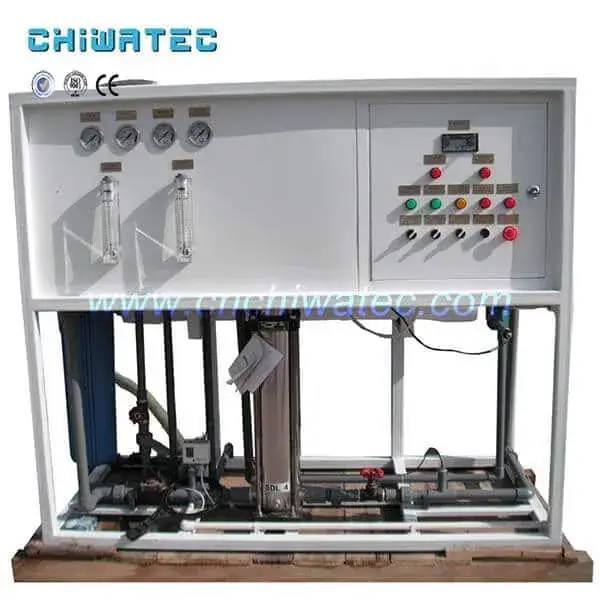
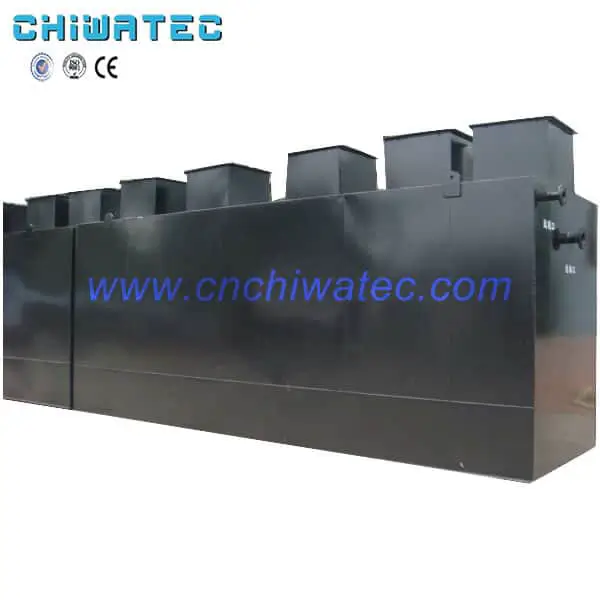
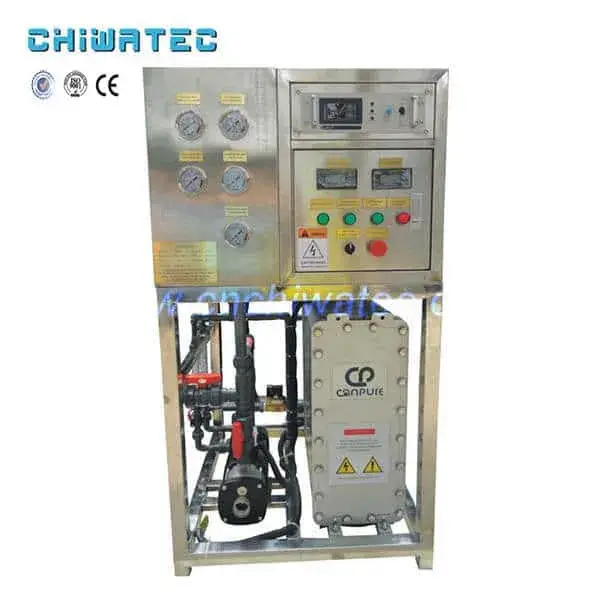
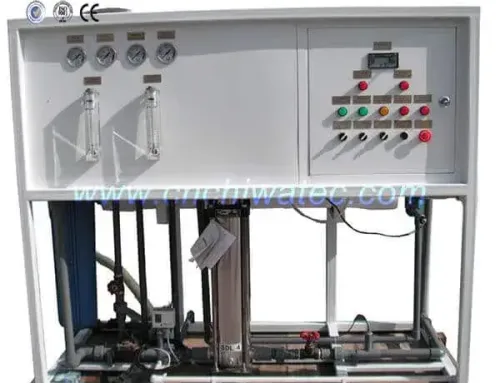
Chiwatec specializes in the design, manufacturing, and integration of high-performance ultrapure and deionized water systems, combining advanced reverse osmosis (RO), electrodeionization (EDI), and precision filtration technologies.
Our systems are widely used in:
- Electronics & Semiconductor Manufacturing: Silicon wafer cleaning, PCB rinsing, and integrated circuit production.
- Photovoltaic & Optoelectronic Industries: Ultrapure water for display panels and conductive film production.
- Medical, Food & Beverage, and Power Plants: Reliable high-purity water for sensitive processes.
With over a decade of experience in RO pure water systems, EDI ultrapure systems, and customized PCB deionized water equipment, Chiwatec ensures stable operation, low maintenance, and maximum energy efficiency.
We integrate automated control, modular design, and environmentally friendly components, providing customers with turnkey water treatment solutions that meet or exceed international standards for purity and reliability.
Conclusión
El uso de deionized and ultrapure water systems in the electronics industry is not optional—it’s a fundamental requirement for ensuring high-quality, defect-free electronic components. As production precision increases, the importance of water purity control becomes even greater.
Chiwatec’s advanced RO and EDI ultrapure water systems help manufacturers achieve consistent performance, improve yields, and reduce operating costs—making them the preferred choice for high-tech industries worldwide.
FAQ
Q1: What is the difference between deionized water and ultrapure water?
Deionized water removes most ions and dissolved salts, while ultrapure water undergoes further treatment to eliminate organic matter, particles, microorganisms, and silica, reaching resistivity levels above 18 MΩ·cm—suitable for semiconductor production.
Q2: Why can’t regular purified water be used in semiconductor manufacturing?
Regular purified water still contains trace ions, organics, and particulates that can damage microelectronic structures, leading to defects, short circuits, or reduced product reliability.
Q3: How does an EDI system work in ultrapure water production?
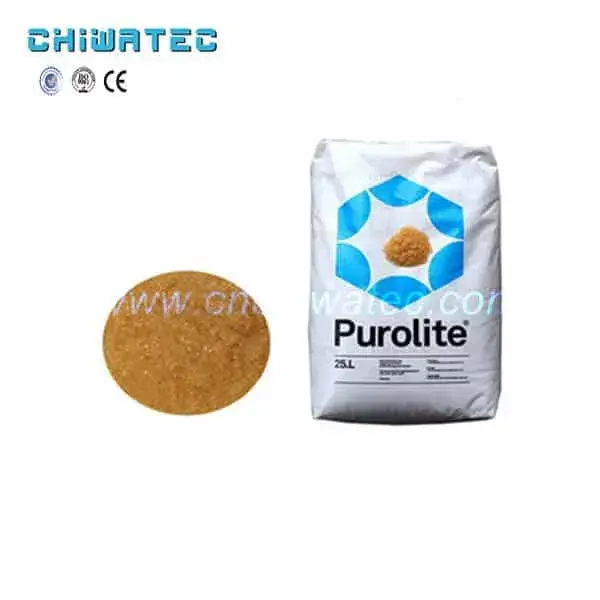
An Electrodeionization (EDI) system uses electricity, ion exchange membranes, and resins to continuously remove ionized impurities without the need for chemical regeneration—ensuring stable and eco-friendly operation.
Q4: How often should ultrapure water systems be maintained?
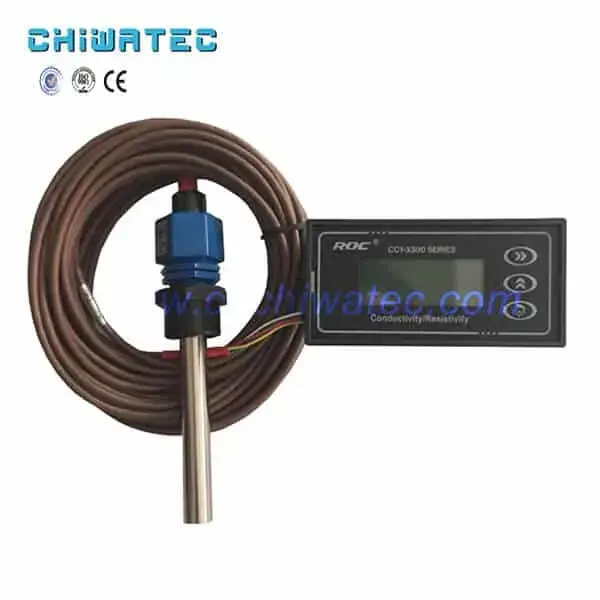
Maintenance depends on water quality and system design, but typically includes regular filter replacement, membrane cleaning, and resistivity monitoring to ensure stable operation.
Q5: What industries can benefit from Chiwatec ultrapure water systems?
Besides electronics and semiconductors, Chiwatec’s systems are widely used in pharmaceuticals, food processing, cosmetics, laboratories, and power generation, wherever water purity is mission-critical.
Xian CHIWATEC Water Treatment Technology es una empresa de alta tecnología especializada en varios dispositivos de procesamiento de agua. Aparte de estos productos individuales, que cubren una serie de tipos y series, también podemos ayudar con proyectos de ingeniería integrales relacionados. Gracias a nuestro arduo trabajo y dedicación desde nuestra fundación, ahora somos uno de los fabricantes de equipos de tratamiento de agua de más rápido desarrollo en el oeste de China.
Otras lecturas
- Solar Ultrapure Water System Process Flow for Photovoltaic High-Concentration Acidic and Alkaline Wastewater Treatment
- Comprehensive Design Process for Reverse Osmosis Desalination in Ultrapure Water Systems
- Optimizing Water Flux and High-Pressure Pump Selection in Ultrapure Water System Design
- Comprehensive Guide to Ultrapure Water Equipment Process Flow
SÍGANOS
¿Tiene un proyecto de tratamiento de agua con el que podamos ayudar?
* Diseño, mecanizado, instalación, puesta en marcha, personalización y servicio integral

 Spanish
  English
  Portuguese