Integrated Circuit Pure Water System: 2026 Guide to Latest Technology and RO+EDI Solutions
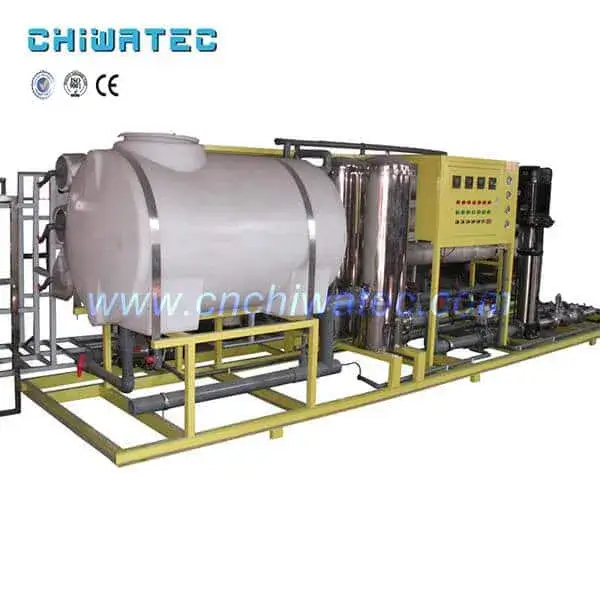
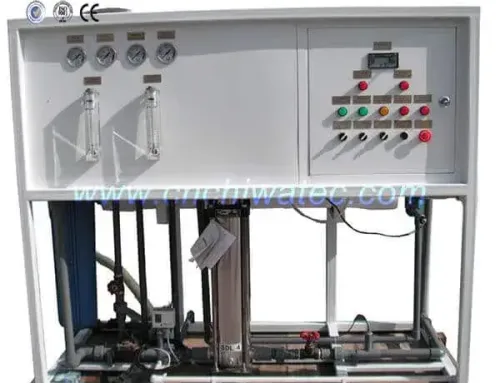
Is your integrated circuit manufacturing process suffering from water quality issues? Semiconductor fabrication requires ultrapure water with resistivity of 18.2 MΩ·cm and TOC below 1 ppb — levels that standard water treatment cannot achieve. The direct answer is: an integrated circuit pure water system combining two-stage reverse osmosis (RO) with electrodeionization (EDI) technology can consistently deliver the ultra-high purity water needed for IC production. The global ultrapure water market for semiconductor manufacturing was valued at USD 4.7 billion in 2024 and is projected to reach USD 9.8 billion by 2034 (Grand View Research), driven by the expansion of IC fabrication facilities worldwide. CHIWATEC has engineered high-purity water systems for the electronics industry, providing tailored RO+EDI solutions for integrated circuit production lines.
What Is an Integrated Circuit Pure Water System?
An integrated circuit pure water system is a specialized water treatment train designed to produce ultrapure water (UPW) for semiconductor and electronics manufacturing. Unlike standard industrial pure water, IC-grade water must meet ASTM D5127 Type E-1.1 or equivalent standards, with the following critical specifications:
| Parámetro | IC Grade Requirement | Standard Comparison |
|---|---|---|
| Resistivity | 18.2 MΩ·cm | > 10 MΩ·cm for general electronics |
| TOC | < 1 ppb | < 50 ppb for pharma grade |
| Particle Count | < 1 particle/mL > 0.05 μm | < 100/mL for lab grade |
| Bacteria | < 1 CFU/100 mL | < 10 CFU/mL for pharma |
| Silica | < 0.5 ppb | < 10 ppb for boiler feed |
| Dissolved Oxygen | < 1 ppb | No requirement for most industries |
Meeting these stringent specifications requires a multi-stage treatment approach, with two-stage RO followed by EDI being the most widely adopted configuration for modern IC fabrication facilities.
Two-Stage Reverse Osmosis Process for IC Pure Water
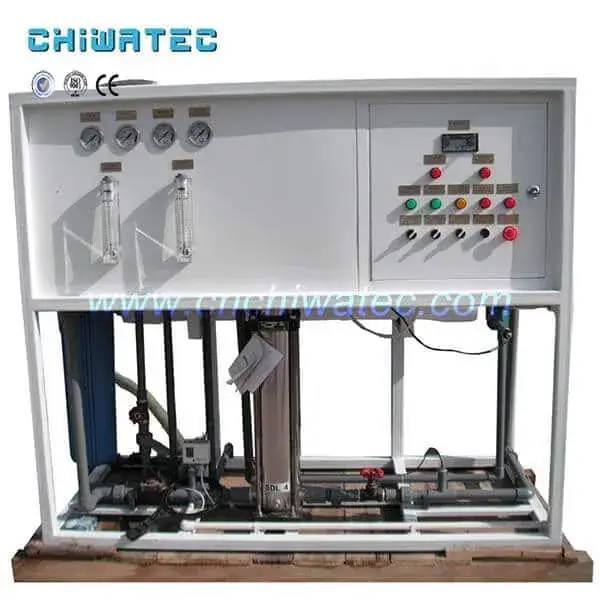
The first stage of an integrated circuit pure water system typically employs a two-stage reverse osmosis process that provides the foundation for ultrapure water production:
- First-stage RO — Feed water passes through the first RO membrane array operating at 10–15 bar pressure, achieving 75–85% salt rejection. This reduces TDS from feed water levels (typically 200–500 ppm) to 30–75 ppm.
- Second-stage RO — The permeate from the first stage is fed to a second RO array operating at 8–12 bar. Since the feed water to the second stage is already partially purified, this stage achieves 90–95% rejection of remaining ions, producing permeate with TDS below 5–10 ppm.
- Permeate quality — After two-stage RO, the water resistivity reaches 1–5 MΩ·cm with TOC reduced to 10–50 ppb. This is sufficiently pure for general electronics washing but not yet adequate for IC manufacturing.
The two-stage RO process also benefits from reduced scaling and fouling rates compared to single-stage designs, because the second-stage membranes operate on already-purified water with minimal fouling potential. For detailed process flow, see the main process flow description of reverse osmosis pure water equipment.
RO+EDI Technology: The Standard for IC-Grade Ultrapure Water
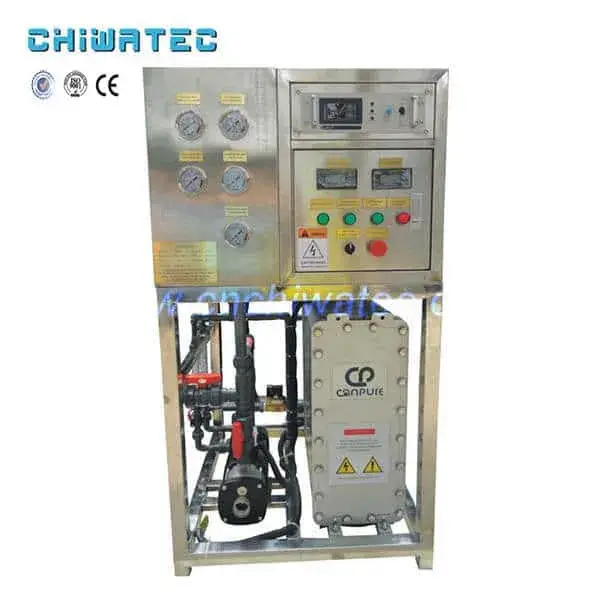
To achieve the 18.2 MΩ·cm resistivity required for integrated circuit manufacturing, two-stage RO permeate must undergo final polishing via electrodeionization (EDI). The RO+EDI combination has become the industry standard for IC pure water systems:
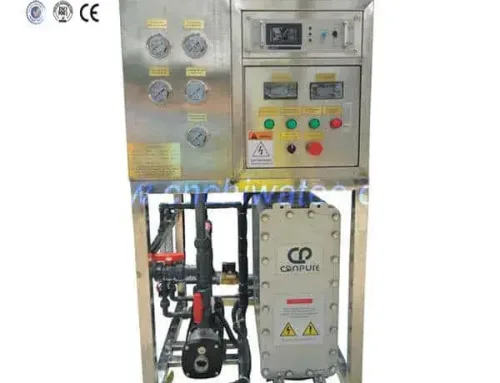
- Cómo funciona EDI — EDI uses ion-exchange membranes, mixed-bed resin, and a DC electrical field to continuously remove residual ions from RO permeate. Unlike conventional mixed-bed deionization, EDI regenerates automatically without acid or caustic chemicals.
- Performance output — A properly configured EDI module can reduce conductivity from 1–5 μS/cm (post-RO) to below 0.055 μS/cm (18.2 MΩ·cm), with silica removal to below 0.5 ppb and TOC reduction to below 1 ppb.
- Continuous operation — EDI systems operate continuously without regeneration downtime, making them ideal for 24/7 IC production lines where water supply interruptions are unacceptable. Learn about reverse osmosis concentration polarization effects that can impact RO performance in high-purity applications.
For facilities requiring the highest water quality, a post-EDI polishing loop with UV oxidation (185 nm) and membrane degasification can further reduce TOC to below 0.5 ppb and dissolved oxygen to below 1 ppb.
Application Range of IC Pure Water Equipment
Integrated circuit pure water systems serve a wide range of applications within the electronics and semiconductor industries:
- Wafer rinsing and cleaning — Each silicon wafer requires 5–15 m³ of ultrapure water during the fabrication process, with rinse steps requiring 18.2 MΩ·cm resistivity to prevent ionic contamination.
- Chemical mechanical planarization (CMP) — CMP slurries and post-CMP cleaning use large volumes of ultrapure water to remove particles and chemical residues from wafer surfaces.
- Wet etching and cleaning — Batch and single-wafer wet processing tools require UPW for chemical dilution and intermediate rinsing between etch steps.
- Optoelectronic and display manufacturing — Liquid crystal display (LCD) and LED production lines use ultrapure water for substrate cleaning and chemical dilution, with similar quality requirements to IC manufacturing.
- Photovoltaic cell production — Solar cell manufacturing also demands high-purity water for wafer cleaning and chemical processing, though typically at slightly less stringent levels than IC-grade UPW.
For a broader perspective on where high-purity water is applied, see the advantages of reverse osmosis-ion exchange combined desalination treatment for various industrial applications.
Key Technical Requirements for IC Pure Water Equipment
Integrated circuit pure water equipment must meet elevated technical standards that go far beyond conventional water treatment systems:
- Material compatibility — All wetted materials must be non-leaching and chemically resistant. PVDF, PFA, and electropolished 316L stainless steel are the standard materials for high-purity water distribution.
- Sanitary design — Piping must have 3D (no dead legs) design with continuously recirculating loops to prevent bacterial stagnation. All connections should be either butt-welded or use sanitary fittings.
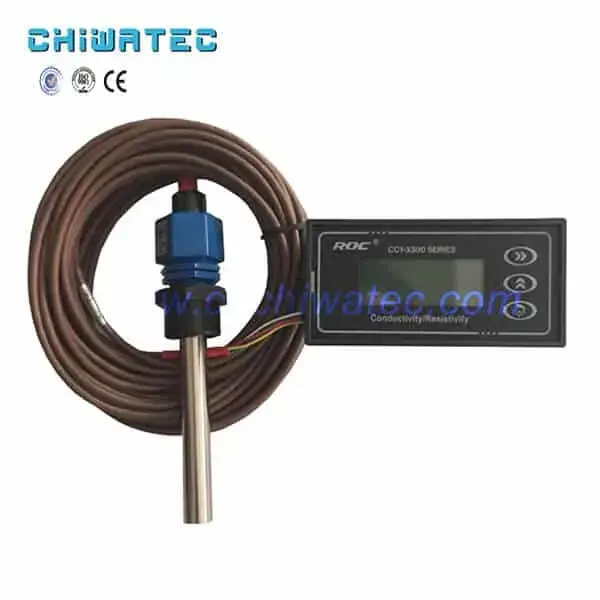
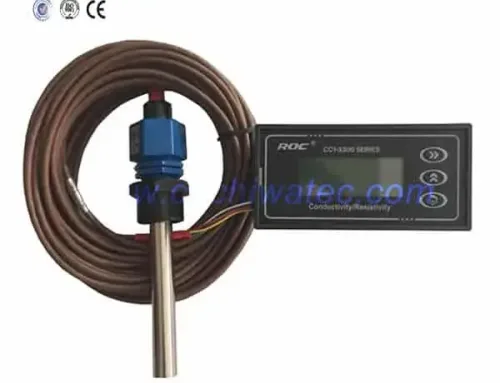
- Real-time monitoring — Continuous inline monitoring of resistivity, TOC, particle counts, temperature, and flow rate is mandatory. Data logging and alarm systems must alert operators immediately when any parameter drifts outside specification.
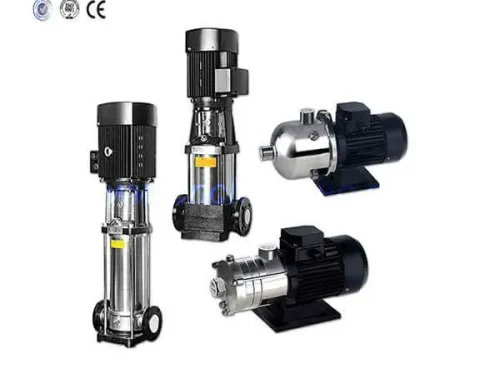
- Energy efficiency — Modern IC pure water systems incorporate energy recovery devices, variable frequency drives on pumps, and optimized membrane array configurations to minimize energy consumption per cubic meter of product water.
- System validation — Complete system validation including IQ/OQ/PQ protocols must be performed during commissioning. This includes verifying that every component meets the specified material and performance requirements. For troubleshooting, see the diagnosis of reverse osmosis water treatment systems.
Latest Technology Trends in IC Pure Water Treatment
The integrated circuit pure water system market continues to evolve with several key technology trends shaping the industry in 2026:
- AI-driven process optimization — Machine learning algorithms now predict membrane fouling rates and optimize cleaning schedules, reducing chemical consumption by 15–25% and extending membrane life by 20–30%.
- Advanced EDI module designs — Next-generation EDI stacks achieve higher flow rates per module (up to 15 m³/hour) while maintaining 18.2 MΩ·cm resistivity, reducing the footprint of UPW systems for new IC fabs.
- Water reuse and zero liquid discharge — IC fabs are increasingly adopting water recycling systems that treat and reuse 70–85% of process wastewater, driven by both environmental regulations and water scarcity in major semiconductor manufacturing regions.
- Low-energy RO membranes — New membrane technologies operating at 5–8 bar (versus conventional 10–15 bar) reduce energy consumption by up to 30% in the RO stage while maintaining salt rejection above 99%.
- Integrated system monitoring — IoT-enabled sensors and cloud-based SCADA platforms provide real-time visibility into UPW system performance across multiple fab locations, enabling predictive maintenance and centralized quality control.
Frequently Asked Questions (FAQ)
What water quality is required for integrated circuit manufacturing?
IC manufacturing requires ultrapure water with resistivity of 18.2 MΩ·cm, TOC below 1 ppb, particle count below 1 particle/mL at 0.05 μm, and bacteria below 1 CFU/100 mL. These specifications are defined by ASTM D5127 Type E-1.1.
What is the difference between RO and EDI in IC pure water systems?
RO (reverse osmosis) removes 95–99% of dissolved solids using semi-permeable membranes under pressure. EDI (electrodeionization) polishes RO permeate to achieve 18.2 MΩ·cm resistivity by removing residual ions using ion-exchange membranes and electrical current. RO provides bulk desalination; EDI provides final polishing.
How much does an integrated circuit pure water system cost?
Costs vary significantly based on capacity and required quality levels. A small IC-grade UPW system (1–5 m³/hour) typically costs USD 150,000–500,000, while large systems for major IC fabs (100+ m³/hour) can exceed USD 5 million. CHIWATEC provides customized quotations based on specific site requirements.
How often should RO membranes be replaced in IC pure water systems?
In well-maintained systems with proper pretreatment, RO membranes typically last 3–5 years. EDI stacks have a longer service life of 5–8 years. Regular cleaning every 3–6 months is essential to maintain performance. See cleaning methods for reverse osmosis equipment maintenance for detailed procedures.
Can IC pure water systems use recycled water as feed?
Yes, many modern IC fabs use reclaimed water as feed to the UPW system, typically after advanced pretreatment including ultrafiltration and activated carbon. However, with recycled feed water, the RO and EDI systems require more frequent cleaning and monitoring to maintain consistent product quality.
Conclusion & Call to Action
An integrated circuit pure water system combining two-stage RO with EDI technology is the proven standard for delivering the 18.2 MΩ·cm ultrapure water that semiconductor manufacturing demands. By understanding the technical requirements, application range, and latest technology trends, IC fabrication facilities can select and operate UPW systems that ensure consistent product quality while optimizing energy consumption and operating costs.
For expert guidance on designing or upgrading your IC-grade pure water system, contact CHIWATEC today at [email protected] o [email protected].
Related Resources and Further Reading
- Main Process Flow Description of Reverse Osmosis Pure Water Equipment
- The Dangers of Reverse Osmosis Concentration Polarization and How to Eliminate It
- Diagnosis of Reverse Osmosis Water Treatment System
- Cleaning Method for Reverse Osmosis Equipment Maintenance
- RO Water Treatment System Product Range 2026 » CHIWATEC
¿Tiene un proyecto de tratamiento de agua con el que podamos ayudar?
* Diseño, mecanizado, instalación, puesta en marcha, personalización y servicio integral
 Spanish
  English
  Portuguese