RO Reverse Osmosis Equipment System: Complete Guide and Applications 2026
Meta Description: Comprehensive guide to RO reverse osmosis equipment systems including ultrapure water technology, EDI integration, process flows, and industrial applications. Learn about reverse osmosis water treatment equipment specifications and performance in 2026.
Introduction: Evolution of Reverse Osmosis Water Treatment Technology
La aplicación de equipo de tratamiento de agua de osmosis inversa utilizing membrane separation technology has revolutionized ultrapure water manufacturing, representing a significant advancement over traditional ion exchange methods. The global RO equipment market is projected to reach $29.8 billion by 2026, growing at a CAGR of 8.7%, driven by semiconductor manufacturing, pharmaceutical production, and power generation industries demanding ultra-pure water quality.
Modern RO reverse osmosis systems have evolved from basic cation exchangers, decarbonation units, anion exchangers, and mixed bed ion exchangers to sophisticated membrane-based purification trains. The introduction of EDI (Electrodeionization) technology, widely adopted internationally over the past two decades, represents a revolutionary breakthrough in ultrapure water manufacturing—enabling production of 18 MΩ·cm resistivity water without chemical regeneration.
This comprehensive guide examines reverse osmosis equipment system design, typical process configurations, performance specifications, and industrial applications based on extensive field implementation across semiconductor, integrated circuit, pharmaceutical, and power generation facilities.
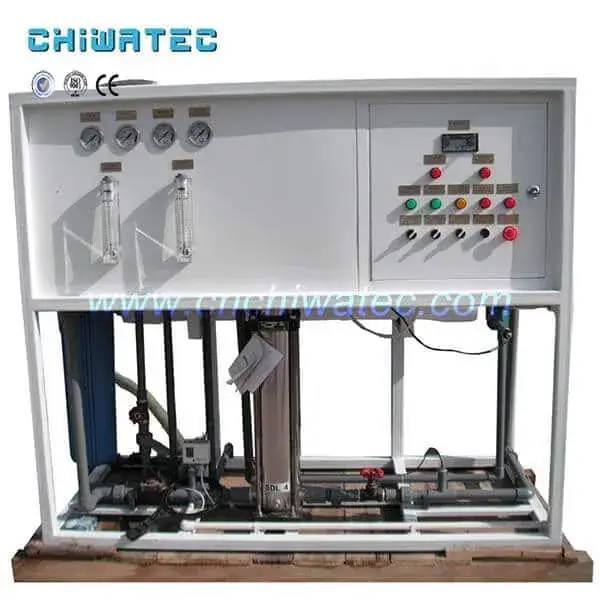
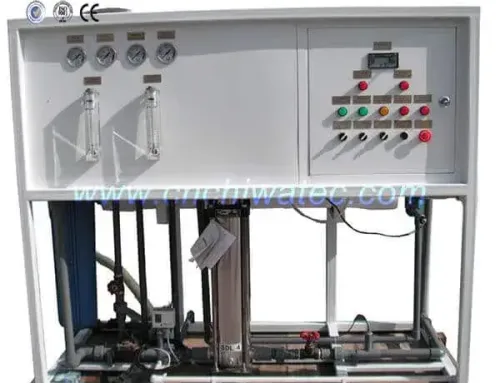
Core Components of RO Reverse Osmosis Equipment Systems
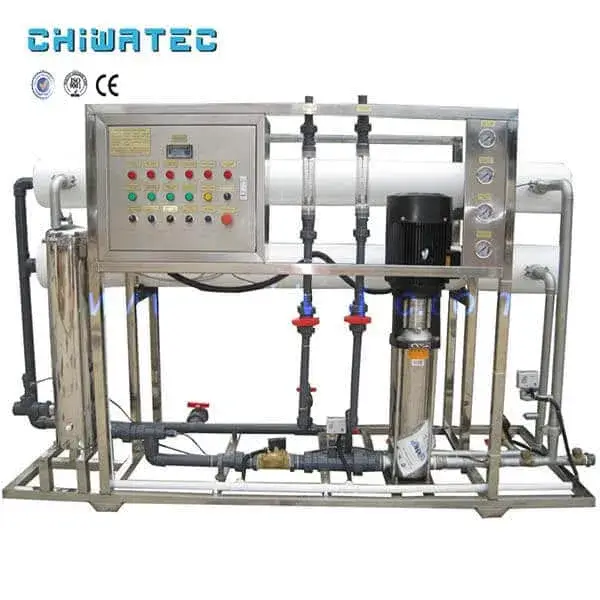
A complete Sistema de tratamiento de agua por ósmosis inversa consists of multiple integrated subsystems working together to achieve target water quality:
1. Pretreatment System
Protects RO membranes from fouling and scaling:
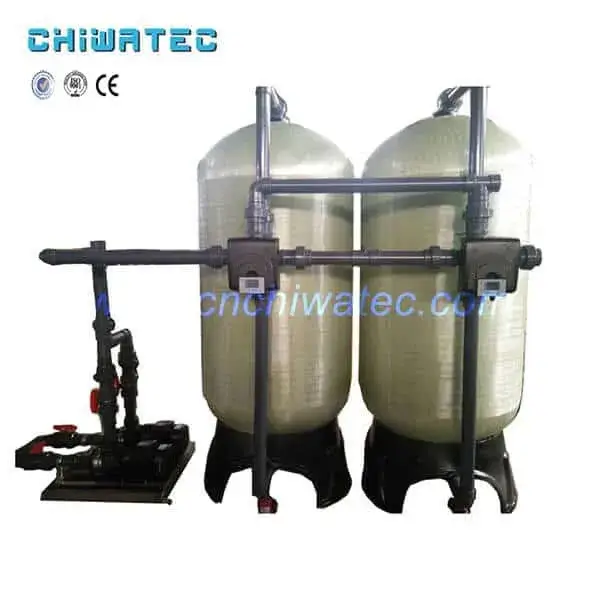
- Multimedia filtration: Removes suspended solids, turbidity, and particulate matter down to 20-50 microns
- Activated carbon filtration: Eliminates residual chlorine, chloramines, organic compounds, and taste/odor contaminants
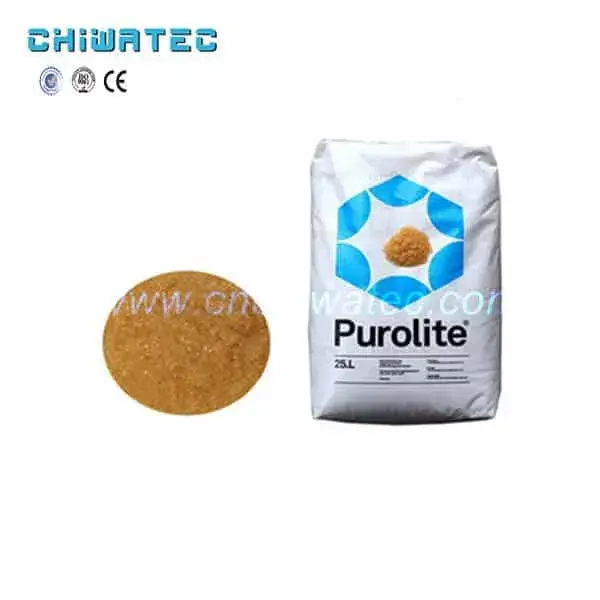
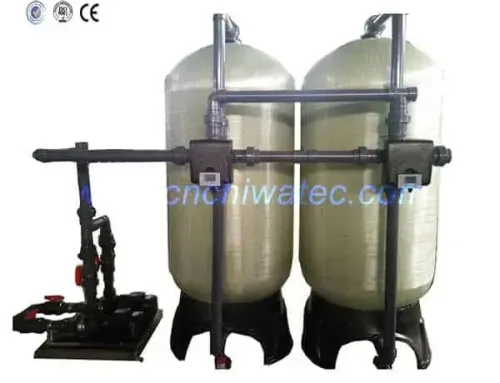
- ablandamiento del agua: Ion exchange removes calcium and magnesium hardness ions
- Antiscalant dosing: Chemical injection prevents calcium carbonate, calcium sulfate, and silica scaling
- Security filtration: 5-micron cartridge filters provide final particulate protection
2. High-Pressure Pumping System
Provides driving force for reverse osmosis separation:
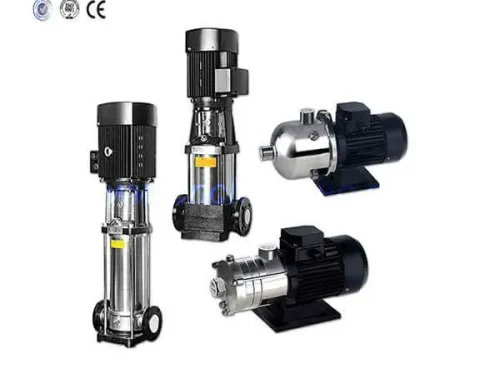
- Centrifugal multistage pumps: Stainless steel construction for corrosion resistance
- Variable frequency drives (VFD): Precise pressure control and energy optimization
- Operating pressure range: 150-225 psi for brackish water RO, 800-1000 psi for seawater RO
- Soft-start capability: Reduces mechanical stress and electrical inrush current
3. RO Membrane Array
Core separation element where desalination occurs:
- Thin-film composite (TFC) membranes: 99.5-99.8% salt rejection for monovalent ions
- Low-pressure membranes: Reduced energy consumption for brackish water applications
- Anti-fouling membranes: Enhanced surface smoothness reduces biofouling potential
- Membrane housing: FRP (fiberglass reinforced plastic) pressure vessels, 1-6 elements per vessel
- Array configuration: Single-stage, two-stage, or multi-stage arrangements
4. Post-Treatment and Polishing
Conditions permeate for final application requirements:
- pH adjustment: Stabilizes water chemistry for distribution
- Remineralization: Adds calcium and bicarbonate for corrosion control (potable applications)
- desinfección ultravioleta: 254nm wavelength for microbial inactivation
- TOC reduction: 185nm UV for organic carbon oxidation
- Degassing: Membrane contactors remove dissolved CO2 and oxygen
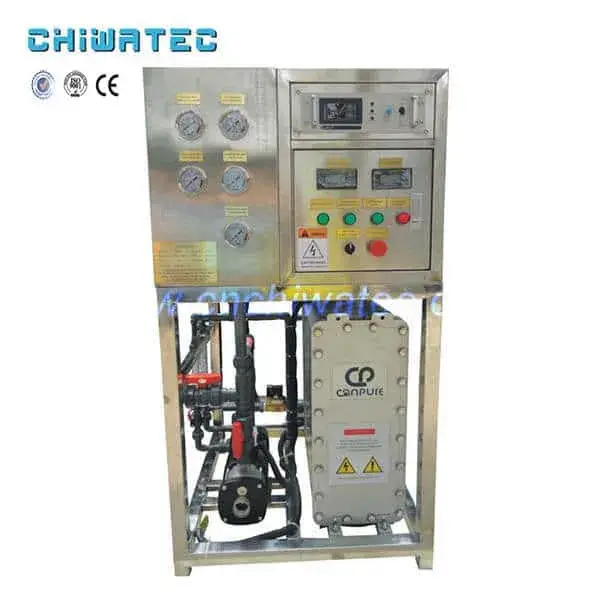
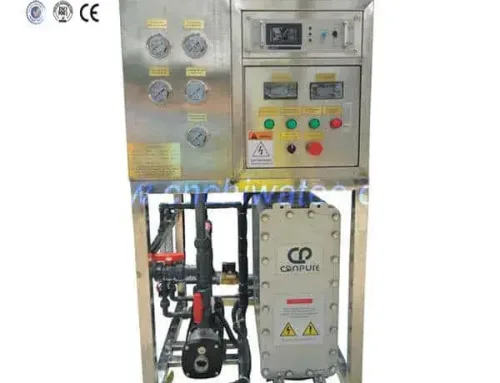
5. EDI (Electrodeionization) Module
Advanced polishing for ultrapure water production:
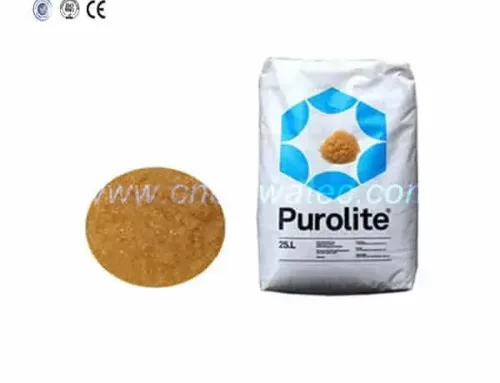
- Ion exchange resins: Mixed bed configuration for final ion removal
- Ion exchange membranes: Cation and anion selective membranes
- DC electrical field: Continuous ion migration and removal
- Chemical-free regeneration: Electrical regeneration eliminates acid/caustic usage
- Resistivity output: 15-18 MΩ·cm ultrapure water
6. Control and Instrumentation
Automated system monitoring and operation:
- PLC control system: Programmable logic controller for automated operation
- Flow meters: Feed, permeate, and concentrate flow monitoring
- Pressure gauges/transmitters: Inlet, interstage, and outlet pressure monitoring
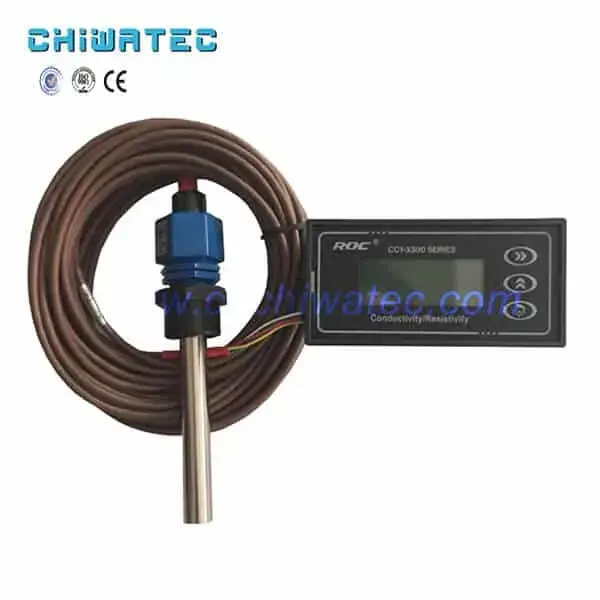
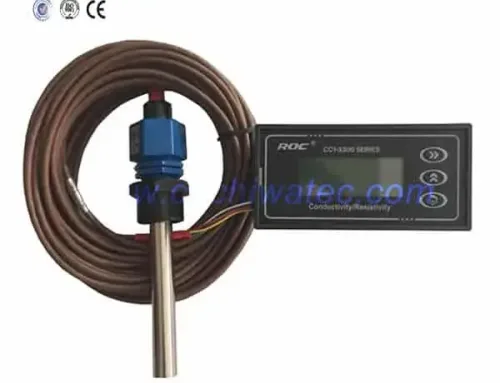
- Conductivity/TDS analyzers: Real-time water quality measurement
- Resistivity meters: Ultrapure water quality verification (0-20 MΩ·cm)
Typical Process Configurations for Ultrapure Water Systems
Modern ultrapure water manufacturing employs various process trains depending on feedwater quality and final application requirements:
Configuration 1: Standard Industrial Pure Water
Process Flow: Pretreatment → Reverse Osmosis → Purified Water Tank → Ion Exchanger → UV Lamp → Pure Water Pump → Water Point
Aplicaciones: General industrial processes, laboratory water, pharmaceutical purification
Water Quality: 1-10 MΩ·cm resistivity, suitable for most industrial applications
Configuration 2: Double-Pass RO System
Process Flow: Pretreatment → Primary Reverse Osmosis → Secondary Reverse Osmosis (positive charge RO membrane) → Purified Water Tank → Pure Water Pump → UV Lamp → Water Point
Aplicaciones: High-purity industrial water, electronics cleaning, pharmaceutical WFI pretreatment
Water Quality: 5-15 MΩ·cm resistivity, enhanced TOC removal
Configuration 3: RO plus EDI System
Process Flow: Pretreatment → Reverse Osmosis → Intermediate Water Tank → Intermediate Water Pump → EDI Device → Purified Water Tank → Pure Water Pump → UV Lamp → Water Point
Aplicaciones: Semiconductor manufacturing, integrated circuit production, high-pressure boiler feedwater
Water Quality: 15-18 MΩ·cm resistivity, chemical-free operation
Configuration 4: Advanced Ultrapure Water System
Process Flow: Pretreatment → UV Sterilization → First-Stage RO Device → Secondary RO Device → Intermediate Water Tank → EDI Device → Deoxidizer → Nitrogen-Sealed Pure Water Tank → TOC UV Removal Device → Polishing Mixed Bed → Ultrafiltration Device → Water Point
Aplicaciones: Semiconductor wafer fabrication, LCD panel manufacturing, advanced microelectronics
Water Quality: 18 MΩ·cm resistivity, TOC <5 ppb, particles <1 particle/mL (>0.1 μm)
RO System Performance Specifications
| Parámetro | Especificación |
|---|---|
| Water production capacity | 0.25 m3/hr minimum, unlimited upper scale (modular design) |
| Water recovery rate | 75%+ (brackish water), 40-50% (seawater) |
| Salt rejection rate | Greater than 98% (single pass), 99.5%+ (double pass) |
| Presión operacional | 150-225 psi (brackish), 800-1000 psi (seawater) |
| Feedwater temperature | 5-45°C (optimal: 20-25°C) |
| Feedwater pH range | 6.5-8.0 (continuous), 2-11 (cleaning) |
| Feedwater SDI | Less than 5.0 (ideally less than 3.0) |
| Feedwater chlorine | Less than 0.1 ppm (TFC membranes) |
| EDI output resistivity | 15-18 MΩ·cm at 25°C |
| System automation | Fully automatic PLC control with remote monitoring |
Key Advantages of Modern RO Equipment Systems
1. Advanced Technology and Reliability
- Imported components: Key equipment from established international brands (DOW, Hydranautics, Grundfos, Danfoss)
- Proven RO technology: Decades of field validation and continuous improvement
- Quality assurance: ISO 9001 manufacturing, CE certification, NSF compliance
- Reliable operation: 98%+ system availability with proper maintenance
2. Compact Design and Space Efficiency
- Skid-mounted construction: Pre-assembled modules for rapid installation
- Vertical configuration: Minimized footprint for space-constrained facilities
- Modular scalability: Easy capacity expansion through parallel trains
- 70-80% footprint reduction: Compared to traditional ion exchange systems
3. High Water Utilization and Energy Efficiency
- 75%+ recovery rate: Maximizes feedwater conversion to product water
- Energy recovery devices: Optional ERD for seawater applications (95%+ efficiency)
- VFD pump control: Matches energy input to actual demand
- Low-pressure membranes: 20-30% energy reduction for brackish water
4. Fully Automated Operation
- PLC-based control: Automated startup, operation, shutdown, and cleaning cycles
- Touch-screen HMI: Intuitive operator interface with real-time data display
- Remote monitoring: Cloud connectivity for off-site diagnostics and support
- Alarm and interlock: Automatic protection against abnormal conditions
5. Simple Operation and Maintenance
- Minimal operator intervention: Automated operation reduces labor requirements
- Quick membrane replacement: Side-loading or end-loading vessel design
- CIP (Clean-in-Place): Integrated cleaning system for membrane maintenance
- Comprehensive documentation: Operation manuals, maintenance schedules, troubleshooting guides
6. Environmental Benefits
- No chemical regeneration: EDI eliminates acid and caustic usage
- Reduced wastewater: Higher recovery rates minimize concentrate discharge
- Lower carbon footprint: Energy-efficient design reduces greenhouse gas emissions
- Sustainable operation: Long membrane life (5-7 years) reduces waste
Industrial Applications of RO Reverse Osmosis Equipment
1. Semiconductor and Electronics Manufacturing
- Ultrapure water for wafer fabrication: 18 MΩ·cm resistivity, TOC <5 ppb
- Integrated circuit production: Particle-free water for photolithography
- PCB manufacturing: Rinse water for etching and plating processes
- LCD panel production: High-purity water for substrate cleaning
2. Pharmaceutical and Biotechnology
- Purified Water (PW): USP/EP compliant water for pharmaceutical processes
- Water for Injection (WFI) pretreatment: RO plus EDI plus distillation
- Biopharmaceutical manufacturing: Cell culture media preparation
- Laboratory water: Type I, II, III laboratory pure water
3. Power Generation
- High-pressure boiler feedwater: Prevents scale and corrosion in steam generators
- Cooling tower makeup: Reduces blowdown and chemical treatment
- Gas turbine inlet air cooling: Demineralized water for fogging systems
- Flue gas desulfurization: Process water for scrubber systems
4. Food and Beverage Industry
- Process water: Ingredient water for beverages and food products
- Bottle rinsing: High-purity water for container cleaning
- CIP systems: Final rinse water for cleaning-in-place
- Steam generation: Boiler feedwater for food processing
5. Chemical and Petrochemical
- Process water: Feedwater for chemical reactions
- Cooling systems: Makeup water for heat exchangers
- Product washing: High-purity water for product purification
- Wastewater reuse: Zero liquid discharge applications
2026 Industry Trends in RO Equipment Technology
The reverse osmosis equipment industry continues advancing with focus on efficiency, sustainability, and digitalization:
Advanced Membrane Materials
- Graphene oxide membranes: 2-3x higher flux with equivalent salt rejection
- Biomimetic aquaporin membranes: Ultra-high permeability with precise selectivity
- Nanocomposite membranes: Enhanced fouling resistance and chlorine tolerance
- Low-fouling coatings: Zwitterionic and PEG-based surface modifications
Energy Optimization
- Isobaric ERD systems: 98%+ energy recovery for seawater RO
- High-efficiency pumps: Maglev and turbo pumps with 85%+ efficiency
- Solar-powered RO: Photovoltaic-direct systems for remote applications
- Hybrid RO-PRO: Pressure retarded osmosis for energy recovery from concentrate
Digital Transformation
- AI-powered optimization: Machine learning for predictive maintenance and performance optimization
- Digital twin technology: Virtual models for process simulation and operator training
- IoT sensor networks: Wireless monitoring of pressure, flow, conductivity, and temperature
- Cloud-based analytics: Remote performance tracking, benchmarking, and diagnostics
Sustainability Initiatives
- Zero liquid discharge (ZLD): 95-98% water recovery with crystallizer integration
- Brine mining: Resource recovery from concentrate (lithium, magnesium, rare earth)
- Membrane recycling: End-of-life element material recovery and reuse
- Carbon-neutral systems: Net-zero emissions through renewable energy integration
Conclusion: Selecting the Right RO Equipment System
RO reverse osmosis equipment systems have become the cornerstone of modern water purification, offering significant advantages over traditional ion exchange technologies:
- Superior water quality: Consistent production of high-purity water up to 18 MΩ·cm
- Chemical-free operation: EDI technology eliminates acid and caustic regeneration
- Compact footprint: 70-80% space reduction compared to conventional systems
- High efficiency: 75%+ water recovery with energy-optimized design
- Fully automated: PLC-based control with minimal operator intervention
- Scalable design: Modular configuration from 0.25 m3/hr to unlimited capacity
- Environmental sustainability: Reduced chemical usage, lower energy consumption, minimal waste
For industries requiring reliable, high-purity water—from semiconductor fabrication to pharmaceutical manufacturing—RO water treatment equipment provides a mature, proven solution. With typical salt rejection rates exceeding 98%, recovery rates above 75%, and fully automated operation, modern RO systems deliver consistent performance with minimal operational complexity.
Current system costs vary based on capacity and configuration, with standard industrial systems ranging from $50,000 to $500,000+ for large-scale installations. Operating costs typically range from $0.50 to $2.00 per m3 of product water, depending on feedwater quality and energy prices.
FAQ: RO Reverse Osmosis Equipment Systems
Q1: What is the typical water recovery rate for RO systems?
A: Standard RO systems achieve 75%+ water recovery for brackish water applications and 40-50% for seawater desalination. Recovery rate depends on feedwater quality, membrane configuration, and scaling potential. Higher recovery reduces wastewater but increases concentrate TDS and scaling risk.
Q2: How often do RO membranes need to be replaced?
A: RO membranes typically last 5-7 years with proper maintenance and optimal operating conditions. Aggressive feedwater, poor pretreatment, or frequent chemical cleaning can reduce lifespan to 3-4 years. Replace membranes when normalized salt passage increases 20-25% or normalized flux drops 25-30% despite cleaning.
Q3: What is the difference between RO and EDI?
A: RO (Reverse Osmosis) uses semi-permeable membranes and pressure to remove 95-99% of dissolved ions. EDI (Electrodeionization) combines ion exchange resins with ion-selective membranes and DC electricity to polish RO permeate to 15-18 MΩ·cm. RO is primary desalination; EDI is final polishing for ultrapure water.
Q4: Can RO remove bacteria and viruses?
A: Yes, RO membranes effectively remove bacteria (>99.9%) and viruses (>99%) due to their small pore size (0.0001 micron). However, RO systems for potable applications typically include UV disinfection as a final barrier to ensure complete microbial inactivation and prevent post-RO contamination.
Q5: What pretreatment is required for RO systems?
A: Essential pretreatment includes: multimedia filtration (turbidity removal), activated carbon (chlorine removal), water softening or antiscalant dosing (hardness control), and 5-micron security filtration. SDI must be less than 5.0, chlorine less than 0.1 ppm, and appropriate pH adjustment for optimal membrane performance.
Q6: How much does an RO water treatment system cost?
A: System costs vary by capacity and configuration. Small industrial systems (0.25-5 m3/hr): $50,000-$150,000. Medium systems (5-50 m3/hr): $150,000-$500,000. Large systems (50+ m3/hr): $500,000+. Operating costs range from $0.50-$2.00 per m3 including energy, membrane replacement, and maintenance.
Further Reading:
¿Tiene un proyecto de tratamiento de agua con el que podamos ayudar?
* Diseño, mecanizado, instalación, puesta en marcha, personalización y servicio integral
 Spanish
  English
  Portuguese