Electronics Factory Ultrapure Water Process: 5 Production Methods Compared 2026
Electronics factories require ultrapure water (UPW) with resistivity ranging from 15 MΩ·cm to 18.2 MΩ·cm for critical manufacturing processes such as wafer cleaning, PCB rinsing, and LCD panel production. Choosing the right electronics factory ultrapure water process directly impacts production yield, equipment lifespan, and operational cost. This guide compares five proven process flow methods — from traditional RO plus mixed bed to the latest RO-EDI configurations — helping you select the optimal UPW system for your electronics manufacturing facility. CHIWATEC provides customized ultrapure water equipment tailored to electronics factory requirements.
Why Electronics Factories Require Dedicated Ultrapure Water Process
Ultrapure water is the most widely used chemical in semiconductor and electronics manufacturing. Even trace contaminants — particles above 0.1 μm, dissolved solids, bacteria, or organic compounds — can cause short circuits, pinhole defects, or adhesion failure on sensitive electronic components. Electronics factories typically require UPW with:
- Resistivity: ≥18.2 MΩ·cm (theoretical maximum) for critical processes, ≥15 MΩ·cm for general cleaning
- TOC (Total Organic Carbon): ≤10 ppb for advanced nodes, ≤50 ppb for standard production
- Particle count: ≤1 particle/mL at 0.05 μm for Class 1 clean rooms
- Bacteria: ≤1 CFU/100 mL, typically achieved with UV sterilization
5 Electronics Factory Ultrapure Water Process Methods Compared
Below is a comprehensive comparison of the five main ultrapure water process flows used in electronics factories, covering both traditional and the latest technology approaches.
| Method | Process Flow | Target Resistivity | Technology Type | Best For |
|---|---|---|---|---|
| Method 1 | Pretreatment → RO → Mixed Bed (Coarse + Fine) → UV → Polishing Mixed Bed → Precision Filter | ≥18 MΩ·cm | Traditional | Mature installations, easy maintenance |
| Method 2 | Pretreatment → RO → EDI → UV → Polishing Mixed Bed → 0.2 μm Precision Filter | ≥18 MΩ·cm | Latest | High-purity production, no chemical regeneration |
| Method 3 | Pretreatment → Stage 1 RO → pH Dosing → Stage 2 RO (charged membrane) → EDI → UV → 0.2 μm Precision Filter | ≥17 MΩ·cm | Latest | High-recovery, challenging feed water |
| Method 4 | Pretreatment → RO → EDI → UV → 0.2 μm Precision Filter | ≥15 MΩ·cm | Latest | General cleaning, cost-effective UPW |
| Method 5 | Pretreatment → RO → Mixed Bed (Coarse + Fine) → UV → Precision Filter | ≥15 MΩ·cm | Traditional | Low-budget, established facility upgrades |
Traditional RO Plus Mixed Bed Ion Exchange for Electronics Factory UPW
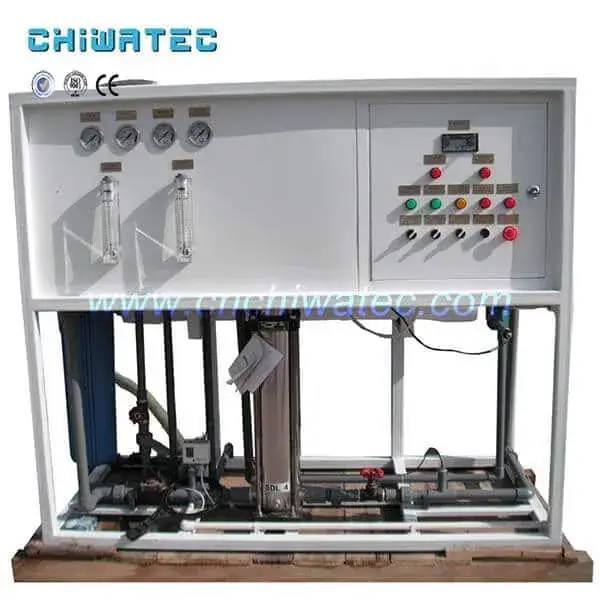
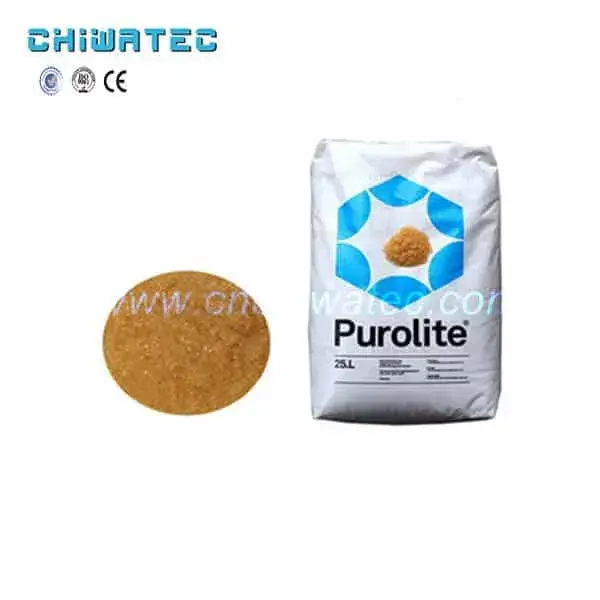
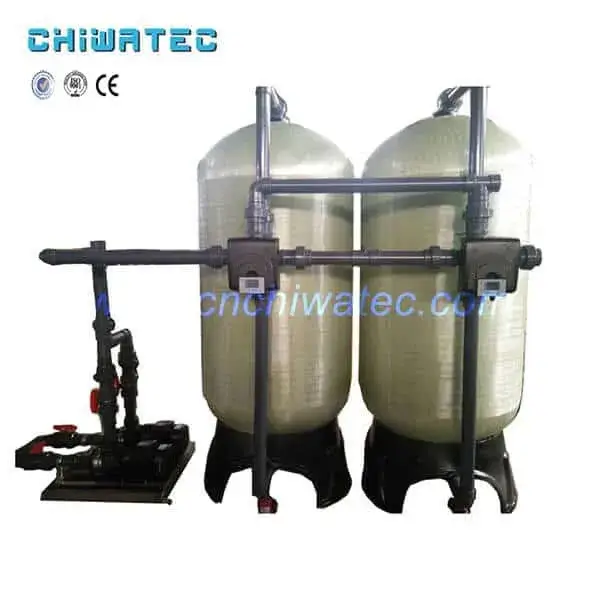
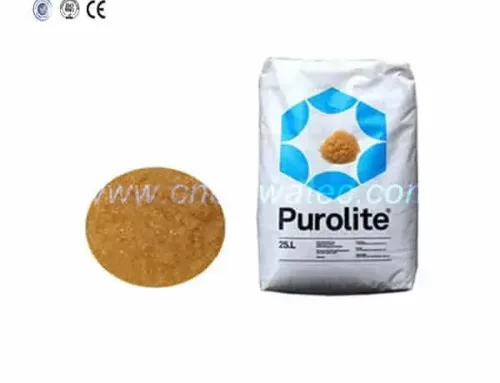
Methods 1 and 5 represent the traditional electronics factory ultrapure water process based on reverse osmosis combined with mixed bed ion exchange. RO removes 95-99% of dissolved salts, then mixed bed ion exchange resins polish the water to ultra-high resistivity. Method 1 uses both coarse and fine mixed beds plus a polishing mixed bed to reach ≥18 MΩ·cm, while Method 5 omits the polishing stage for ≥15 MΩ·cm output.
Key characteristics:
- Proven technology with decades of operational history in electronics manufacturing
- Mixed bed regeneration requires periodic chemical (HCl + NaOH) handling and waste neutralization
- Operating cost is influenced by chemical consumption and resin replacement frequency
- Suitable for facilities with existing chemical handling infrastructure
RO Plus EDI Technology for Ultrapure Water in Electronics Manufacturing
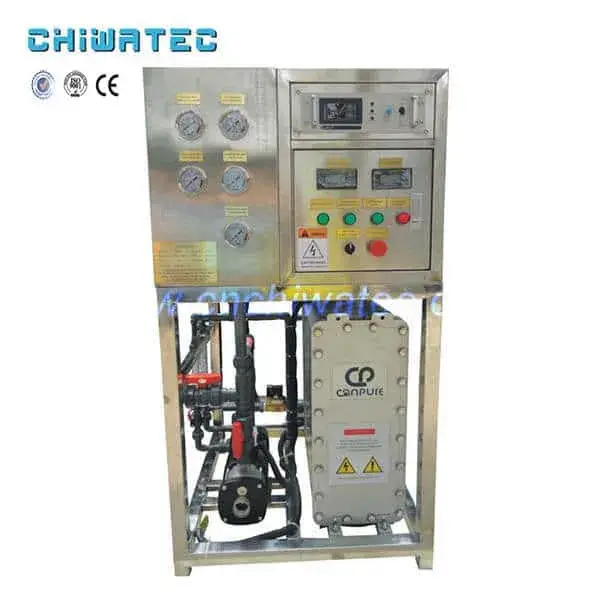
Methods 2, 3, and 4 replace the chemical regeneration step with Electrodeionization (EDI), a continuous, chemical-free polishing technology. EDI uses ion exchange membranes, ion exchange resins, and a DC electrical field to continuously remove dissolved ions without acid or caustic regeneration.
Advantages over traditional mixed bed:
- No chemical regeneration — eliminates HCl, NaOH handling and storage
- Continuous operation — no regeneration downtime, consistent water quality 24/7
- Lower operating cost — reduced chemical, labor, and waste disposal expenses
- Compact footprint — EDI stacks require less space than multiple mixed bed vessels
| Component | Función | Specification for Electronics |
|---|---|---|
| Pretreatment System | Remove suspended solids, chlorine, hardness | SDI ≤ 3, free chlorine ≤ 0.1 ppm |
| Osmosis inversa | Primary desalination, 95-99% salt rejection | Thin-film composite membranes, 150-300 psi |
| EDI Module | Continuous deionization without chemicals | Product resistivity ≥ 16-18 MΩ·cm |
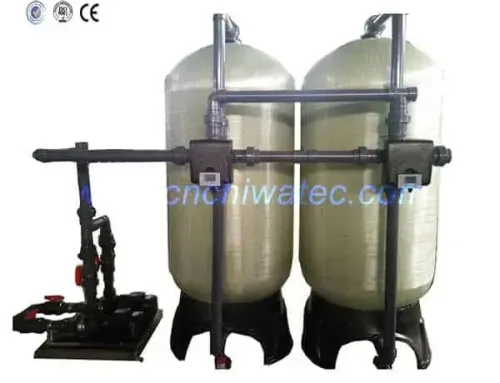
| Mixed Bed Ion Exchanger | Polishing to maximum resistivity | Cation + anion resin, in-situ regeneration |
| Esterilizador ultravioleta | Bacteria deactivation, TOC reduction | 185 nm + 254 nm dual wavelength |
| Precision Filter | Final particle removal | 0.1-0.2 μm absolute rating |
Selection Guide: Choosing the Best Electronics Factory UPW Configuration
Choosing between five possible process flows depends on your factory’s specific requirements:
- Required resistivity: For 18.2 MΩ·cm production, choose Method 1 (traditional) or Method 2 (EDI with polishing mixed bed). For 15 MΩ·cm general cleaning, Methods 4 or 5 are cost-effective.
- Chemical handling policy: Factories eliminating hazardous chemicals should select EDI-based methods (2, 3, or 4). Facilities with existing chemical infrastructure may prefer the lower capital cost of mixed bed (Methods 1 or 5).
- Feed water quality: Challenging feed water with high TDS or variable quality benefits from two-stage RO with pH adjustment (Method 3).
- Operational continuity: EDI systems run continuously without regeneration cycles, ideal for 24/7 electronics production lines.
- Total cost of ownership: Factor in chemical costs, resin replacement, EDI stack lifespan (typically 5-8 years), and labor for regeneration.
CHIWATEC offers complete engineering support to evaluate your feed water, define target water quality, and design the optimal electronics factory ultrapure water process for your specific manufacturing environment.
Frequently Asked Questions
What is the best electronics factory ultrapure water process for 18.2 MΩ·cm resistivity?
For 18.2 MΩ·cm, Method 2 (Pretreatment → RO → EDI → UV → Polishing Mixed Bed → 0.2 μm Precision Filter) is the recommended approach. It combines EDI’s chemical-free operation with a polishing mixed bed to achieve theoretical maximum resistivity. Method 1 (RO + coarse/fine mixed bed + polishing mixed bed) also delivers ≥18 MΩ·cm with proven reliability for existing plants.
How does EDI differ from mixed bed ion exchange in electronics factory ultrapure water systems?
EDI uses electrical current to continuously regenerate ion exchange resins within the module, eliminating the need for acid and caustic chemicals required by conventional mixed bed regeneration. EDI operates at 90-95% water recovery versus 85-90% for mixed bed, and produces consistently high resistivity water without the resistivity dip during regeneration cycles.
What resistivity level does a typical electronics factory ultrapure water process require?
Resistivity requirements vary by application: semiconductor wafer fabrication requires ≥18.2 MΩ·cm, LCD panel production typically needs ≥17 MΩ·cm, PCB cleaning operates at ≥15 MΩ·cm, and general electronics component rinsing may use ≥10 MΩ·cm. Always verify against your specific process specification and industry standard.
Can I upgrade an existing mixed bed system to EDI technology?
Yes. Existing RO + mixed bed systems can be retrofitted by replacing the coarse and fine mixed bed vessels with EDI modules and adding appropriate power supplies and control systems. The retrofit typically reduces operating costs by 30-50% through eliminated chemical purchases and reduced labor for regeneration. Feed water conductivity must be below 40 μS/cm for EDI to operate effectively.
What maintenance is required for an electronics factory ultrapure water process?
RO membranes need periodic cleaning (every 3-6 months depending on feed water), EDI stacks require minimal maintenance beyond monitoring voltage and flow, and mixed bed resins need regeneration when resistivity drops below setpoint. UV lamps should be replaced annually, and precision filter cartridges replaced every 3-6 months. A well-maintained system operates reliably for 15-20 years.
Conclusion & Call to Action
Selecting the correct electronics factory ultrapure water process is a critical decision that affects water quality, operating cost, and production reliability. The five process methods presented offer options for every combination of purity requirement, budget, and operational preference. CHIWATEC designs, manufactures, and commissions custom ultrapure water systems for electronics factories worldwide, delivering turnkey solutions from pretreatment to final polishing.
Contact our engineering team to discuss your specific electronics ultrapure water requirements:
Correo electrónico: [email protected] o [email protected]
Related Resources and Further Reading
- Flujo de proceso de equipos de agua ultrapura de semiconductores
- Flujo de proceso de equipos de agua ultrapura en la industria de galvanoplastia
- Comprehensive Guide to Ultrapure Water Equipment Process Flow
- Laboratory Ultrapure Water Equipment Process: Complete Guide
- Ultrapure Water Purification System for Electronics Industry
¿Tiene un proyecto de tratamiento de agua con el que podamos ayudar?
* Diseño, mecanizado, instalación, puesta en marcha, personalización y servicio integral
¿Tiene un proyecto de tratamiento de agua con el que podamos ayudar?
* Diseño, mecanizado, instalación, puesta en marcha, personalización y servicio integral
 Spanish
  English
  Portuguese