Overview and Process Comparison of Ultrapure Water for the Electronics Industry
Learn how ultrapure water is produced for the electronics industry, including semiconductor, IC, LCD, PCB, and optoelectronic manufacturing. This guide compares traditional ion exchange, RO + ion exchange, and RO + EDI processes, helping you understand the most efficient and environmentally friendly method for producing ultrapure water for the electronics industry.
Introduction
The electronics and semiconductor industries depend heavily on high-purity and ultrapure water (UPW) to manufacture high-precision components. From semiconductor wafers to integrated circuits, LCD panels, PCB boards, optoelectronic components, and microelectronic devices, ultrapure water is used in nearly every cleaning, rinsing, and processing step.
As circuit integration density increases, the requirement for water purity becomes more stringent. In China, the Ministry of Electronics Industry classifies electronic-grade water quality into five levels based on resistivity:
- 18 MΩ·cm
- 15 MΩ·cm
- 10 MΩ·cm
- 2 MΩ·cm
- 0.5 MΩ·cm
Higher integration levels—such as large-scale and ultra-large-scale ICs—demand the highest water purity (15–18 MΩ·cm).
1. Why Ultrapure Water is Critical for Electronics Manufacturing
Ultrapure water is considered the “blood” of the semiconductor industry because:
- It contains almost zero ions, TOC, particulates, bacteria, and silica.
- It prevents defects during wafer etching, photolithography, CMP, and polishing.
- It ensures consistent electrical properties of microelectronic circuits.
- It supports high-yield manufacturing by eliminating ionic contamination.
Because modern semiconductor production involves hundreds of cleaning steps, UPW consumption per wafer continues to rise.
2. Common Ultrapure Water Preparation Technologies
Modern ultrapure water systems often combine mechanical filtration, ion exchange, reverse osmosis (RO), and electrodeionization (EDI). Below is an overview of the three mainstream process routes.
Process Route 1: Traditional Ion Exchange Resin System
Process Flow
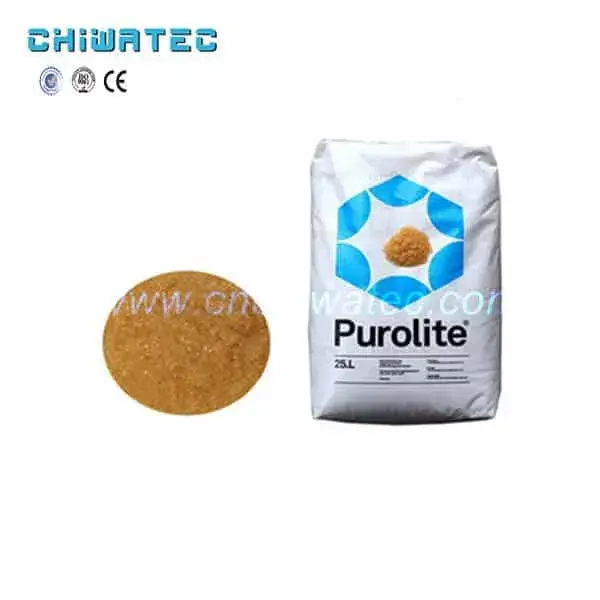
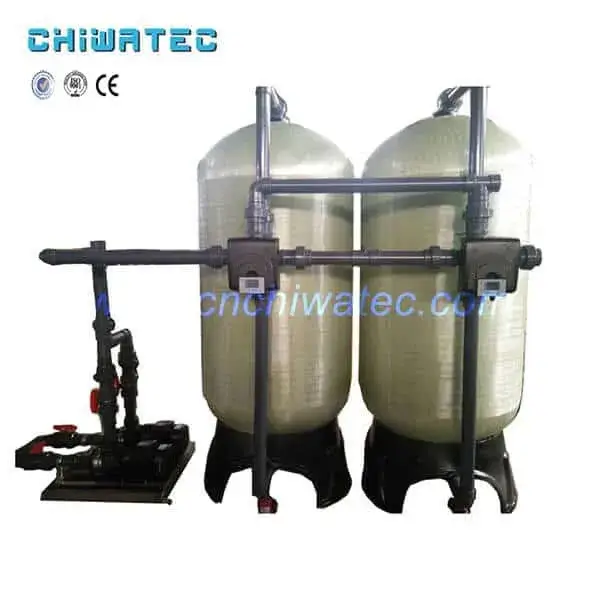
Raw water → Sand & carbon filter → Precision filter → Raw water tank → Cation exchange (positive bed) → Anion exchange (negative bed) → Mixed bed → Pure water tank → Pure water pump → Final filter → Point of use
Advantages
- Low initial equipment investment
- Compact system footprint
- Simple operation
Desventajas
- Requires frequent resin regeneration
- Heavy consumption of acid and alkali
- Generates environmentally harmful wastewater
- Higher long-term operating cost
Traditional ion exchange is becoming obsolete for high-purity water due to environmental and sustainability issues.
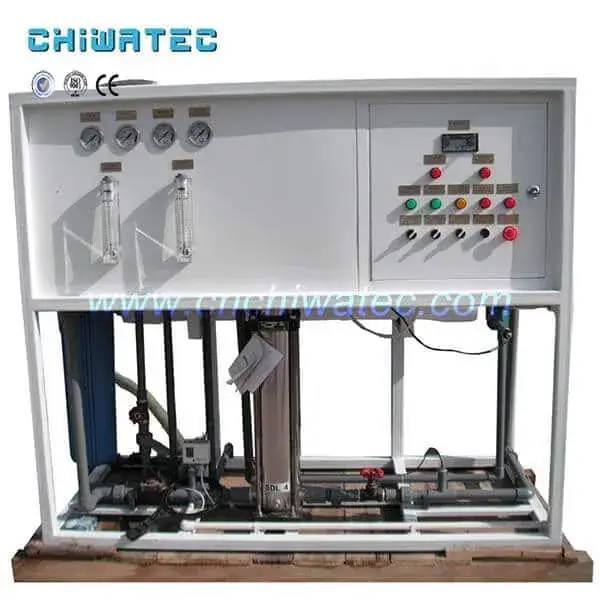
Process Route 2: Reverse Osmosis + Ion Exchange Resin
Process Flow
Raw water → Sand & carbon filter → Precision filter → Raw water tank → Reverse osmosis (RO) → Mixed bed (ion exchange) → Pure water tank → Pure water pump → Final filter → Point of use
Advantages
- Lower chemical consumption compared to full ion exchange
- Longer regeneration cycles
- RO removes 95–99% of dissolved ions and organics
- Better water quality stability
Desventajas
- Still requires acid and alkali regeneration
- Still produces regeneration wastewater
- Higher capital cost than Process 1
This method is commonly used in mid-level electronics applications but is gradually being replaced by RO + EDI systems.
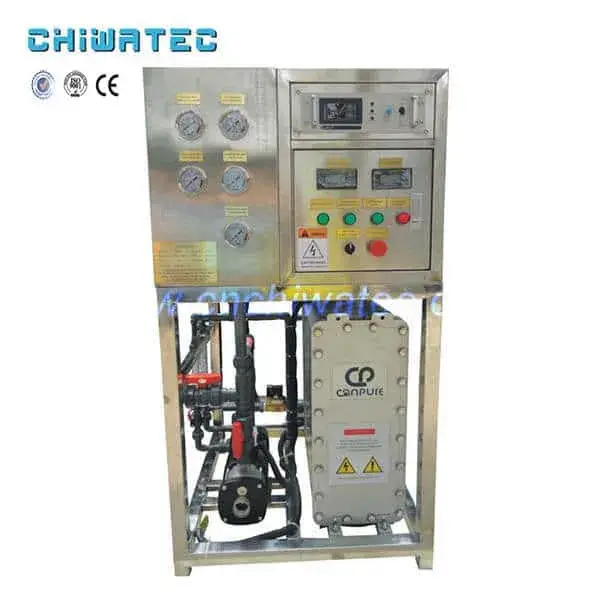
Process Route 3: Reverse Osmosis + Electrodeionization (EDI)
(Modern, efficient, environmentally friendly)
Process Flow
Raw water → Sand & carbon filter → Precision filter → Raw water tank → Reverse osmosis (RO) → sistema EDI → Pure water tank → Pure water pump → Final precision filter → Point of use
Advantages
No chemical regeneration (no acid or alkali needed)
Environmentally friendly—zero chemical discharge
Continuous production of ultrapure water
Lower operating cost over system lifetime
Stable resistivity ≥ 15–18 MΩ·cm
Small footprint and easy to automate
Desventajas
- Higher initial equipment investment
- Requires stable feedwater quality (typically two-stage RO pre-treatment)
Despite higher upfront cost, RO + EDI is now regarded as the best and most sustainable technology for producing ultrapure water in modern semiconductor and electronics factories.
3. Comparison of the Three Ultrapure Water Preparation Processes
| Feature | Ion Exchange Resin | RO + Ion Exchange | RO + EDI |
|---|---|---|---|
| Initial Cost | Low | Medium | High |
| Operating Cost | High (chemicals) | Medium | Low |
| Environmental Impact | Poor | Medium | Excellent (no chemicals) |
| Water Quality Stability | Moderate | High | Very High |
| Automation Level | Low | Medium | High |
| Maintenance | Frequent | Moderate | Low |
| Suitability for Semiconductor Industry | Low | Medium | Very High |
RO + EDI has become the mainstream choice for producing ultrapure water in the electronics industry due to its excellent sustainability, reliability, and long-term cost advantages.
Conclusión
With the rapid evolution of semiconductor and microelectronics manufacturing, the demand for stable, high-resistivity ultrapure water continues to grow.
Among the three main process routes for preparing ultrapure water:
- Traditional ion exchange is outdated and environmentally harmful.
- RO + ion exchange is an improvement but still requires chemical regeneration.
- RO + EDI stands out as the most advanced, economical, and eco-friendly solution, offering continuous operation, consistent 15–18 MΩ·cm water quality, and low operating costs.
For modern electronics factories—especially those producing integrated circuits, semiconductor wafers, and optoelectronic components—RO + EDI ultrapure water systems are now the industry standard.
FAQ (Frequently Asked Questions)
1. What is considered “ultrapure water” in the electronics industry?
Ultrapure water is water with minimal ions, organics, microorganisms, particles, and silica, typically with resistivity ≥ 15–18 MΩ·cm.
2. Why do semiconductor factories need ultrapure water?
Modern wafer fabrication requires hundreds of cleaning steps. Even trace impurities can cause circuit defects, making ultrapure water essential for high production yield.
3. Which ultrapure water preparation method is the most environmentally friendly?
los RO + EDI process, because it eliminates chemical regeneration and produces no acid/alkali wastewater.
4. Why is EDI preferred over traditional mixed-bed ion exchange?
- No chemicals required
- Continuous regeneration
- Lower maintenance
- More stable water quality
- Better for the environment
5. Does EDI require reverse osmosis as a pretreatment?
Yes. EDI requires low hardness, low TDS, and low organic content; therefore, most systems use single or double-stage RO before the EDI module.
6. What industries use ultrapure water?
- Semiconductor and IC manufacturing
- LCD and LED production
- PCB manufacturing
- Optoelectronics
- Precision instruments
- Pharmaceutical and biochemical labs
Xian CHIWATEC Water Treatment Technology es una empresa de alta tecnología especializada en varios dispositivos de procesamiento de agua. Aparte de estos productos individuales, que cubren una serie de tipos y series, también podemos ayudar con proyectos de ingeniería integrales relacionados. Gracias a nuestro arduo trabajo y dedicación desde nuestra fundación, ahora somos uno de los fabricantes de equipos de tratamiento de agua de más rápido desarrollo en el oeste de China.
Otras lecturas:
- ¿Cuál es el proceso de utilización de agua ultrapura en la industria farmacéutica?
- ¿Cuál es la diferencia entre agua pura y agua ultrapura?
- Introducción de equipos industriales de agua ultrapura
- Characteristics of ultrapure water equipment for cleaning
- Application and preparation of pure water ultrapure water
SÍGANOS
¿Tiene un proyecto de tratamiento de agua con el que podamos ayudar?
* Diseño, mecanizado, instalación, puesta en marcha, personalización y servicio integral
 Spanish
  English
  Portuguese