

Industrial Wastewater Classification & Treatment Methods: Complete Guide 2026
Introduction to Industrial Wastewater Management
Industrial wastewater refers to waste water, sewage, and waste liquid produced during industrial production processes, containing industrial production materials, intermediate products, and pollutants generated throughout manufacturing. According to the Global Water Intelligence (GWI) 2026 report, the global industrial wastewater treatment market is valued at USD 87.3 billion in 2026, with a projected CAGR of 6.8% through 2030, driven by stricter environmental regulations and sustainable manufacturing initiatives.
Effective industrial wastewater treatment is critical for environmental compliance, resource conservation, and sustainable industrial operations. This comprehensive guide covers wastewater classification, treatment methodologies, and industry best practices for 2026.
Industrial Wastewater Classification Systems
Industrial wastewater is systematically categorized using three primary classification frameworks, each serving different regulatory and treatment purposes:
Classification by Chemical Properties of Pollutants
Inorganic Wastewater: Primarily contains inorganic pollutants such as heavy metals, acids, alkalis, and salts. Examples include electroplating wastewater and mineral processing effluent. These require specialized treatment for metal recovery and pH neutralization.
Organic Wastewater: Contains organic pollutants from biological or synthetic sources. Food processing, petroleum refining, and pharmaceutical manufacturing typically generate organic wastewater requiring biological treatment processes.
Classification by Industry Sector and Processing Objects
Wastewater characteristics vary significantly across industries:
- Metallurgical Wastewater: Contains heavy metals, suspended solids, and oil
- Papermaking Wastewater: High in organic matter, suspended fibers, and chemicals
- Coking Gas Wastewater: Contains phenols, cyanides, and ammonia nitrogen
- Textile Printing and Dyeing Wastewater: Characterized by high color, organic load, and variable pH
- Tanning Wastewater: Contains chromium, sulfides, and organic matter
- Pesticide Wastewater: Toxic organic compounds requiring advanced oxidation
- Power Station Wastewater: Thermal pollution and chemical treatment residuals
Classification by Pollutant Components
Specific pollutant-based classification enables targeted treatment approaches:
- Acid/Alkaline Wastewater: Requires pH adjustment and neutralization
- Cyanide/Chromium/Cadmium/Mercury Wastewater: Toxic heavy metals requiring specialized removal
- Phenol/Aldehyde Wastewater: Organic compounds needing biological or chemical oxidation
- Oily Wastewater: Requires oil-water separation and emulsion breaking
- Sulfur-containing Wastewater: Needs sulfide oxidation or precipitation
- Organic Phosphorus Wastewater: Requires advanced chemical treatment
- Radioactive Wastewater: Specialized handling and long-term containment
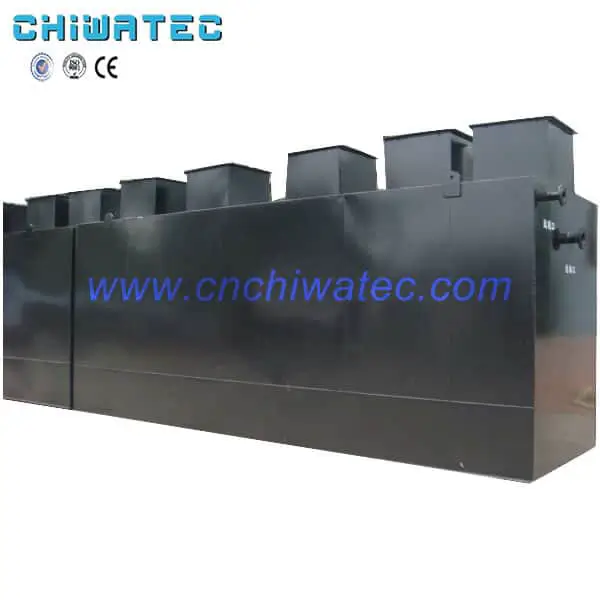
Wastewater Treatment Methods by Principle
Physical Treatment Methods
Physical treatment utilizes physical actions to separate suspended pollutants from wastewater without changing pollutant chemical properties:
- Sedimentation: Gravity-based separation of suspended solids
- Filtration: Physical barrier removal of particles
- Flotation: Air bubble-assisted separation of oils and light solids
- Centrifugation: High-speed separation by density differences
- Membrane Separation: Ultrafiltration, microfiltration, and reverse osmosis
Chemical and Physicochemical Methods
Chemical treatment employs chemical reactions to transform or remove pollutants:
- Coagulation/Flocculation: Chemical aggregation of colloidal particles
- Neutralization: pH adjustment using acids or alkalis
- Oxidation/Reduction: Chemical transformation of pollutants (e.g., ozone, chlorine, Fenton reagent)
- Precipitation: Chemical conversion to insoluble compounds for removal
- Ion Exchange: Selective removal of specific ions
Biological Treatment Methods (Biochemical)
Biological treatment leverages microorganisms to degrade organic pollutants:
- Aerobic Treatment: Activated sludge, biofilters, and oxidation ponds using oxygen-dependent bacteria
- Anaerobic Treatment: UASB, anaerobic digesters for high-strength organic wastewater
- Anoxic Treatment: Denitrification processes for nitrogen removal
- MBR (Membrane Bioreactor): Combined biological treatment with membrane filtration
- MBBR (Moving Bed Biofilm Reactor): Attached growth systems with high biomass concentration
Treatment Levels and Standards 2026
Primary Treatment (Preliminary Treatment)
Primary treatment removes settleable solids and floating materials through physical processes. Typical removal rates: 50-70% suspended solids, 25-40% BOD. This stage includes screening, grit removal, and sedimentation.
Secondary Treatment (Biological Treatment)
Secondary treatment targets dissolved and colloidal organic matter through biological processes. Modern systems achieve 85-95% BOD and COD removal. Common technologies include activated sludge, trickling filters, and MBBR systems.
Tertiary Treatment (Advanced/Deep Treatment)
Tertiary treatment provides polishing for specific discharge requirements or water reuse applications. Technologies include:
- Advanced Filtration: Sand filters, membrane filtration
- Nutrient Removal: Enhanced biological or chemical phosphorus and nitrogen removal
- Disinfection: UV, chlorination, or ozonation for pathogen control
- Advanced Oxidation: For trace organic compound removal
- Carbon Adsorption: Activated carbon for color and micropollutant removal
2026 Industry Trends and Regulatory Landscape
Key Market Drivers
- Stricter Environmental Regulations: Global discharge standards tightening, with EU Industrial Emissions Directive and China’s Water Pollution Prevention Law setting comprehensive limits
- Water Scarcity Pressures: Industrial water reuse rates increasing to 40-60% in water-stressed regions
- Circular Economy Initiatives: Resource recovery from wastewater (energy, nutrients, metals) becoming standard practice
- Digital Transformation: Smart monitoring, AI-driven optimization, and predictive maintenance reducing operational costs by 15-25%
Performance Benchmarks (2025-2026)
- Typical COD removal efficiency: 90-98% for combined systems
- Energy consumption: 0.3-0.8 kWh per cubic meter treated
- Water reuse rates: 30-70% depending on industry and technology
- Sludge production: 0.3-0.6 kg dry solids per kg COD removed
Conclusión
Industrial wastewater management in 2026 demands integrated approaches combining proper classification, appropriate treatment technology selection, and compliance with evolving environmental standards. Understanding wastewater characteristics through systematic classification enables optimal treatment process design, ensuring efficient pollutant removal while minimizing operational costs and environmental impact.
As industries face increasing pressure to reduce water consumption and achieve zero liquid discharge (ZLD) goals, advanced treatment technologies and resource recovery strategies will continue to gain prominence. Partnering with experienced wastewater treatment solution providers ensures access to cutting-edge technologies and regulatory expertise.
Xi’an CHIWATEC Water Treatment Technology is a high-tech enterprise specialized in various water processing devices and comprehensive wastewater treatment engineering projects. We provide customized solutions for diverse industrial wastewater challenges, from pretreatment to advanced tertiary treatment and water reuse systems.
Further Reading
¿Tiene un proyecto de tratamiento de agua con el que podamos ayudar?
* Diseño, mecanizado, instalación, puesta en marcha, personalización y servicio integral






 Spanish
  English
  Portuguese




