Reverse Osmosis Pure Water Machine Usage: Complete Guide to Operation and Maintenance 2026
Mastering reverse osmosis pure water machine usage is essential for ensuring consistent water quality, extending equipment lifespan, and maximizing return on investment. Whether you operate a residential RO system, a commercial pure water machine, or an industrial-grade installation, proper operation and maintenance practices directly impact performance and reliability. This comprehensive guide by Xi’an CHIWATEC covers everything from startup procedures and daily operation to preventative maintenance scheduling and troubleshooting common issues.
* Last Updated: May 2026
Why This Guide Matters
The global reverse osmosis membrane market was valued at approximately USD 9.2 billion in 2024 and is expected to reach USD 15.8 billion by 2032, growing at a CAGR of 7.0% according to industry reports. Proper reverse osmosis pure water machine usage can extend membrane life from the typical 2-3 years to 4-5 years or more, reducing replacement costs by 30-50%. With RO systems now installed in over 15% of US households and the majority of pharmaceutical, food and beverage, and electronics manufacturing facilities, understanding correct operation has significant economic and quality implications.
Key Industry Trends (2026 Update)
- IoT-Enabled Remote Monitoring: Over 40% of new industrial and commercial RO systems shipped in 2025-2026 feature IoT sensors that monitor pressure, flow rate, conductivity, and temperature in real time, reducing unplanned downtime by up to 60% through predictive maintenance alerts.
- Low-Energy Membrane Technology: New-generation low-energy RO membranes require 25-35% less operating pressure (typically 100-120 psi instead of 150-200 psi for traditional membranes), reducing electricity consumption by up to 30% while maintaining equivalent salt rejection of 99.0-99.5%.
- Water Efficiency and Zero Liquid Discharge: Regulatory pressure and water scarcity concerns are driving adoption of high-recovery RO systems achieving 75-85% recovery rates (versus 50-70% for standard systems) and ZLD configurations that eliminate brine discharge entirely.
- Automated Cleaning-In-Place (CIP) Systems: Built-in automated CIP systems have become standard on premium RO equipment, enabling membrane cleaning without disassembly, reducing labor costs by 50-70% and maintaining consistent flux rates throughout the membrane lifespan.
1. Understanding Your Reverse Osmosis Pure Water Machine: System Overview
Basic Operating Principles
A máquina de agua pura de ósmosis inversa operates by applying pressure to feed water, forcing it through a semi-permeable membrane that rejects dissolved solids, organic compounds, bacteria, and viruses. The purified water (permeate) is collected for use, while the concentrated reject stream (concentrate) is discharged to drain. Understanding this fundamental principle is the foundation of proper reverse osmosis pure water machine usage.
Key Components to Know
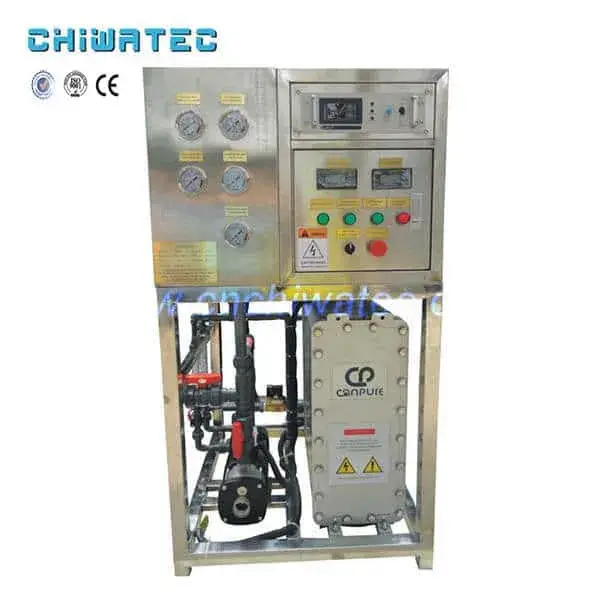
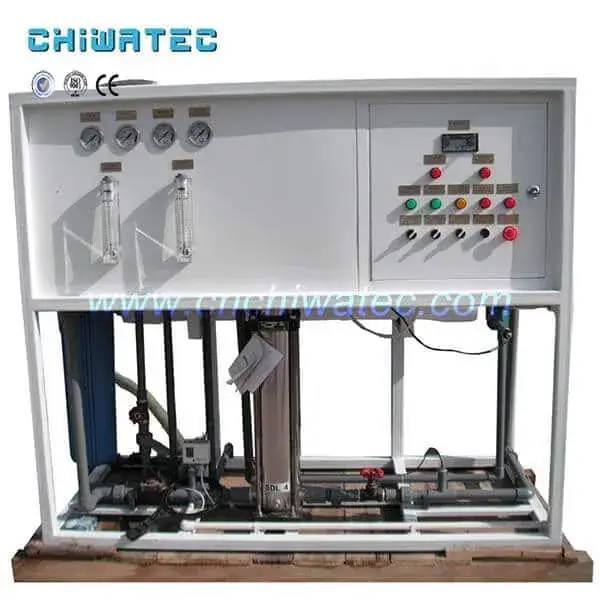
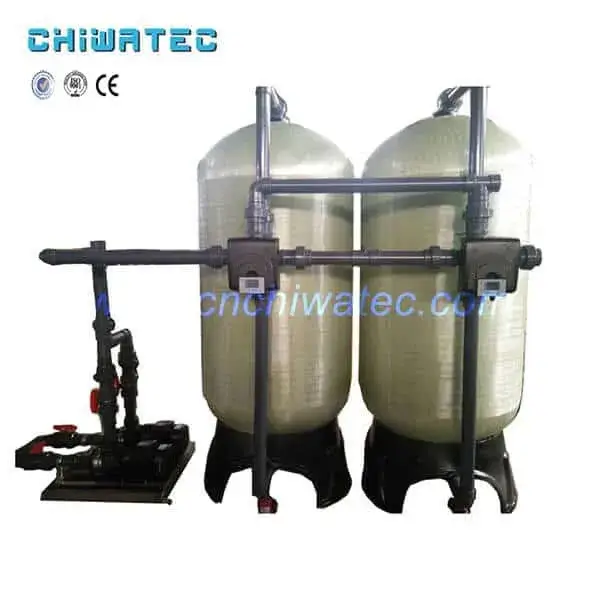
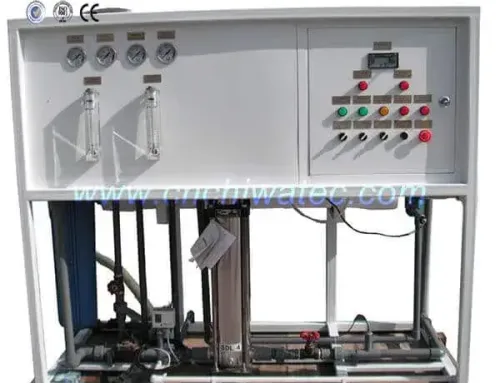
Every RO system includes five essential subsystems: the pre-treatment assembly (sediment filter, activated carbon filter, and antiscalant dosing), the high-pressure pump, the RO membrane vessel(s), the flow control system (concentrate valve, flow meters, pressure gauges), and the post-treatment stage (polishing DI, UV sterilization, or remineralization). Familiarizing yourself with each component’s function and normal operating parameters is the first step toward proper operation. Explore our complete line of RO water treatment systems for more detailed specifications.
2. Startup Procedure: Proper Initial Operation
Pre-Startup Checklist
Before starting your máquina de agua pura de ósmosis inversa, follow this critical sequence: (1) Verify all pre-filters are properly installed and have not exceeded their service life, (2) Open the feed water supply valve fully, (3) Open the concentrate (reject) valve completely, (4) Slowly open the permeate valve to 50% position, (5) Check that all drain lines are clear and unobstructed. Never start the system with the concentrate valve closed, as this can cause instantaneous pressure spikes exceeding 300 psi, permanently damaging the membrane.
First-Time Startup
For new installations or after membrane replacement, flush the system with feed water for 30-60 minutes with the permeate diverted to drain. This removes preservative solutions (typically sodium metabisulfite or formaldehyde) from new membranes and any loose debris from plumbing. Monitor the permeate conductivity during flushing — it should drop from initial values of 100-500 microsiemens per centimeter to below 20 microsiemens per centimeter for a properly functioning membrane.
3. Daily Operation and Monitoring
Critical Parameters to Track
Maintaining proper reverse osmosis pure water machine usage requires daily monitoring of four key parameters: feed pressure (typically 40-100 psi for residential, 100-225 psi for commercial/industrial), permeate flow rate (measured in gallons per day or liters per hour), permeate conductivity (measured in microsiemens per centimeter), and system differential pressure (feed pressure minus concentrate pressure, typically 10-30 psi across a clean membrane). A 10-15% change in any parameter from baseline indicates a developing issue.
Normal vs. Abnormal Operating Conditions
Normal operation produces consistent permeate flow and quality with stable operating pressures. Abnormal conditions include rapidly declining permeate flow (indicating membrane fouling), increasing permeate conductivity (indicating seal leakage or membrane damage), increasing differential pressure (indicating scaling or colloidal fouling), and fluctuating feed pressure (indicating upstream pump or pre-filter issues). Log readings daily and compare to baseline values established during the first week of operation.
4. Scheduled Maintenance and Filter Replacement
Pre-Filter Replacement Schedule
Sediment pre-filters (typically 5-micron or 1-micron depth filters) should be replaced every 3-6 months depending on feed water turbidity. Activated carbon pre-filters (GAC or carbon block) should be replaced every 6-12 months to protect the RO membrane from chlorine and chloramine damage. A pressure drop of 8-10 psi across the pre-filter assembly signals that replacement is needed. Learn more about the difference between RO systems and water dispensers.
Membrane Cleaning Schedule
Low-pressure membrane cleaning should be performed when normalized permeate flow drops by 10-15% from baseline, differential pressure increases by 15%, or salt passage increases by 5-10%. Standard cleaning intervals are every 3-6 months for surface water systems, every 6-12 months for well water systems, and every 12-18 months for municipal water systems with good pre-treatment. Each cleaning cycle consists of a low-pH wash (citric acid or hydrochloric acid, pH 2-3) for inorganic scale removal followed by a high-pH wash (sodium hydroxide, pH 11-12) for organic and biological foulant removal.
5. Seasonal Considerations for RO Operation
Temperature Effects on Performance
Feed water temperature significantly affects RO performance. For every degree Celsius decrease in water temperature below 25 degrees C, permeate flow decreases by approximately 1.5-2.0% due to increased water viscosity and reduced membrane permeability. This means a system producing 100 gallons per day at 25 degrees C will produce only 60-70 gallons per day at 10 degrees C. Temperature correction is essential when evaluating system performance trends.
Winter Operation
In cold climates, protect the RO system from freezing as ice expansion can rupture membrane elements and crack pressure vessels. Maintain the installation area above 4 degrees C (40 degrees F) minimum. For systems installed in unheated spaces, consider a heated enclosure or heat tape on exposed piping. Winter operation typically requires more frequent pre-filter changes due to increased sediment load in cold, turbid water sources. For more seasonal tips, see our engineering case studies for year-round RO applications.
6. Water Quality Testing and Verification
Daily Quality Checks
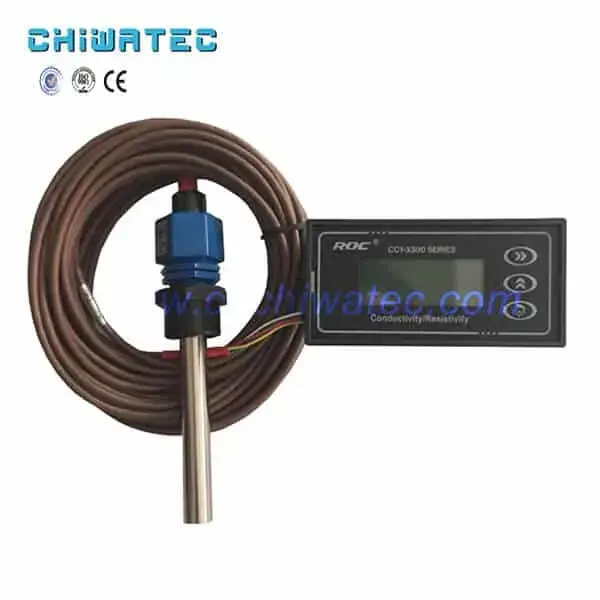
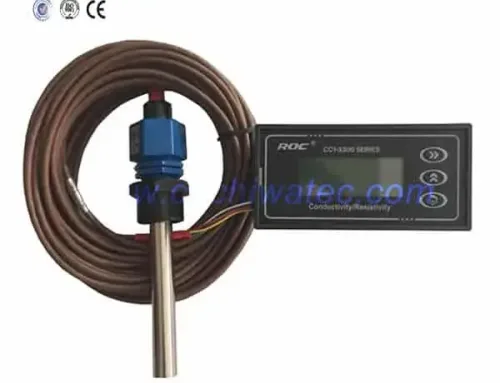
Test permeate quality at least once daily using a conductivity meter or TDS meter. A well-functioning RO membrane should achieve 95-99% salt rejection, producing permeate with conductivity below 20 microsiemens per centimeter (approximately 10 ppm TDS) from typical tap water feed (200-500 microsiemens per centimeter). A sudden increase in permeate conductivity of more than 20% indicates membrane compromise or seal failure requiring immediate investigation.
Comprehensive Water Analysis Schedule
Conduct a full laboratory water analysis quarterly, testing for: pH (target 6.5-7.5 for feed), turbidity (below 1 NTU for proper operation), silt density index (SDI below 3), total dissolved solids, specific ion concentrations (calcium, magnesium, silica, iron, manganese), bacteria counts, and chlorine/chloramine residual. Maintain a log of all results to establish trend data that can predict developing problems before they cause system failure. Read about factors affecting pH determination of pure water for accurate testing protocols.
7. Troubleshooting Common RO Operating Problems
Low Permeate Flow
Reduced permeate production is the most common operating issue. Causes include: pre-filter clogging (check pressure drop across pre-filters), membrane fouling (check for scaling or biofouling), low feed water temperature (below 10 degrees C), insufficient feed pressure (check pump output), and concentrate valve set too far open (adjust to maintain 10-15% concentrate flow). Address each potential cause systematically, starting with the simplest checks (pre-filter condition, valve settings) before proceeding to membrane inspection.
Poor Water Quality (High Permeate TDS)
Elevated permeate conductivity indicates compromised membrane integrity or seal failure. Common causes include: o-ring seal leaks at membrane interconnectors (accounting for 80% of apparent membrane failures), membrane oxidation from chlorine exposure, age-related membrane degradation (typically after 3-5 years), and back-pressure damage from improper shutdown sequencing. Inspect and replace interconnector o-rings first — this solves 80% of “failed membrane” complaints at a fraction of the cost. Learn proper tank management for stored RO product water.
8. Chemical Dosing and Antiscalant Management
Antiscalant Injection
Antiscalants prevent precipitation of sparingly soluble salts (calcium carbonate, calcium sulfate, barium sulfate, strontium sulfate, silica) on the membrane surface. Typical dosage rates are 2-6 parts per million depending on feed water chemistry. Under-dosing leads to scaling, while over-dosing can cause fouling from the antiscalant itself. Calculate the Langelier Saturation Index (LSI) and Stiff & Davis Stability Index (SDSI) of your concentrate stream monthly to verify adequate antiscalant protection. Read why antiscalants are critical for RO systems.
Chemical Cleaning Agent Selection
Select cleaning chemicals based on foulant type identified during diagnostic testing. Acid cleaners (pH 2-3 using citric acid, hydrochloric acid, or phosphoric acid) remove inorganic scales including calcium carbonate (90% of scale cases), metal oxides, and silica. Alkaline cleaners (pH 11-12 using sodium hydroxide with or without detergents) remove organic foulants, biofilms, silica, and colloidal material. Biocides (including non-oxidizing agents like DBNPA or isothiazolone) are used for severe biofouling. Never mix acid and alkaline cleaners — always flush thoroughly between cleaning steps.
9. Energy Optimization and Operating Cost Reduction
Energy Recovery Options
For large RO systems (above 50,000 GPD), energy recovery devices (ERDs) such as pressure exchangers or Pelton wheel turbines can reduce energy consumption by 40-60%. For smaller systems, variable frequency drives (VFDs) on the high-pressure pump motor match pump output to actual demand, reducing energy use by 20-35% compared to fixed-speed operation. The payback period for VFD installation is typically 12-24 months for systems operating 8-16 hours daily.
Operating Cost Factors
Total operating cost for an RO system includes: electricity (30-40% of total cost for pumping), membrane replacement (15-25%, amortized over 3-5 year membrane life), pre-filter replacement (10-15%), chemical costs for antiscalant and cleaning (5-10%), labor for monitoring and maintenance (15-25%), and waste water disposal (5-15%). Contact CHIWATEC for a detailed operating cost analysis tailored to your specific system configuration and feed water conditions.
10. Long-Term Maintenance and Storage Procedures
Extended Shutdown Protocol
When a máquina de agua pura de ósmosis inversa will be out of service for more than 48 hours, follow this preservation procedure: (1) Flush the system with permeate water for 15-30 minutes, (2) Prepare a preservation solution of 1% sodium metabisulfite (SMBS) in permeate water (pH adjusted to 3-4 with citric acid if needed), (3) Circulate the preservation solution through the system for 15 minutes, (4) Seal all inlet and outlet connections, (5) Maintain the system temperature above 4 degrees C (40 degrees F). For storage beyond 30 days, repeat the preservation process monthly and test the SMBS concentration, refreshing when it drops below 0.5%.
Commissioning After Storage
When returning a stored system to service, flush with feed water (permeate diverted to drain) for 60-90 minutes or until permeate conductivity stabilizes below 30 microsiemens per centimeter. Check all o-rings and seals for drying damage, verify pump prime, and test all safety interlocks before returning to normal operation. Gradual reintroduction of operating pressure over 10-15 minutes prevents pressure shock to the membrane elements. For end-of-life membrane replacement, explore our specialized RO treatment solutions.
Conclusión
Mastering reverse osmosis pure water machine usage is essential for any facility that depends on high-purity water — from pharmaceutical laboratories and electronics manufacturing to food processing and residential drinking water. Proper operation, consistent monitoring, and scheduled maintenance can double membrane life, reduce operating costs by 25-40%, and ensure consistently high water quality. For expert guidance on selecting, installing, operating, and maintaining reverse osmosis systems tailored to your specific water quality requirements and production needs, contact Xi’an CHIWATEC today at [email protected] o [email protected]. WhatsApp: +86 180 6696 6861.
Frequently Asked Questions
Q1: How often should I replace the filters in my reverse osmosis system?
Sediment pre-filters should be replaced every 3-6 months, activated carbon pre-filters every 6-12 months, and the RO membrane every 2-5 years depending on feed water quality and daily usage. Post-filters (polishing carbon filters) should be replaced annually. Always replace filters according to manufacturer specifications, not just time-based schedules, and monitor pressure drops and water quality for signs that replacement is needed earlier.
Q2: Why is my RO system producing less water than it used to?
Common causes include clogged pre-filters (check pressure drop across the sediment and carbon filters), membrane fouling from scale or organic buildup, low feed water temperature (below 15 degrees C reduces production significantly), insufficient feed water pressure (pump issues or partially closed feed valve), and a malfunctioning flow restrictor. Start troubleshooting by checking the easiest items first: pre-filter condition and feed water pressure readings.
Q3: Can I drink water from a reverse osmosis system?
Yes, RO-purified water is safe and healthy for drinking. Reverse osmosis removes 95-99% of total dissolved solids, including heavy metals (lead, arsenic, mercury), chlorine and chloramine, fluoride, nitrates, pesticides, pharmaceuticals, and microorganisms. RO water is not only safe but often superior in taste to tap or bottled water. Some users add a remineralization stage to restore beneficial minerals like calcium and magnesium for improved taste.
Q4: How do I know if my RO membrane needs replacing?
Signs that your RO membrane needs replacement include: a steady decline in water production rate (over 15% drop from baseline), increasing permeate TDS (salt rejection dropping below 90%), noticeable changes in water taste or odor, and visibly discolored or fouled membrane elements during inspection. Use a TDS meter to compare feed water and permeate TDS levels regularly — when salt rejection falls below 90%, replacement is needed.
Q5: What happens if my RO system runs without water?
Running an RO system without feed water (dry operation) can cause immediate damage to the high-pressure pump due to cavitation, which can destroy pump seals and impellers within seconds. Modern systems include low-pressure shut-off switches that automatically stop the pump when feed pressure drops below 20-30 psi. If your system lacks this safeguard, install one immediately. After any dry-run event, inspect the pump for damage and replace damaged seals before restarting.
Related Resources and Further Reading
¿Tiene un proyecto de tratamiento de agua con el que podamos ayudar?
* Diseño, mecanizado, instalación, puesta en marcha, personalización y servicio integral
 Spanish
  English
  Portuguese