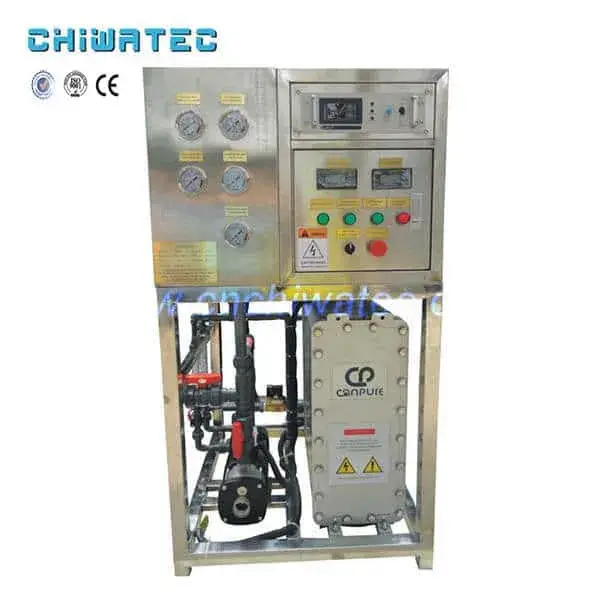
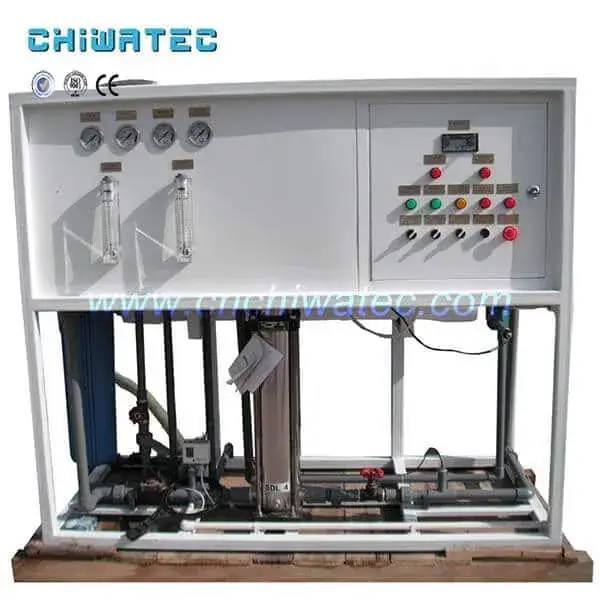
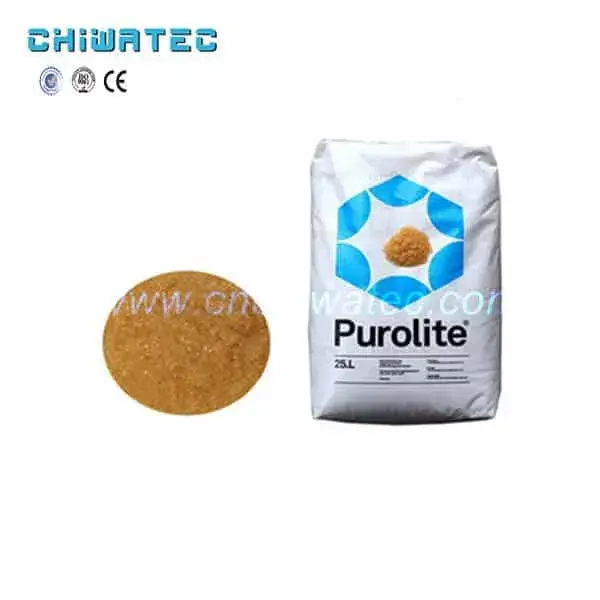
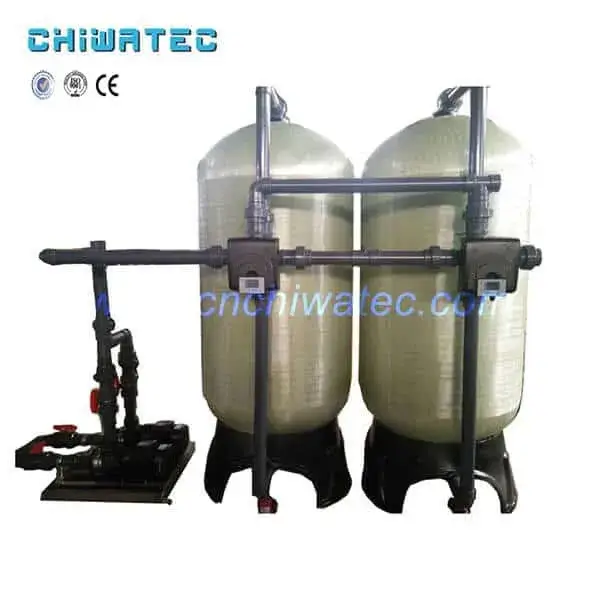
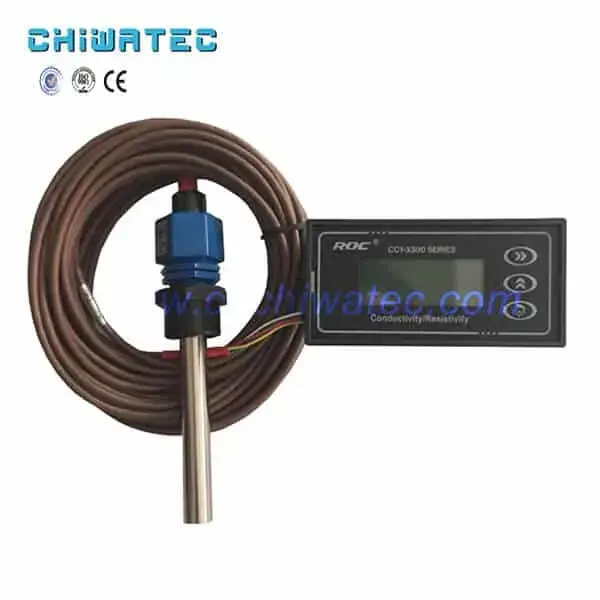
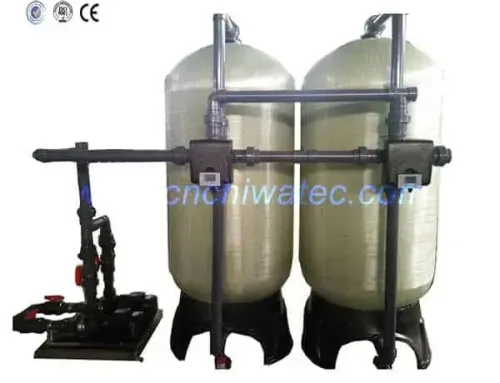
Equipo automático de ablandamiento de agua. is an essential solution for removing hardness-causing minerals (calcium and magnesium) from water, protecting industrial boilers, heat exchangers, and manufacturing processes from scale buildup. As water quality standards tighten globally in 2026, understanding water softener system features, technical specifications, and regeneration capabilities has become critical for facilities seeking to optimize equipment lifespan, reduce energy consumption, and maintain consistent water quality across diverse industrial applications.
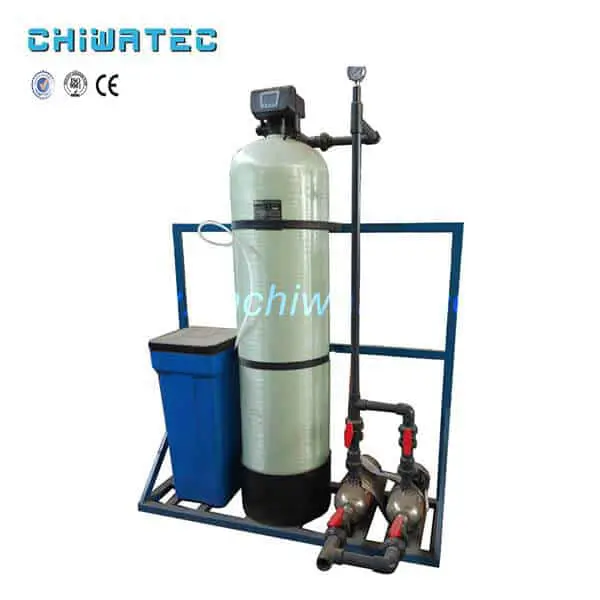
Key Features of Automatic Water Softening Equipment in 2026
Contemporary water softening systems integrate advanced automation, efficient ion exchange technology, and intelligent monitoring to deliver reliable hardness removal with minimal operator intervention.
1. Automated Regeneration Control
Modern ablandadores de agua automáticos eliminate manual intervention through intelligent regeneration scheduling:
- Manual Salt Addition Only: Operators only need to add salt for regeneration periodically
- Continuous Soft Water Supply: Fully automatic operation ensures uninterrupted soft water production
- Dual Regeneration Modes:
- Flow-Based Control: Triggers regeneration after predetermined water volume processed
- Time-Based Control: Scheduled regeneration at set intervals
- Self-Priming Regeneration: Adapts to various salt tank configurations (tanks, ponds, bulk storage)
2. Advanced Ion Exchange Technology
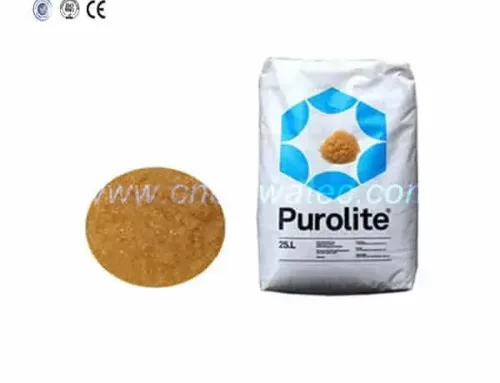
The core of equipo de ablandamiento de agua utilizes strong acid cation exchange resin to remove hardness ions:
Hardness Removal Mechanism
- Calcium Removal: Ca²⁺ ions exchanged for Na⁺ ions on resin surface
- Magnesium Removal: Mg²⁺ ions replaced with sodium ions
- Soluble Iron Removal: Dissolved iron (Fe²⁺) also removed through ion exchange
- Resin Regeneration: Brine solution (NaCl) restores resin exchange capacity
3. Intelligent Monitoring and Display
2026 water softener systems feature comprehensive monitoring capabilities:
- Automatic Water Output Detection: Real-time monitoring of soft water production
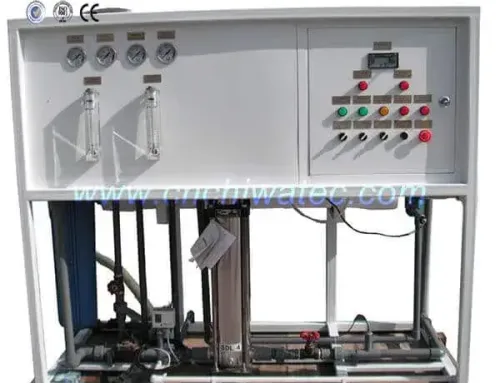
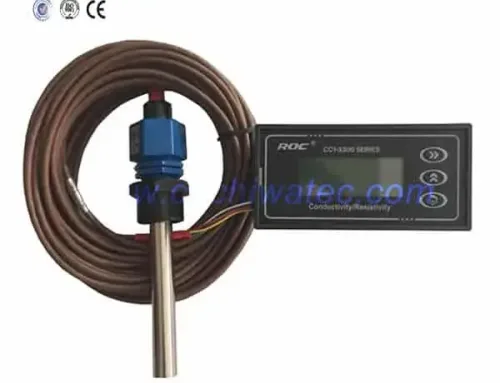
- Digital Display Panel: Shows operational parameters, regeneration status, and diagnostics
- Parameter Customization: Adjust settings based on raw water hardness and usage conditions
- Fault Diagnostics: Self-diagnosis alerts operators to maintenance needs
4. Modular System Design
Scalable architecture adapts to diverse capacity requirements:
- Independent Production Units: Multiple softening modules can be combined
- Flexible Configuration: Adapts to various water production demands
- Parallel Operation: Multiple units operate simultaneously for high-flow applications
- Standby Redundancy: Backup units ensure continuous operation during maintenance
Technical Specifications and Requirements
Proper equipo de ablandamiento de agua selection requires understanding key technical parameters to ensure optimal performance and longevity.
Raw Water Quality Requirements
| Parámetro | Especificación | Notes |
|---|---|---|
| Raw Water Hardness | <8 mg·N/L (mg equivalent/liter) | Higher hardness requires pre-treatment or larger systems |
| Outlet Water Hardness | <0.03 mg·N/L | Meets industrial boiler feed water standards |
| Working Water Pressure | 0.2-0.5 MPa | Optimal pressure range for valve operation |
| Working Temperature | 0-40°C | Standard resin temperature tolerance |
| Raw Water Turbidity | <5 degrees | Pre-filtration recommended for higher turbidity |
| Working Voltage | 220V 50Hz | Standard single-phase power supply |
Resin Specifications
Strong Acid Cation Exchange Resin
- Resin Type: Polystyrene-based strong acid cation exchanger
- Functional Group: Sulfonic acid (-SO₃H)
- Exchange Capacity: Typically 1.8-2.0 eq/L (wet)
- Physical Form: Spherical beads, 0.3-1.2 mm diameter
- Operating pH Range: 0-14 (full pH stability)
- Maximum Temperature: 120°C (H⁺ form), 60°C (Na⁺ form)
Regeneration Parameters
- Regenerant: Sodium chloride (NaCl) brine solution
- Brine Concentration: 8-12% NaCl by weight
- Regeneration Level: 150-250 g NaCl per liter of resin
- Brine Contact Time: 20-40 minutes for complete regeneration
- Rinse Water: 2-4 bed volumes for thorough rinsing
Industrial Applications of Water Softening Equipment
Automatic water softening systems serve critical roles across diverse industries where hard water causes operational problems.
1. Industrial Boilers and Steam Generation
- Scale Prevention: Eliminates calcium carbonate and magnesium silicate deposits
- Heat Transfer Efficiency: Maintains optimal heat exchange in boiler tubes
- Fuel Savings: Reduces energy consumption by preventing insulating scale layers
- Boiler Longevity: Extends equipment lifespan by preventing corrosion under scale
2. Heat Exchangers and HVAC Systems
- Fouling Prevention: Protects heat exchanger surfaces from mineral buildup
- Maintenance Reduction: Minimizes cleaning frequency and downtime
- Energy Efficiency: Maintains design heat transfer coefficients
3. Laundry and Textile Industry
- Detergent Efficiency: Soft water improves soap/detergent performance
- Fabric Quality: Prevents mineral deposits on textiles
- Water Savings: Reduced rinse cycles required
- Equipment Protection: Prevents scale in washing machines and dryers
4. Food and Beverage Processing
- Product Quality: Consistent water quality for ingredient preparation
- Cleaning Efficiency: Improved CIP (Clean-in-Place) effectiveness
- Equipment Maintenance: Protects processing equipment from scale
- Regulatory Compliance: Meets food safety water quality standards
5. Textile Printing and Dyeing
- Color Consistency: Hardness ions can affect dye uptake and color fastness
- Fabric Hand Feel: Soft water improves textile quality
- Chemical Savings: Reduced need for sequestering agents
2026 Market Trends: Water Softening Technology
The global water softener system market continues evolving with technological innovations and sustainability drivers:
- Smart Connectivity: IoT-enabled softeners with remote monitoring and predictive maintenance
- High-Efficiency Resins: Advanced formulations with higher exchange capacity and longer lifespan
- Water-Saving Regeneration: Counter-current regeneration and brine recovery systems
- Compact Designs: Space-efficient systems for retrofit applications
- Salt Efficiency: Demand-initiated regeneration reduces salt consumption by 40-60%
- Environmental Compliance: Brine discharge management and zero-liquid-discharge options
Integration with ion exchange pure water equipment provides comprehensive water treatment solutions for facilities requiring both softening and demineralization.
Advantages of Modern Automatic Water Softeners
- Continuous Operation: 24/7 soft water production without manual intervention
- Cost-Effective: Lower operational costs compared to chemical softening methods
- Reliable Performance: Consistent outlet hardness regardless of flow variations
- Easy Maintenance: Simple salt addition and periodic resin inspection
- Scalability: Modular design accommodates future capacity expansion
- Energy Savings: Prevents scale-related energy losses in heating equipment
Maintenance Best Practices for Water Softening Systems
Proper maintenance ensures optimal suavizador de agua performance and extends equipment lifespan:
Daily/Weekly Tasks
- Check Salt Level: Maintain adequate salt in brine tank (keep >1/4 full)
- Inspect Display: Verify normal operation and no fault codes
- Monitor Pressure: Ensure inlet/outlet pressure within specification
Monthly Tasks
- Test Outlet Hardness: Verify soft water quality meets specifications
- Inspect Brine Tank: Check for salt bridging or mushing
- Clean Brine Valve: Remove debris from brine injector and valve
Annual Tasks
- Resin Inspection: Check resin bed for fouling or degradation
- Resin Cleaning: Perform acid/caustic cleaning if capacity declined
- Valve Service: Inspect and lubricate control valve components
- System Calibration: Verify flow meter and timer accuracy
Resin Replacement Indicators
- Capacity Loss: >30% reduction in exchange capacity
- Physical Degradation: Excessive bead fragmentation or fouling
- Age: Typical resin lifespan 5-10 years with proper maintenance
Conclusion: Selecting the Right Water Softening Solution for 2026
Equipo automático de ablandamiento de agua. provides reliable, cost-effective hardness removal for diverse industrial applications. By understanding system features, technical specifications, and maintenance requirements, facilities can optimize water quality, protect valuable equipment from scale damage, and achieve significant energy savings. As technology advances, modern water softener systems offer enhanced efficiency, intelligent monitoring, and reduced environmental impact, making them indispensable components of comprehensive water treatment strategies in 2026 and beyond.
Explore our mechanical filtration equipment for complete water treatment solutions tailored to your industry needs.
FAQ: Automatic Water Softening Equipment
Q1: How often does a water softener need regeneration?
Regeneration frequency depends on water hardness, daily consumption, and system capacity. Typical water softener systems regenerate every 2-7 days. Flow-based controllers optimize regeneration timing based on actual water usage.
Q2: How much salt does a water softener use?
Average salt consumption ranges from 2-5 kg per regeneration cycle, depending on system size and hardness removal requirements. High-efficiency models reduce salt usage by 40-60% through optimized regeneration.
Q3: Can water softeners remove iron?
Standard resina de intercambio iónico removes soluble ferrous iron (Fe²⁺) up to 2-5 ppm. Higher iron concentrations require specialized iron-removing resin or pre-oxidation filtration.
Q4: What is the lifespan of water softener resin?
With proper maintenance, strong acid cation exchange resin typically lasts 5-10 years. Factors affecting lifespan include iron fouling, chlorine exposure, and operating temperature.
Q5: Does softened water affect taste or health?
Softened water has slightly elevated sodium content (typically 20-50 mg/L increase). For drinking water applications, consider bypassing kitchen cold water tap or installing reverse osmosis system for purification.
Related Reading
¿Tiene un proyecto de tratamiento de agua con el que podamos ayudar?
* Diseño, mecanizado, instalación, puesta en marcha, personalización y servicio integral
 Spanish
  English
  Portuguese