Ion Exchange Resin Applications: Complete Guide to Industry Fields 2026
Looking for a comprehensive overview of ion exchange resin applications across different industries? Ion exchange resins are versatile materials used in water treatment, food processing, pharmaceuticals, chemical synthesis, environmental protection, hydrometallurgy, and many other fields. In fact, water treatment alone accounts for approximately 90% of global ion exchange resin consumption. CHIWATEC supplies and integrates ion exchange resin solutions across all these application fields.
Last Updated: January 2026 | Industry-Verified Data | Application Reference Information
Why This Guide Matters for Your Industry Application
Ion exchange resin applications span an extraordinarily wide range of industries, from power generation and semiconductor manufacturing to food processing and pharmaceutical production. With the global ion exchange resins market valued at approximately USD 1.6 billion in 2024 and projected to reach USD 2.4 billion by 2034, understanding the full scope of applications helps engineers and procurement professionals select the right resin type for their specific industry needs.
Key Industry Trends (2026 Update)
- PFAS Removal: Specialty anion exchange resins designed for PFAS (per- and polyfluoroalkyl substances) removal are now the fastest-growing application segment, driven by new EPA regulations
- Lithium Extraction: Selective ion exchange resins for lithium recovery from brine and geothermal waters are gaining commercial traction in the battery materials supply chain
- Biopharmaceutical Purification: High-performance resin beads with uniform particle size distribution enable higher resolution protein separations in monoclonal antibody production
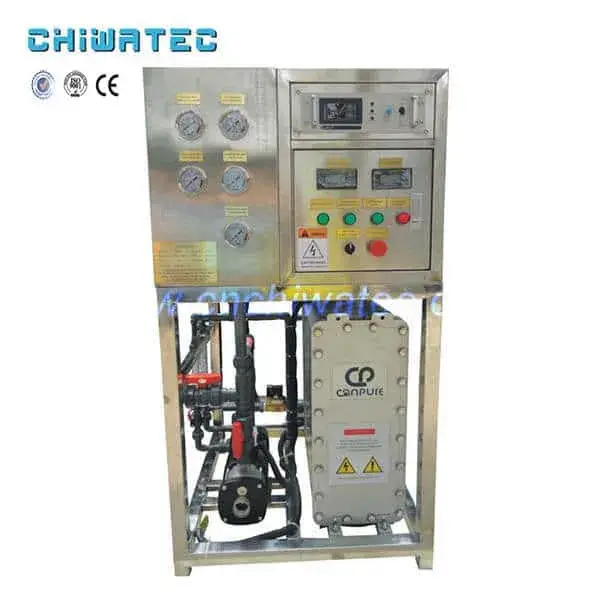
- Sustainable Regeneration: Electrodialysis-assisted regeneration systems reduce chemical consumption in demineralization applications by up to 80%
1. What Are the Main Application Fields of Ion Exchange Resins?
Overview of Industry Applications
The primary ion exchange resin applications span seven major industry sectors:
- Water Treatment (~90% of production): The dominant application, including pure water production, water softening, condensate polishing, and wastewater treatment
- Food Industry: Sugar refining, MSG production, wine stabilization, fruit juice processing, and high fructose syrup manufacturing
- Pharmaceutical Industry: Antibiotic purification, drug formulation, vitamin separation, and protein chromatography
- Chemical and Petrochemical: Catalysis for esterification and hydrolysis reactions, MTBE production, and chemical purification
- Environmental Protection: Heavy metal removal from industrial wastewater, toxic ion recovery, and pollution control
- Hydrometallurgy: Uranium extraction, rare earth element separation, precious metal recovery, and lithium recovery
- Electronics and Semiconductor: Ultrapure water for chip manufacturing, rinse water recycling, and chemical purification
Related: Basic Types of Ion Exchange Resins: Complete Classification Guide 2026
2. How Are Ion Exchange Resins Used in Water Treatment?
Dominant Application Sector
Water treatment accounts for approximately 90% of global ion exchange resin output, making it by far the largest application field. Ion exchange resins are used to remove various anions and cations from water to achieve the required purity levels for different applications. The largest single consumer of ion exchange resins is pure water treatment in thermal power plants, followed by the atomic energy, semiconductor, and electronics industries.
Key Water Treatment Applications
- Boiler Feed Water: Demineralization to prevent scale and corrosion in power plant and industrial boilers
- Condensate Polishing: Removal of trace contaminants from condensed steam in power generation cycles
- Ultrapure Water Production: Mixed-bed ion exchange for semiconductor and pharmaceutical water systems
- Water Softening: Cation exchange for hardness removal in commercial and industrial applications
- Dealkalization: Partial demineralization to reduce alkalinity and TDS for specific process requirements
- Wastewater Treatment: Heavy metal removal and water recycling in industrial effluent treatment
3. What Are the Applications in the Food Industry?
Food Processing and Purification
Ion exchange resins are widely used in the food industry for purification, decolorization, separation, and quality improvement. Key applications include:
- High Fructose Corn Syrup (HFCS) Production: Starch is extracted from corn and hydrolyzed to produce glucose and fructose. Ion exchange resins are used to demineralize and purify the sugar syrups, removing color bodies, ash content, and off-flavors
- Sugar Refining: Decolorization and deashing of cane and beet sugar solutions, improving product quality and crystal clarity
- MSG (Monosodium Glutamate) Manufacturing: Demineralization and purification of fermentation broths
- Wine and Beverage Stabilization: Removal of potassium bitartrate, polyphenols, and color compounds to improve stability and shelf life
- Gelatin Processing: Demineralization and pH adjustment of gelatin solutions for food and pharmaceutical applications
- Fruit Juice Processing: Deacidification, decolorization, and debittering of fruit juices using specialized resin types
4. How Are Ion Exchange Resins Used in the Pharmaceutical Industry?
Pharmaceutical Manufacturing and Purification
Ion exchange resins play a critical role in the pharmaceutical industry, enabling the development of new generations of antibiotics and improving the quality of existing pharmaceutical products. A prominent example is the successful development of streptomycin, where ion exchange technology enabled efficient purification of the antibiotic from fermentation broth.
Key Pharmaceutical Applications
- Antibiotic Purification: Separation and purification of streptomycin, penicillin, cephalosporins, and other antibiotics from fermentation media
- Vitamin Production: Concentration and purification of vitamins B12, C, and other essential nutrients
- Drug Formulation: Ion exchange resins as drug delivery vehicles for controlled-release medications
- Protein and Peptide Separation: Chromatographic purification of therapeutic proteins, including monoclonal antibodies
- Demineralized Water: USP Purified Water and WFI (Water for Injection) production for pharmaceutical processing
- Alkaloid Extraction: Recovery and purification of morphine, codeine, and other plant-derived alkaloids
5. What Are the Applications in Synthetic Chemistry and Petrochemical Industry?
Catalysis and Chemical Processing
In organic synthesis, acids and bases are commonly used as catalysts for esterification, hydrolysis, transesterification, and hydration reactions. Using resinas de intercambio iónico instead of inorganic acids and bases offers significant advantages: easier separation from reaction products by simple filtration, the ability to reuse the catalyst for multiple reaction cycles, reduced equipment corrosion compared to mineral acids, and no waste acid or base neutralization requirements.
Key Petrochemical Applications
- MTBE Production: Methyl tert-butyl ether is prepared using macroporous ion exchange resin as a catalyst, formed by the reaction of isobutylene and methanol. This replaced tetraethyl lead as a gasoline additive, eliminating a serious environmental pollutant
- Bisphenol A (BPA) Synthesis: Ion exchange resin catalysts enable more efficient and environmentally friendly BPA production
- Ethylene Glycol Production: Resin-catalyzed hydration of ethylene oxide
- Chemical Purification: Removal of ionic impurities from organic solvents and chemical intermediates
- Condensate Polishing: Removal of corrosion products from steam condensate in petrochemical facilities
Related: Ion Exchange Resin Capacity: Complete Technical Guide 2026
6. How Are Ion Exchange Resins Used in Environmental Protection?
Pollution Control and Resource Recovery
Ion exchange resins have been applied to many critical environmental protection challenges. Many aqueous and non-aqueous solutions contain toxic ions or non-ionic substances that can be recovered and recycled using resin technology. This approach transforms waste treatment from a cost center into a resource recovery opportunity.
Key Environmental Applications
- Heavy Metal Removal: Selective removal of chromium, nickel, copper, lead, cadmium, and mercury from industrial wastewater to meet discharge standards
- PFAS Remediation: Specialized anion exchange resins designed to adsorb per- and polyfluoroalkyl substances from groundwater and drinking water
- Nitrate and Phosphate Removal: Nutrient removal from municipal and agricultural wastewater to prevent eutrophication
- Cyanide Recovery: Recovery of cyanide from gold mining effluents for reuse in the extraction process
- Radioactive Waste Treatment: Removal of radioactive isotopes from nuclear power plant wastewater and decommissioning streams
- Air Pollution Control: Recovery of volatile organic compounds and acid gases from industrial exhaust streams
7. What Are the Applications in Hydrometallurgy?
Metal Extraction and Purification
Ion exchange resins play an essential role in hydrometallurgy for the separation, concentration, and purification of metal ions from ore leach solutions. Various resin types including cation exchange resins, anion exchange resins, and chelating resins are used depending on the target metal and solution chemistry.
Key Hydrometallurgical Applications
- Uranium Recovery: Concentration and purification of uranium from depleted uranium ore leach solutions using strong base anion exchange resins
- Rare Earth Element (REE) Separation: Multi-stage ion exchange processes for separating individual rare earth elements including neodymium, praseodymium, and dysprosium
- Precious Metal Recovery: Recovery of gold, silver, platinum, and palladium from mining effluents and electronic waste leach solutions
- Lithium Extraction: Selective lithium recovery from brine deposits and geothermal waters using lithium-specific adsorbents and ion exchange resins
- Copper and Cobalt Recovery: Concentration and purification of copper and cobalt from acid leach solutions in mining operations
8. How Are Ion Exchange Resins Used in Electronics Manufacturing?
Ultrapure Water for Semiconductor Production
The electronics and semiconductor industry requires the highest quality ultrapure water (UPW) for chip manufacturing, wafer cleaning, and chemical processing. Ion exchange resins in mixed-bed configuration are a critical component of UPW systems, achieving water resistivity of 18.2 MOhm-cm and total organic carbon (TOC) below 1 ppb.
Key Electronics Applications
- Ultrapure Water Production: Mixed-bed ion exchange polishing for semiconductor manufacturing water
- Chemical Purification: Removal of ionic contaminants from process chemicals and etching solutions
- Rinse Water Recycling: Ion exchange systems for recovering and recycling rinse water from wafer processing
- Wastewater Treatment: Removal of heavy metals and chemical contaminants from electronics manufacturing wastewater
9. What Factors Determine Resin Selection for Different Applications?
Application-Specific Selection Criteria
Selecting the right resina de intercambio iónico for a specific application requires evaluating several factors:
- Target Contaminant: Cationic or anionic nature determines resin type (cation vs. anion)
- Solution Chemistry: pH, temperature, organic content, and total ionic concentration affect resin choice
- Required Purity Level: Tighter specifications require higher quality resins and may need mixed-bed polishing
- Operating Conditions: Flow rate, pressure, temperature, and regeneration constraints
- Regulatory Compliance: Food-grade, pharmaceutical-grade, or NSF-certified resins for specific industries
- Economic Analysis: Balance between resin cost, operating life, and regeneration chemical costs
10. How Does CHIWATEC Support Ion Exchange Resin Applications Across Industries?
Comprehensive Application Support
CHIWATEC provides complete support for ion exchange resin applications across all major industries, including resin selection guidance based on application requirements and water chemistry, system design and engineering for new installations, resin troubleshooting and optimization for existing systems, supply of all major resin types from leading manufacturers, and ongoing technical support and resin analysis services. Our team of water treatment engineers has extensive experience with ion exchange applications in power generation, food processing, pharmaceutical manufacturing, chemical processing, and environmental protection.
Conclusión
Ion exchange resin applications span an extraordinary range of industries, from the dominant water treatment sector to specialized uses in pharmaceuticals, food processing, chemical synthesis, environmental protection, and metal recovery. Understanding the specific requirements of each application field is essential for selecting the right resin type, configuration, and operating conditions. As new environmental regulations drive demand for PFAS removal and lithium extraction creates new opportunities for selective resins, the scope of ion exchange applications continues to expand. By partnering with an experienced ion exchange solution provider, industries can optimize their resin applications for performance, reliability, and cost-effectiveness.
Contact CHIWATEC today at [email protected] o +86 18292684865 (WhatsApp) to discuss your ion exchange resin application requirements. Our team of water treatment engineers is ready to help you select the optimal resin solution for your specific industry application.
Frequently Asked Questions
Q1: Which industry consumes the most ion exchange resins?
Water treatment is by far the largest consumer of ion exchange resins, accounting for approximately 90% of global production. Within water treatment, the largest single application is pure water production for thermal power plants, followed by ultrapure water for semiconductor manufacturing and demineralized water for pharmaceutical processing.
Q2: Can the same resin type be used for different applications?
While the same basic resin types (SAC, WAC, SBA, WBA) are used across multiple industries, the specific grade, bead size, cross-linkage, and purity level must be matched to each application. For example, food-grade resins must meet strict extraction limits for food contact, while pharmaceutical-grade resins require USP compliance. Using the wrong grade can result in product contamination or regulatory non-compliance.
Q3: What is the fastest-growing application for ion exchange resins?
PFAS (per- and polyfluoroalkyl substances) removal from drinking water and groundwater is currently the fastest-growing application, driven by new EPA Maximum Contaminant Levels (MCLs) established in 2024. The market for PFAS treatment using ion exchange is projected to grow at over 15% annually through 2030.
Q4: How do ion exchange resins compare to other treatment technologies?
Ion exchange offers several advantages over alternative technologies: higher removal efficiency for trace contaminants, ability to selectively recover valuable metals, lower energy consumption compared to reverse osmosis and thermal processes, and regeneration capability for long service life. However, ion exchange produces regenerate waste that requires disposal, and resin performance can be affected by organic fouling and iron contamination.
Q5: What is the typical lifespan of ion exchange resins in different applications?
Resin lifespan varies significantly by application: water softening (5-8 years), demineralization (3-5 years), condensate polishing (2-4 years due to higher physical stress), food processing (3-5 years depending on organic fouling), and hydrometallurgy (1-3 years due to harsh chemical conditions). Proper pretreatment, regular cleaning, and optimal regeneration practices extend resin life in all applications.
Related Resources and Further Reading
¿Tiene un proyecto de tratamiento de agua con el que podamos ayudar?
* Diseño, mecanizado, instalación, puesta en marcha, personalización y servicio integral
 Spanish
  English
  Portuguese