Ion Exchange Resin Regeneration and Storage: Complete Guide to Methods, Preservation and Best Practices 2026
Is your ion exchange resin losing capacity faster than expected? Proper ion exchange resin regeneration and storage are critical for maintaining system performance and extending resin service life. When resin adsorption capacity declines, a controlled acid-alkali regeneration cycle using 3-5% HCl and NaOH solutions can restore exchange capacity to 90-95% of the original level. For idle or backup resin, correct storage conditions — including temperature control between 0°C and 40°C and moisture maintenance — prevent irreversible damage that can reduce resin life by 50% or more. CHIWATEC provides comprehensive ion exchange resin systems and technical guidance for regeneration, storage, and maintenance worldwide.
Why Proper Resin Regeneration Matters
Ion exchange resin gradually loses its exchange capacity during normal operation as the functional sites become saturated with ions removed from the feed water. Without timely and effective regeneration, the resin experiences:
- Progressive capacity loss: Operating beyond the recommended regeneration interval reduces effective capacity by 15-30% per cycle
- Irreversible fouling: Metal oxides, organic compounds, and silica can permanently bind to the resin matrix if not removed during regeneration
- Increased operating costs: Weaker regeneration efficiency means more frequent regenerations, higher chemical consumption, and increased wastewater volume
- Water quality degradation: Exhausted resin allows ionic leakage, compromising treated water quality
- Premature resin replacement: Poor regeneration practices can reduce resin service life from the typical 3-5 years to as little as 1-2 years
los working principle and pretreatment of ion exchange resin systems establishes the foundation for understanding why proper regeneration is essential to maintaining system performance.
Chemical Regeneration Method for Ion Exchange Resin
The standard regeneration procedure uses a sequential acid-alkali treatment to restore both cation and anion resin exchange capacity. The method described below is suitable for mixed bed and separate bed systems where the resin has been in service and shows reduced adsorption capacity or signs of contamination.
Step 1: Acid Treatment (3-5% HCl)
Prepare a 3-5% hydrochloric acid (HCl) solution. Add the solution to the resin column to a level 10 cm above the resin layer and allow soaking for 2-4 hours. The acid treatment removes metal ions (iron, aluminum, calcium), regenerates the cation resin to the H⁺ form, and dissolves inorganic scale deposits.
After the initial soak, pass 3-4 bed volumes of fresh 3-5% HCl solution through the column at a slow flow rate (2-4 BV/h). This ensures thorough penetration of the acid into the resin beads and displacement of accumulated cations. Then rinse with clean water until the effluent pH is close to neutral (pH 6-8).
Step 2: Alkali Treatment (3-5% NaOH)
Prepare a 3-5% sodium hydroxide (NaOH) solution. Add the solution to the column and allow soaking for 4 hours. The alkali treatment removes organic contaminants, humic substances, and silica from the anion resin while regenerating it to the OH⁻ form.
After soaking, pass 3-4 bed volumes of fresh NaOH solution through the column at 2-4 BV/h. Finally, rinse thoroughly with clean water until the effluent pH reaches neutrality. The resin is now fully regenerated and ready for service.
Enhanced Regeneration for Severely Fouled Resin
When the resin is heavily contaminated (dark discoloration, significantly reduced capacity, or visible organic fouling), repeat the acid-alkali cycle 2-3 times. Between cycles, perform extended rinsing to remove dislodged contaminants. For iron-fouled resin, a warm 2% sodium hydrosulfite (Na₂S₂O₄) solution can be used before the standard acid treatment for more effective iron removal.
Ion Exchange Resin Regeneration and Storage: Preservation Methods and Conditions
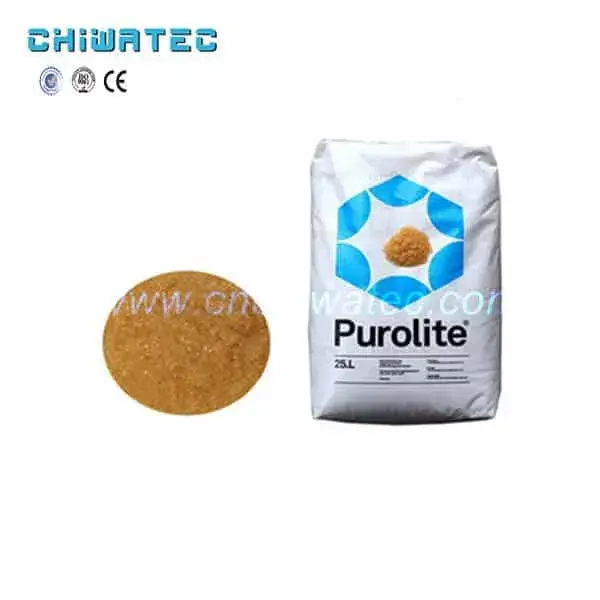
Proper ion exchange resin regeneration and storage go hand in hand — even perfectly regenerated resin can be damaged if stored incorrectly. Ion exchange resin is hygroscopic and sensitive to temperature extremes, dehydration, and contamination.
Temperature Requirements
Ion exchange resin must be stored at temperatures between 0°C and 40°C. Both temperature extremes cause specific types of damage:
- Below 0°C (freezing): Water inside the resin beads freezes and expands, causing the bead structure to crack and rupture. This permanently destroys the resin’s mechanical integrity and exchange capacity. If storage temperature is expected to approach 0°C, add clear saturated brine (sodium chloride solution) to the packaging to lower the freezing point of the water in contact with the resin
- Above 40°C (excessive heat): High temperatures accelerate chemical degradation of the polymer matrix. Anion exchange resin is particularly susceptible — heat accelerates the degradation of quaternary ammonium functional groups, reducing total exchange capacity. Dehydration can also occur, causing the beads to shrink and crack
los ion exchange method in water softening relies on properly preserved resin for consistent system performance.
Moisture Management
Resin must be kept moist during storage. Once the resin loses water:
- The beads shrink and may crack when rehydrated
- Functional groups may become inaccessible
- Recovery requires gradual rehydration through saturated brine soaking, followed by progressive dilution with water — never add water directly to dehydrated resin
Store resin in sealed, airtight containers or original packaging. If the original packaging is opened, transfer to a sealed plastic container with a tight-fitting lid. For long-term storage (over 6 months), periodically check moisture content and add distilled water if needed.
Storage Environment
Ion exchange resin cannot be stored in the open air. The storage area should be:
- Clean and dry — free from dust, chemicals, and volatile organic compounds that could adsorb onto the resin
- Protected from direct sunlight — UV radiation can degrade the polymer structure
- Ventilated — to prevent condensation and mold growth on packaging surfaces
- Free from strong oxidizing agents — chlorine, ozone, and hydrogen peroxide vapors can oxidize the resin matrix
Common Regeneration Mistakes and How to Avoid Them
Avoid these common errors to ensure effective ion exchange resin regeneration and storage:
- Using the wrong chemical concentration: HCl or NaOH concentrations above 5% can damage the resin polymer structure. Concentrations below 2% may not fully regenerate the functional groups
- Insufficient contact time: Rushing the regeneration by reducing soak time below 2 hours for acid and 4 hours for alkali results in incomplete regeneration
- Inadequate rinsing: Residual chemicals from one treatment step neutralize the chemicals in the next step. Always rinse to pH 6-8 between treatments
- Storing resin in direct sunlight: UV exposure accelerates polymer degradation. Always store in opaque containers or shaded areas
- Freezing damage: The most common storage mistake — resin left in unheated warehouses during winter without brine protection suffers irreversible cracking
How to Determine When Regeneration Is Needed
Monitoring these indicators helps schedule regeneration at the optimal time, maximizing resin utilization while preventing water quality issues:
| Indicator | Normal Range | Regeneration Required When |
|---|---|---|
| Effluent conductivity | <0.1 μS/cm (mixed bed) | Exceeds 0.5 μS/cm |
| Silica leakage | <10 ppb | Exceeds 50 ppb |
| Volume treated per cycle | Baseline value (e.g., 500 BV) | Decreases by 20% from baseline |
| Sodium leakage | <1 ppb | Exceeds 5 ppb |
| Pressure drop across bed | Stable at design value | Increases by 30% (fouling) or decreases by 20% (channeling) |
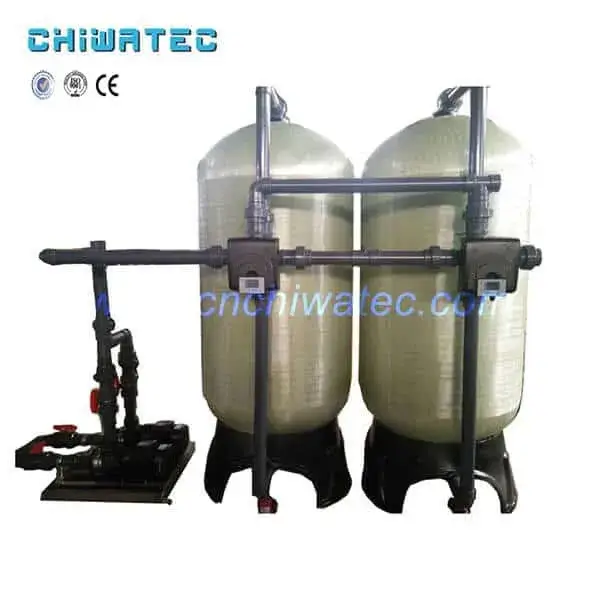
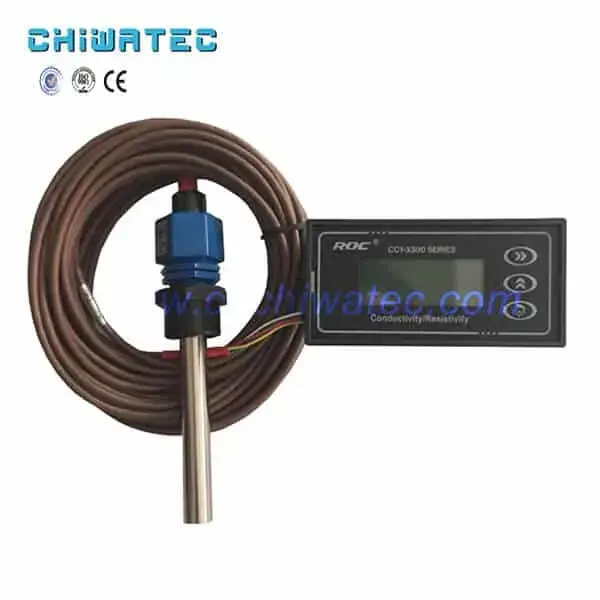
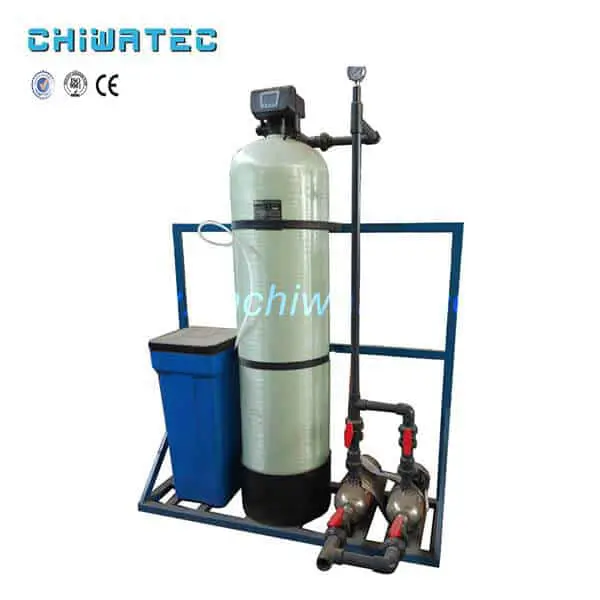
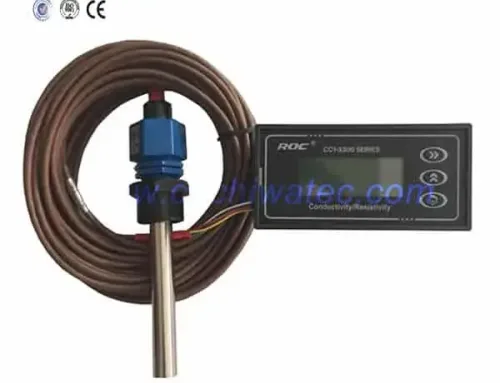
For industrial water softening systems, the standard work flow and performance characteristics of fully automatic water softening equipment includes built-in conductivity monitoring that triggers automatic regeneration at the optimal point.
Resin Service Life and Replacement Indicators
Even with proper ion exchange resin regeneration and storage, resin eventually wears out. The importance of resin selection for boiler water softening equipment underscores that choosing the right resin grade is the first step toward maximizing service life.
- Cation resin: Typical service life 3-5 years. Replacement indicators include >30% irreversible capacity loss, excessive bead breakage (more than 5% fines in the bed), and increasing iron fouling that chemical cleaning cannot resolve
- Anion resin: Typical service life 2-4 years. Anion resin degrades faster due to organic fouling and functional group degradation. Key indicators: >40% capacity loss, strong color change (dark amber to black), and persistent silica leakage
- Mixed bed resin: 2-3 years in ultrapure water service. The combination of continuous chemical and mechanical stress accelerates degradation
Frequently Asked Questions
Q1: How often should ion exchange resin be regenerated?
Regeneration frequency depends on feed water quality, service flow rate, and resin type. For water softening systems, regeneration is typically required every 3-7 days (or after treating a specific volume determined by the resin’s exchange capacity and feed water hardness). For deionization systems with conductivity monitoring, regeneration is triggered automatically when effluent quality reaches the set point (typically 0.5-1 μS/cm).
Q2: Can resin be over-regenerated?
Yes. While rare in normal operation, excessive regeneration (more than once per day or using chemical concentrations above 5%) can damage the resin. The polymer matrix can be weakened by repeated osmotic shock from chemical concentration changes. Follow the manufacturer’s recommended regeneration frequency — typically 20-30 cycles before any measurable capacity decline.
Q3: What is the cost of resin regeneration chemicals?
The cost is relatively low. For a typical industrial system, chemical costs for regeneration range from USD 0.05-0.15 per cubic meter of treated water. A standard regeneration cycle uses approximately 2 bed volumes each of 3-5% HCl and NaOH solutions. The economic benefit of extending resin life through proper regeneration far outweighs the chemical cost.
Q4: How do I store resin that will be unused for 1-2 years?
For long-term storage, keep the resin in its original sealed packaging in a climate-controlled environment (15-25°C). Ensure the packaging is airtight to prevent moisture loss. For opened containers, transfer the resin to a food-grade plastic bucket with a tight-sealing lid. Add distilled water to keep the resin moist if the original moisture has evaporated. Label the container with the resin type, date received, and any known service history.
Q5: Can frozen resin be recovered?
Partially. If the resin was exposed to freezing temperatures for a short period (less than 24 hours), slowly thaw it at room temperature (5-15°C, never apply direct heat). Test a sample by placing approximately 50 beads under a microscope — if more than 20% show visible cracks or structural damage, the entire batch should be replaced. Freeze-damaged resin has significantly reduced mechanical strength and will continue to break during service, causing pressure drop issues and channeling.
Conclusion and Call to Action
Effective ion exchange resin regeneration and storage are essential practices that directly impact water treatment system performance, operational costs, and resin service life. The acid-alkali regeneration method using 3-5% HCl and NaOH — with proper contact times, rinse procedures, and monitoring — reliably restores exchange capacity to 90-95% of original levels. Combined with correct storage conditions including temperature control between 0-40°C, moisture maintenance, and protection from contaminants, these practices can extend resin life to its full 3-5 year potential while maintaining consistent treated water quality.
CHIWATEC provides high-quality ion exchange resins, water softening equipment, and expert technical guidance on regeneration procedures and resin management. Contact us at [email protected] o [email protected] (WhatsApp available) for expert support on optimizing your resin regeneration program and storage practices.
Related Resources and Further Reading
- Ion Exchange Resin Pretreatment: Complete Guide to Working Principle and Preparation Methods
- Importancia de la selección de resinas para equipos de ablandamiento de agua de calderas
- Ion Exchange Method in Water Softening: Principles and Technology
- Fully Automatic Water Softening Equipment: Standard Work Flow and Performance Characteristics
- Water Softening System Product Line
¿Tiene un proyecto de tratamiento de agua con el que podamos ayudar?
* Diseño, mecanizado, instalación, puesta en marcha, personalización y servicio integral
 Spanish
  English
  Portuguese