Softened Water Methods: Complete Guide to Water Softening Technology 2026
Softened water methods are essential treatment processes that reduce calcium and magnesium ion content in hard water, converting it into soft water suitable for industrial, commercial, and residential applications. This comprehensive guide explores five primary water softening technologies: boiling method, chemical softening, ion exchange, electrodialysis, and reverse osmosis. Learn about the working principles, applications, advantages, and limitations of each softened water method to make informed decisions for your water treatment needs in 2026.
1. What Is Water Softening? Understanding Hard Water Problems
ablandamiento del agua is the treatment process that reduces the concentration of calcium (Ca²⁺) and magnesium (Mg²⁺) ions in water. These minerals cause “hardness” that leads to scale formation, reduced appliance efficiency, and increased soap consumption.
1.1 Hard Water Classification
Water hardness is measured in various units globally:
- mg/L (ppm) as CaCO₃: Most common international standard
- German degrees (°dH): 1°dH = 10 mg/L CaO
- French degrees (°fH): 1°fH = 10 mg/L CaCO₃
- Grains per gallon (gpg): 1 gpg = 17.1 mg/L as CaCO₃
1.2 Hardness Levels
| Classification | mg/L as CaCO₃ | gpg |
|---|---|---|
| Soft | 0-60 | 0-3.5 |
| Moderately Hard | 61-120 | 3.5-7.0 |
| Hard | 121-180 | 7.0-10.5 |
| Very Hard | >180 | >10.5 |
1.3 Problems Caused by Hard Water
- Scale formation: Calcium carbonate deposits in pipes, water heaters, and appliances
- Reduced efficiency: Scale acts as insulator, increasing energy consumption by 15-20%
- Soap scum: Hard minerals react with soap, reducing cleaning effectiveness
- Appliance damage: Water heaters, dishwashers, and washing machines have shortened lifespan
- Skin and hair issues: Hard water can cause dryness and irritation
According to the 2025 Water Quality Association report, approximately 85% of U.S. households have hard water, with 60% experiencing moderate to very hard conditions requiring treatment.
2. Five Primary Softened Water Methods
2.1 Boiling Method (Temporary Hardness Removal)
Working Principle
The boiling method is effective only for temporary hardness caused by calcium and magnesium bicarbonates. When water is heated, bicarbonates decompose into insoluble carbonates that precipitate as scale:
Chemical reactions during boiling:
- Ca(HCO₃)₂ → CaCO₃↓ + H₂O + CO₂↑
- Mg(HCO₃)₂ → MgCO₃↓ + H₂O + CO₂↑
- MgCO₃ + H₂O → Mg(OH)₂↓ + CO₂↑ (further heating)
Scale Composition
The main components of scale formed are calcium carbonate (CaCO₃) y magnesium hydroxide (Mg(OH)₂).
Advantages
- Simple and requires no chemicals
- Effective for small-scale domestic use
- Removes temporary hardness completely
Limitations
- Only removes temporary hardness (bicarbonates)
- Does not address permanent hardness (sulfates, chlorides)
- Energy-intensive for large volumes
- Scale formation requires regular cleaning
Aplicaciones
- Small-scale domestic water treatment
- Laboratory water preparation
- Emergency water softening situations
2.2 Chemical Softening Method (Lime-Soda Process)
Working Principle
los lime-soda softening method is a classic industrial water treatment process that uses chemicals to precipitate calcium and magnesium ions:
- Lime (CaO): Reacts with carbon dioxide, calcium bicarbonate, and magnesium bicarbonate to form calcium carbonate and magnesium hydroxide precipitates
- Soda ash (Na₂CO₃): Added for permanent hardness removal, precipitating calcium as calcium carbonate
Chemical reactions:
- Ca²⁺(aq) + CO₃²⁻ → CaCO₃(s)↓
- Mg²⁺(aq) + 2OH⁻ → Mg(OH)₂(s)↓
Dosage Guidelines
Empirical dosage: For every 1 degree of temporary hardness reduction in 1000 liters of water, add 10 grams of pure calcium oxide (CaO).
Advantages
- Cost-effective for large-scale industrial applications
- Removes both temporary and permanent hardness
- Well-established technology with predictable results
- Can treat high-volume water flows
Limitations
- Requires precise chemical dosing and monitoring
- Produces sludge requiring disposal
- pH adjustment often needed after treatment
- Not suitable for point-of-use applications
Aplicaciones
- Municipal water treatment plants
- Industrial boiler feedwater preparation
- Cooling tower water treatment
- Large-scale process water softening
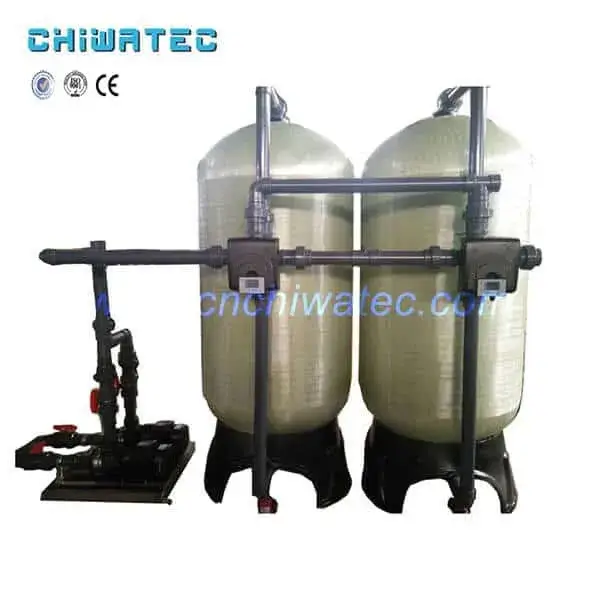
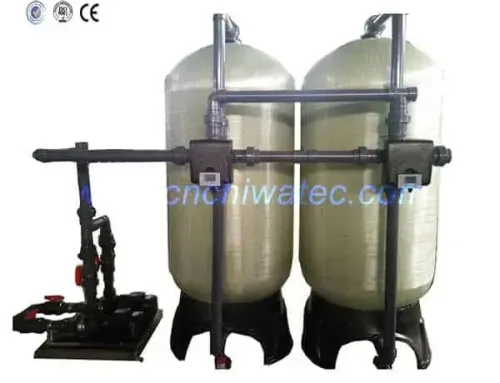
2.3 Ion Exchange Method
Working Principle
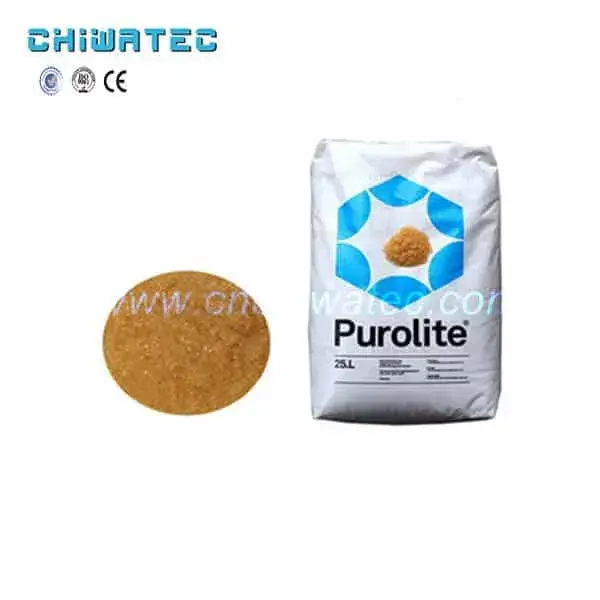
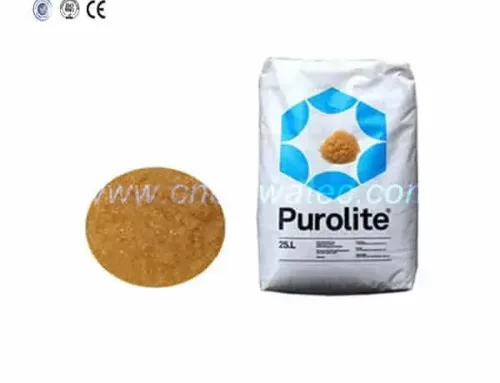
los ion exchange water softening method uses synthetic resin beads to exchange hardness ions (calcium and magnesium) with sodium or hydrogen ions:
- Service cycle: Hard water passes through resin bed; Ca²⁺ and Mg²⁺ ions bind to resin, releasing Na⁺ ions
- Regeneration cycle: Concentrated brine (NaCl solution) flushes resin, displacing accumulated hardness ions
- Rinse cycle: Fresh water removes excess brine before returning to service
Ion exchange reaction:
- 2R-Na + Ca²⁺ → R₂-Ca + 2Na⁺
- 2R-Na + Mg²⁺ → R₂-Mg + 2Na⁺
System Components
- Resin tank: Contains cation exchange resin beads
- Brine tank: Stores salt for regeneration
- Control valve: Manages service, regeneration, and rinse cycles
- Distributor tube: Ensures even water flow through resin
Advantages
- Highly effective (removes 95-99% of hardness)
- Continuous operation with automatic regeneration
- Suitable for whole-house and industrial applications
- Low maintenance requirements
- Proven technology with 50+ year track record
Limitations
- Adds sodium to treated water (concern for low-sodium diets)
- Requires regular salt replenishment
- Produces brine wastewater during regeneration
- Does not remove other contaminants (chlorine, organics)
Aplicaciones
- Residential whole-house water softening
- Commercial buildings and hotels
- Industrial process water treatment
- Boiler feedwater preparation
- Beverage and food processing
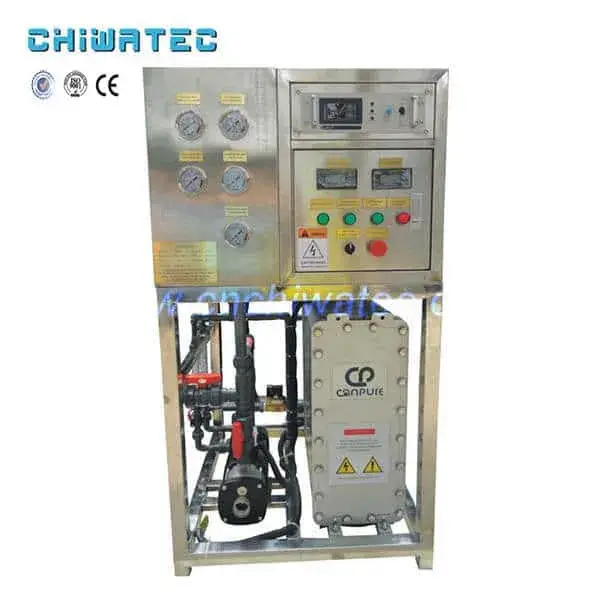
2.4 Electrodialysis Method
Working Principle
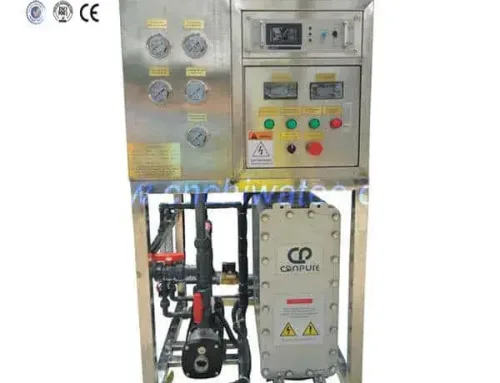
Electrodialysis (ED) uses direct current (DC) electric field and selective ion exchange membranes to remove dissolved ions from water:
- Cation exchange membranes: Allow only positive ions (Ca²⁺, Mg²⁺, Na⁺) to pass
- Anion exchange membranes: Allow only negative ions (Cl⁻, SO₄²⁻, HCO₃⁻) to pass
- Electric field: Drives ions toward opposite electrodes, concentrating them in separate compartments
Process Flow
- Feedwater enters alternating dilute and concentrate compartments
- DC voltage applied across electrode stack
- Cations migrate toward cathode through cation membranes
- Anions migrate toward anode through anion membranes
- Dilute compartments produce softened water
- Concentrate compartments collect removed ions for discharge
Advantages
- No chemical addition required
- Effective for brackish water desalination
- Lower energy consumption than reverse osmosis for low-salinity water
- High water recovery rates (85-90%)
Limitations
- Higher capital cost than ion exchange
- Requires electricity for operation
- Membrane fouling requires regular cleaning
- Less effective for very hard water (>500 mg/L)
Aplicaciones
- Brackish groundwater treatment
- Primary pure water production from tap water
- Industrial ultrapure water systems
- Wastewater recovery and reuse
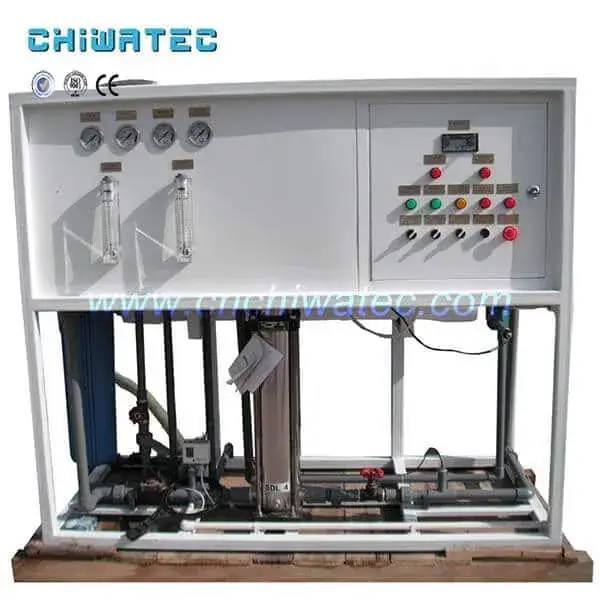
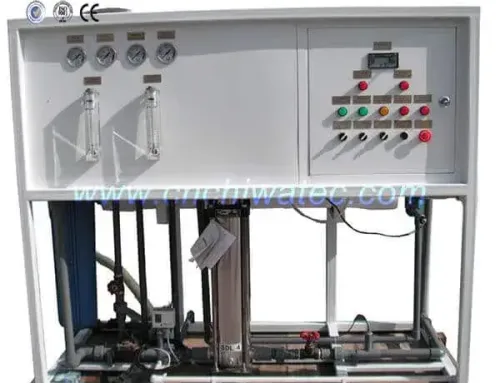
2.5 Reverse Osmosis Method
Working Principle
Reverse osmosis (RO) uses pressure to force water through a semi-permeable membrane, removing dissolved minerals, salts, and contaminants:
- Osmotic pressure: Natural tendency for water to move from low to high concentration
- Applied pressure: External pressure (typically 150-800 psi) overcomes osmotic pressure
- Semi-permeable membrane: Allows water molecules to pass while rejecting 95-99% of dissolved solids
System Components
- Pretreatment: Sediment and carbon filters protect RO membrane
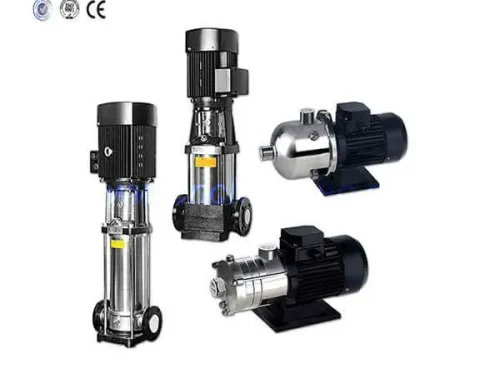
- High-pressure pump: Provides required operating pressure
- RO membrane: Spiral-wound or hollow-fiber configuration
- Post-treatment: Remineralization and disinfection (optional)
Performance Specifications
- Water recovery rate: 75-85% for residential, 50-75% for seawater
- TDS removal: 95-99% depending on membrane type
- Hardness removal: 95-98%
- Operating pressure: 150-225 psi (brackish), 800-1000 psi (seawater)
Advantages
- Most comprehensive contaminant removal
- Removes hardness, TDS, organics, bacteria, and viruses
- High water production capacity
- Simple operation with minimal maintenance
- Produces water meeting national drinking water standards
Limitations
- Produces concentrate wastewater (25-50% of feed)
- Requires adequate feedwater pressure
- Membrane replacement needed every 2-5 years
- Removes beneficial minerals (may require remineralization)
Aplicaciones
- Residential drinking water purification
- Commercial bottled water production
- Industrial process water and boiler feedwater
- Seawater and brackish water desalination
- Pharmaceutical and electronics manufacturing
3. 2026 Water Softening Technology Trends
3.1 Market Growth and Adoption
The global water softener market continues expanding:
- Market size: Expected to reach $14.2 billion by 2027 (CAGR 6.8%)
- Residential segment: Fastest-growing due to increased water quality awareness
- Asia-Pacific region: Highest growth rate driven by industrialization and urbanization
- Smart systems: IoT-enabled softeners growing at 12% annually
3.2 Technology Innovations
Recent advancements in softened water methods:
- Demand-initiated regeneration (DIR): Sensors monitor water usage and hardness, optimizing regeneration cycles
- High-efficiency resin: New formulations increase capacity by 20-30%
- Low-salt systems: Reduced brine discharge through optimized regeneration
- Hybrid RO-softener systems: Combine hardness removal with comprehensive purification
- Template-assisted crystallization (TAC): Salt-free alternative that prevents scale without ion removal
3.3 Environmental Considerations
Sustainability trends shaping the industry:
- Brine reduction: Regulations limiting salt discharge drive innovation
- Water efficiency: Higher recovery rates reduce wastewater
- Energy optimization: Low-pressure membranes and efficient pumps
- Resin recycling: Programs for end-of-life resin disposal and reuse
3.4 Smart Water Treatment
Digital integration enhances system performance:
- Remote monitoring: Mobile apps track water usage, salt levels, and system health
- Predictive maintenance: AI algorithms predict resin exhaustion and schedule service
- Usage analytics: Detailed reports help optimize consumption patterns
- Automatic notifications: Alerts for low salt, filter changes, and system issues
4. Selecting the Right Softened Water Method
4.1 Method Comparison Guide
| Method | Best For | Hardness Removal | Operating Cost |
|---|---|---|---|
| Boiling | Small volumes, temporary hardness | Partial | High (energy) |
| Lime-Soda | Municipal, industrial scale | Complete | Low |
| Ion Exchange | Residential, commercial | 95-99% | Medium |
| Electrodialysis | Brackish water, industrial | 85-95% | Medium-High |
| Osmosis inversa | Drinking water, ultrapure | 95-98% | Medium |
4.2 Selection Criteria
Consider these factors when choosing a water softening method:
(1) Water Quality Analysis
- Total hardness concentration (mg/L as CaCO₃)
- Temporary vs. permanent hardness ratio
- Presence of other contaminants (iron, manganese, chlorine)
- pH and alkalinity levels
(2) Flow Rate Requirements
- Peak demand (gallons per minute)
- Daily consumption volume
- Number of fixtures and appliances
(3) Application Type
- Whole-house protection vs. point-of-use drinking water
- Industrial process requirements
- Boiler feedwater specifications
(4) Budget Considerations
- Initial equipment cost
- Operating expenses (salt, electricity, membrane replacement)
- Maintenance requirements
(5) Environmental Factors
- Brine discharge regulations
- Water conservation requirements
- Energy efficiency standards
4.3 Maintenance Best Practices
Ensure optimal performance with regular maintenance:
Ion Exchange Systems
- Weekly: Check salt level in brine tank
- Monthly: Inspect for salt bridging, clean brine tank
- Quarterly: Test softened water hardness
- Annually: Sanitize resin bed, inspect control valve
- Every 5-10 years: Replace resin media
Reverse Osmosis Systems
- Monthly: Check system pressure and flow rate
- Quarterly: Replace sediment and carbon pre-filters
- Annually: Test TDS removal efficiency, sanitize system
- Every 2-5 years: Replace RO membrane
5. Conclusión
Understanding softened water methods is essential for selecting the right water treatment solution for your needs. From simple boiling for temporary hardness to advanced reverse osmosis for comprehensive purification, each method offers distinct advantages:
- ✓ Boiling method: Simple but limited to temporary hardness
- ✓ Chemical softening: Cost-effective for large-scale industrial applications
- ✓ Ion exchange: Most popular for residential and commercial use
- ✓ Electrodialysis: Efficient for brackish water treatment
- ✓ Reverse osmosis: Comprehensive contaminant removal for drinking water
The choice depends on water quality, flow requirements, budget, and environmental considerations. Modern water softening technology continues evolving with smart features, improved efficiency, and reduced environmental impact.
Xi’an CHIWATEC Water Treatment Technology specializes in designing and manufacturing comprehensive water softening systems. Our engineering team provides customized solutions ranging from residential ion exchange softeners to industrial reverse osmosis plants, ensuring optimal water quality for your specific application.
Proper water softening protects appliances, reduces energy costs, improves cleaning efficiency, and extends equipment lifespan—making it a worthwhile investment for homes and businesses facing hard water challenges.
6. FAQ: Softened Water Methods
Q1: Which water softening method is best for residential use?
Ion exchange water softeners are most popular for homes, offering 95-99% hardness removal with automatic regeneration. For drinking water only, reverse osmosis systems provide comprehensive purification. Consider water hardness level, household size, and budget when selecting.
Q2: How often should I regenerate my water softener?
Modern softeners use demand-initiated regeneration (DIR) based on actual water usage, typically every 3-7 days. Time-clock systems regenerate on fixed schedules (weekly). Regeneration frequency depends on water hardness, daily consumption, and resin capacity.
Q3: Does softened water add too much sodium to my diet?
Ion exchange adds approximately 7.5 mg sodium per liter per grain of hardness removed. For moderately hard water (10 gpg), this equals 75 mg/L—less than a slice of bread (150 mg). Those on strict low-sodium diets may prefer potassium chloride salt or RO drinking water.
Q4: Can I install a water softener myself?
DIY installation is possible for experienced homeowners with plumbing knowledge. However, professional installation ensures proper sizing, bypass valve setup, and drainage compliance. Commercial and industrial systems should always be professionally installed.
Q5: How long do water softener systems last?
Quality ion exchange softeners last 10-15 years with proper maintenance. Resin media typically lasts 5-10 years before replacement. Reverse osmosis membranes last 2-5 years. Regular maintenance significantly extends system lifespan.
Q6: What is salt-free water softening?
Template-assisted crystallization (TAC) is a salt-free alternative that converts hardness minerals into microscopic crystals that don’t stick to surfaces. Unlike ion exchange, TAC doesn’t remove calcium/magnesium but prevents scale formation. Effectiveness varies with water conditions.
¿Tiene un proyecto de tratamiento de agua con el que podamos ayudar?
* Diseño, mecanizado, instalación, puesta en marcha, personalización y servicio integral
 Spanish
  English
  Portuguese