

RO Pure Water Machine for Home: Complete Guide to Choosing and Installing a Reverse Osmosis System
Are you concerned about the quality of your tap water and considering a purification solution for your family? An RO pure water machine for home is the most effective and reliable way to remove bacteria, viruses, heavy metals, pesticides, and dissolved salts from your drinking water, delivering water quality comparable to bottled water at a fraction of the cost. In this complete guide, CHIWATEC explains everything you need to know about selecting, installing, and maintaining a reverse osmosis pure water system for your household.
What Is an RO Pure Water Machine for Home?
An RO pure water machine for home is a compact water purification system that uses reverse osmosis technology to treat tap water at the point of use. Typically installed under the kitchen sink, these systems are effectively miniaturized versions of commercial purified water plants. They connect directly to your existing cold water line and feature a dedicated pure water faucet for convenient dispensing. The global residential water purifier market exceeded USD 35 billion in 2024, with RO systems accounting for over 60% of installed units in households across North America and Asia-Pacific, reflecting their position as the preferred home water treatment technology.
Unlike simple water filters that only remove sediment and chlorine, an RO pure water machine for home removes up to 99% of total dissolved solids, providing water that meets or exceeds bottled water quality standards.
Benefits of Installing a Pure Water Machine at Home
Installing a reverse osmosis system in your home delivers multiple advantages that go beyond simple water filtration:
| Benefit | Description | Impact |
|---|---|---|
| Health protection | Removes 99% of bacteria, viruses, heavy metals, and chemical contaminants | Reduces health risks from contaminated drinking water |
| Cost savings | Eliminates the need for bottled water purchases | Save 60–80% compared to bottled water costs |
| Convenience | Unlimited pure water on demand from your own tap | No more carrying heavy water bottles |
| Ambiental | Reduces plastic bottle waste | Eliminates hundreds of plastic bottles per year |
| Taste improvement | Removes chlorine, sediment, and organic compounds | Better tasting water for drinking and cooking |
Many homeowners also report that cooking with RO water improves the taste of tea, coffee, soups, and baby formula, as the absence of chlorine and impurities allows the natural flavors to come through.
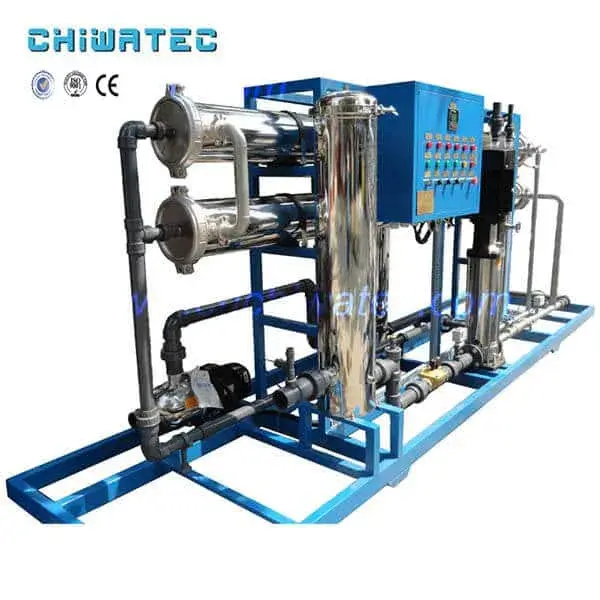
Types of Reverse Osmosis Pure Water Systems
Home RO systems come in several configurations to suit different needs and installation spaces:
- Under-sink RO systems — The most common type for households. Installed beneath the kitchen sink with a dedicated faucet. Compact design with 2–4 gallon storage tanks. Ideal for families of 2–6 people.
- Countertop RO systems — Portable units that sit on the counter and connect directly to the kitchen faucet. No installation required, making them perfect for renters or temporary setups. Typically produce 1–3 gallons of pure water per day.
- Whole-house RO systems — Larger systems installed at the main water supply point, treating all water entering the home. Used in areas with very poor source water quality. Require more space and professional installation.
- Manual vs. automatic systems — Manual (economical) systems require the user to backwash filters manually. Automatic systems feature self-cleaning and programmable backwashing cycles for hassle-free maintenance.
Understanding the 5-Stage Filtration Process
Most home RO pure water machines use a standard 5-stage filtration process. Here is how each stage contributes to water quality:
- Stage 1: PP sediment filter — Removes visible impurities such as rust, sand, sediment, and suspended particles larger than 5 microns. This protects downstream filters and extends their lifespan.
- Stage 2: Granular activated carbon (GAC) filter — Adsorbs residual chlorine, organic compounds, volatile organic compounds (VOCs), and improves taste and odor. Chlorine removal is critical to protect the RO membrane.
- Stage 3: Compressed activated carbon (CTO) filter — Further polishes the water by removing finer particles, remaining chlorine compounds, and organic matter. Ensures water entering the RO membrane is thoroughly pretreated.
- Stage 4: RO membrane — The core of the system. A thin-film composite polyamide membrane with 0.0001 micron pores removes up to 99% of dissolved salts, heavy metals, bacteria, viruses, and other contaminants. This stage requires the booster pump to maintain adequate pressure.
- Stage 5: Post-activated carbon (or mineral) filter — Final polishing stage that removes any residual tastes or odors from the storage tank, improving the overall flavor. Some systems use a medical stone (mineral) filter at this stage to add back beneficial minerals, creating alkalized mineral water for drinking.
What Contaminants Does a Home RO System Remove?
A properly installed RO pure water machine for home provides comprehensive contaminant removal, covering a broader spectrum than any single-stage filtration system:
- Heavy metals — Lead, arsenic, mercury, cadmium, chromium (rejection rate: 96–99%)
- Dissolved salts — Sodium, calcium, magnesium, chloride, fluoride (rejection rate: 95–99%)
- Microorganisms — Bacteria (E. coli, coliform), viruses (rotavirus, norovirus), protozoa (giardia, cryptosporidium) — rejection rate: 99.9%+
- Chemical contaminants — Pesticides, herbicides, pharmaceutical residues, chlorine byproducts (THMs)
- Physical impurities — Sediment, rust particles, microplastics, fine suspended solids
When you boil water treated by an RO system, no scale or white residue forms on your kettle, confirming the effective removal of hardness-causing minerals.
Installation and Maintenance Considerations
Proper installation and regular maintenance are essential for maximizing the performance and lifespan of your RO pure water machine for home:
- Installation location — Under-sink installation requires approximately 12×15 inches of cabinet space. Ensure access to a cold water supply line, drain connection, and electrical outlet for the booster pump (if applicable).
- Filter replacement schedule — PP sediment: every 3–6 months; GAC and CTO filters: every 6–12 months; RO membrane: every 2–3 years; post-carbon filter: every 12 months. Following the recommended schedule ensures consistent water quality.
- Sanitization — The system should be sanitized annually using food-grade hydrogen peroxide or a specialized RO system cleaner to prevent bacterial growth in the storage tank and tubing.
- Pressure optimization — If your home water pressure is below 40 psi (2.8 bar), a booster pump is recommended to ensure the RO membrane operates at peak efficiency and achieves rated recovery rates.
Cost Comparison: RO Pure Water Machine vs. Bottled Water
One of the most compelling reasons to choose an RO pure water machine for home is the long-term cost advantage over bottled water:
| Expense Category | Bottled Water | RO Pure Water Machine |
|---|---|---|
| Initial cost | $0 (per bottle purchase) | $150–$500 (system + installation) |
| Cost per gallon | $0.80–$1.50 | $0.10–$0.25 (filter + water + electricity) |
| Annual cost (4-person family) | $800–$1,500 | $60–$120 (filter replacements + minor electricity) |
| 5-year total cost | $4,000–$7,500 | $450–$1,100 |
| Environmental impact | 1,000+ plastic bottles per year | Near-zero plastic waste |
Over a 5-year period, a household can save $3,500–$6,400 by switching from bottled water to an RO pure water machine, while also eliminating hundreds of plastic bottles from the waste stream.
Frequently Asked Questions (FAQ)
Is RO pure water safe for daily drinking?
Yes. RO-purified water is one of the safest drinking water options available. It meets or exceeds WHO and EPA drinking water standards. If you are concerned about mineral loss, choose a system with a remineralization filter to restore calcium and magnesium.
How long does it take to install an RO system at home?
A standard under-sink RO system can be installed in 1–2 hours by a homeowner with basic plumbing skills. Most systems come with detailed instructions and quick-connect fittings for easy DIY installation. Professional installation is recommended for whole-house systems.
Does an RO system waste a lot of water?
Traditional RO systems have a 1:3 to 1:4 permeate-to-concentrate ratio. However, the concentrate water is not waste — it has been pre-filtered through three stages and is perfectly suitable for washing dishes, cleaning, and other household uses.
Can I connect my RO system to a refrigerator or ice maker?
Yes. Most under-sink RO systems have the capacity to supply water to a refrigerator water dispenser and ice maker. A kit with a saddle valve or T-connector is typically required for the connection.
How do I know when to replace the filters?
Most modern RO systems include filter life indicators or pressure gauges that show when the membrane needs replacement. If your water tastes different, flow rate decreases noticeably, or TDS readings rise above acceptable levels, it is time to check and replace the filters.
Conclusion & Call to Action
An RO pure water machine for home is one of the best investments you can make for your family’s health, convenience, and household budget. By understanding the types available, the 5-stage filtration process, and the ongoing maintenance requirements, you can select the perfect system that delivers clean, great-tasting water every day. CHIWATEC offers a comprehensive range of RO pure water machines for home use, from compact under-sink models to advanced systems with remineralization and smart monitoring features. Contact our team for personalized advice: [email protected] o [email protected].
Related Resources and Further Reading
- 2026 Complete Guide to RO Pure Water Machine: Benefits, Types, Features, and Functions
- Reverse Osmosis and Nanofiltration Principles: Complete Technical Guide 2026
- Best Home Water Treatment Equipment for Drinking Water 2026: Complete Buyer Guide
- Which is Better, Pure Water Machine or Water Purifier?
- RO Water Treatment System Product Range » CHIWATEC
¿Tiene un proyecto de tratamiento de agua con el que podamos ayudar?
* Diseño, mecanizado, instalación, puesta en marcha, personalización y servicio integral






 Spanish
  English
  Portuguese




