Explosion-Proof Water Softening Equipment Installation: 2026 Complete Guide to Safe Setup
Is your boiler water softening equipment installed safely for explosion-prone environments? Improper installation of water softening equipment in hazardous areas can lead to electrical failures, gas leaks, and system downtime. The direct answer is: explosion-proof water softening equipment installation requires strict adherence to electrical safety codes, proper platform mounting, correct resin filling procedures, and leak-proof pipe connections. The global industrial water softening equipment market was valued at USD 8.2 billion in 2024 and is projected to reach USD 13.5 billion by 2034 (Allied Market Research), driven largely by safety compliance requirements in chemical, petrochemical, and power generation industries. CHIWATEC has been designing and supplying explosion-proof water treatment systems for over a decade, ensuring every installation meets international safety standards.
What Is Explosion-Proof Water Softening Equipment?
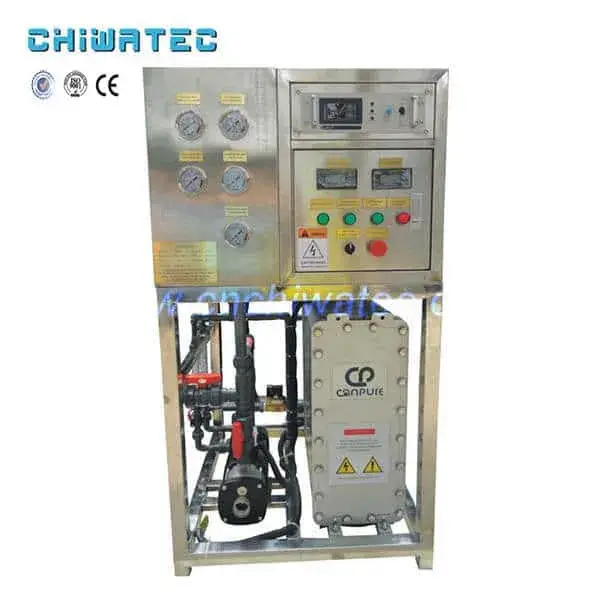
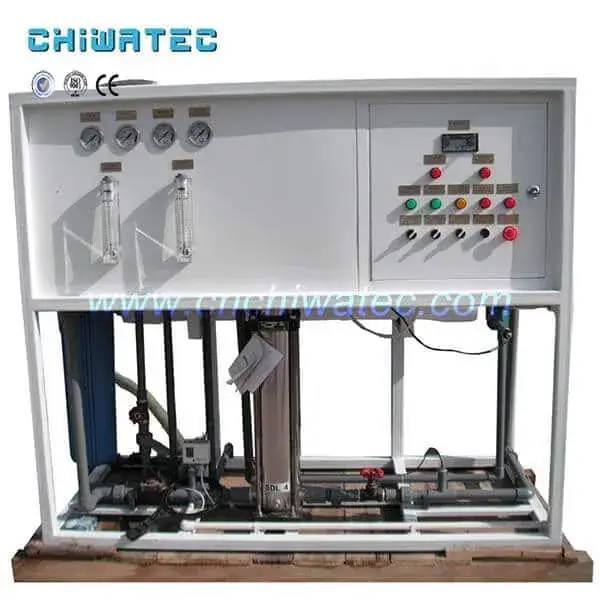
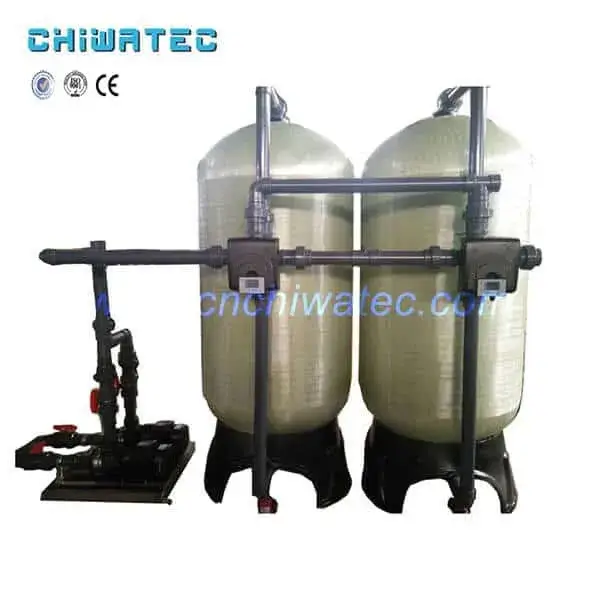
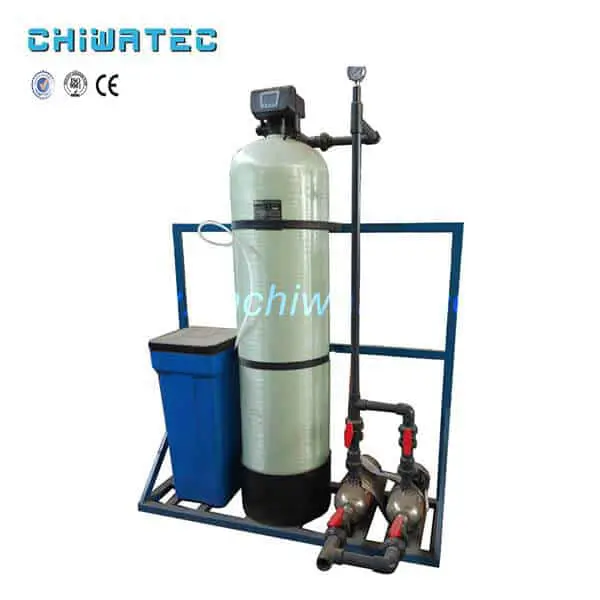
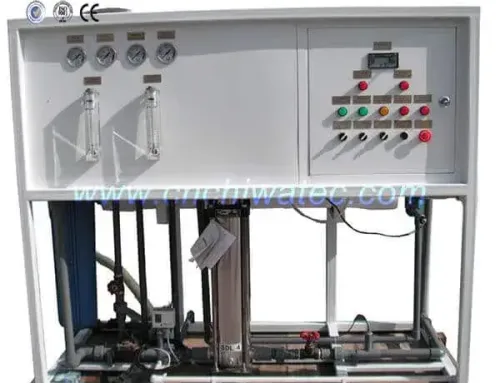
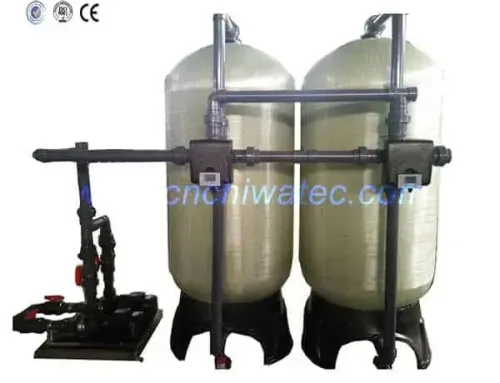
Explosion-proof automatic water softening equipment is a specialized ion exchange system designed for operation in hazardous environments where flammable gases, vapors, or combustible dusts may be present. Unlike standard water softeners, these units feature:
- Explosion-proof electrical enclosures — Control panels, motors, and sensors are housed in sealed, spark-proof enclosures that comply with ATEX, IECEx, or NEC Class I Division 1/2 standards.
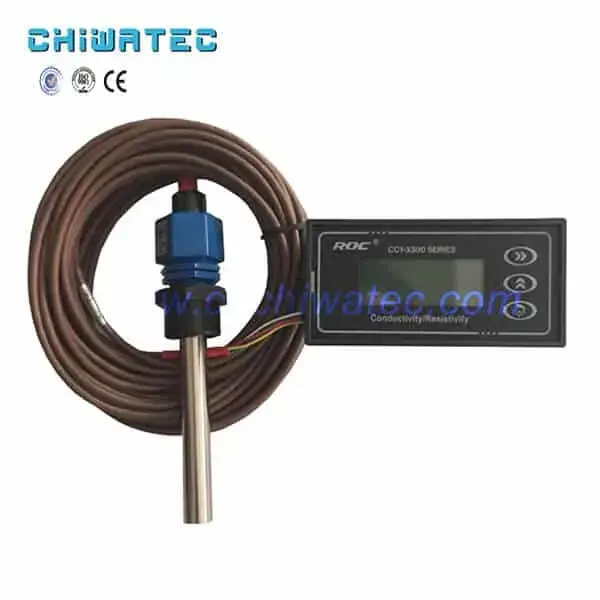
- Sealed controller units — The automatic control valve and timer mechanisms are isolated from explosive atmospheres to prevent ignition sources.
- Ground fault protection — Integrated electrical safety systems that automatically shut down equipment in the event of current leakage.
- Corrosion-resistant materials — Stainless steel or reinforced FRP tanks that withstand both chemical exposure and extreme environmental conditions.
These features make explosion-proof water softeners essential for boiler feed water treatment in oil refineries, chemical plants, gas processing facilities, and other hazardous industrial settings where both water quality and operational safety are critical.
General Requirements for Explosion-Proof Water Softening Equipment Installation
Before beginning installation, several fundamental requirements must be met to ensure both safety and optimal performance of explosion-proof water softening equipment:
- Fixed platform mounting — The equipment must be installed on a level, reinforced concrete platform capable of supporting the unit’s full operational weight, including water and resin.
- Proximity to drainage — A floor drain or sewer connection must be located nearby to handle backwash and regeneration discharge water. The drainage system should handle 2–3 times the normal backwash flow rate.
- Ambient temperature control — The installation environment should maintain a temperature range of 2°C to 50°C (35°F to 122°F). Freezing conditions can damage resin beads and piping, while excessive heat may affect seal integrity.
- Adequate ventilation — In explosion-proof zones, ensure the area has proper ventilation to prevent accumulation of flammable gases. The equipment itself should not be installed in confined spaces without certified explosion-proof ratings.
- Salt tank positioning — The brine/salt tank should be placed close to the resin tank to minimize brine line length, but with sufficient clearance for salt refilling and maintenance access.
These requirements form the foundation of a safe and reliable installation. Skipping any of these steps can compromise both equipment performance and workplace safety.
Equipment Controller Installation and Resin Filling
The controller and resin system are the core components of explosion-proof water softening equipment. Proper installation at this stage directly determines the unit’s softening efficiency and service life.
Controller Installation Steps
The automatic control valve (controller) must be installed with precision:
- Lifting pipe placement — Insert the center lifting pipe into the resin tank, positioning it 0.5 mm below the tank mouth. Cut and bevel the pipe end before filling to ensure proper seating.
- Water distributor installation — After placing the lifting pipe, install the water distributor at the bottom of the tank. Ensure it is centered and level to prevent channeling during operation.
- Control valve mounting — Thread the control valve onto the tank neck clockwise until snug. Apply PTFE tape on threads to prevent leaks. Do not overtighten, as this can crack the tank neck on FRP vessels.
Resin Filling Guidelines
For explosion-proof water softening equipment, resin filling follows specific protocols:
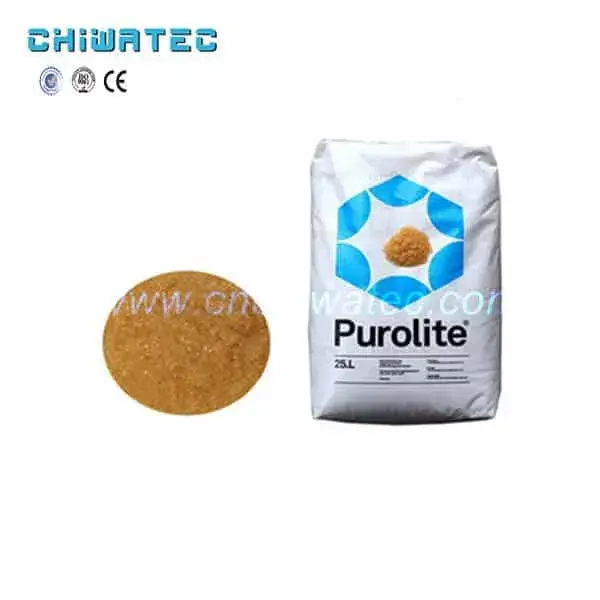
- Use high-quality strong acid cation (SAC) exchange resin with a cross-linkage of 8% DVB for optimal hardness removal in boiler feed applications.
- Fill resin to 60–70% of tank volume — leaving adequate headroom for bed expansion during backwash (typically 40–50% expansion space).
- Pre-soak the resin in clean water for 4–8 hours before initial operation to allow the beads to fully hydrate and expand. Learn more about resin selection for boiler water softening equipment for detailed specifications.
- After filling, perform an initial backwash at 1.5–2 times the normal flow rate for 15–20 minutes to remove resin fines and air pockets.
Pipe Connection and Plumbing Requirements
Correct pipe connections are critical for both safety and performance of explosion-proof automatic water softening equipment. The system includes multiple pipe circuits that must be properly installed:
| Pipe Circuit | Requirement | Diameter Note |
|---|---|---|
| Inlet Water Pipe | Match controller inlet port diameter; install manual shut-off valve for maintenance isolation | Match controller specification |
| Outlet Water Pipe | Connect to softened water distribution system; install sample valve for water quality testing | Match controller specification |
| Drainage Pipe | No shut-off valve allowed on drainage line; route to open drain with air gap per plumbing code | At least same diameter as inlet |
| Línea de salmuera | Connect from salt tank to controller brine port; use flexible tubing with anti-siphon valve | 3/8″ to 1/2″ typical |
| Overflow Line | Connect salt tank overflow to drain; prevent brine overflow damage | Same as brine line |
Critical rule: No valves should be installed on the drainage pipe. This prevents back-pressure buildup during backwash cycles that could damage the control valve or cause seal failure. All pipe connections should be pressure-tested at 1.5 times the operating pressure before commissioning.
Electrical Safety and Commissioning Procedures
For explosion-proof water softening equipment, electrical installation requires special attention to prevent ignition sources:
- Independent power socket — The equipment must have its own dedicated power outlet with an independent circuit breaker. Do not share outlets with other high-power equipment.
- Grounding — Proper equipment grounding is mandatory. Use grounding conductors sized per local electrical code (typically 10 AWG or larger for industrial equipment).
- Sealed conduit connections — All electrical conduit entries into the controller housing must be sealed with explosion-proof conduit seals to prevent gas migration.
- Emergency shut-off — Install an emergency stop button within easy reach of the equipment, clearly marked with safety signage.
Commissioning Procedure
During initial startup:
- Slow water introduction — Do not open the water inlet valve quickly. Gradually pressurize the system over 30–60 seconds to prevent resin bed disturbance and water hammer damage.
- Air purge — Open the outlet valve and vent any trapped air from the system before starting normal operation. Air in the resin bed causes channeling and reduces softening efficiency.
- Backwash check — Verify that the backwash flow rate achieves 40–50% bed expansion. Adjust the flow control valve if expansion is outside this range.
- Brine draw test — Run a complete regeneration cycle to confirm brine draw volume and rinse times are within manufacturer specifications.
Key Factors for Safe Operation and Maintenance
After installation, operators must monitor several factors to ensure the explosion-proof water softening equipment installation continues to perform safely:
- Electrical system integrity — Inspect explosion-proof enclosures, seals, and conduit fittings quarterly for corrosion, damage, or loose connections. Any compromised seal must be replaced immediately.
- Salt level monitoring — Maintain brine saturation at 25–35% (approximately 1.5–2 kg of salt per liter of water in the salt tank). Inadequate salt levels lead to incomplete resin regeneration.
- Resin bed condition — Check for fouling, iron buildup, or biological growth annually. Replace resin when exchange capacity drops below 70% of original specifications.
- Leak detection — Regularly inspect all pipe connections, valve seals, and tank fittings for leaks. Even small drips in explosion-proof zones can create slip hazards and accelerate corrosion of safety-rated components.
- Backwash frequency — Adjust backwash intervals based on feed water turbidity. For typical boiler feed water, backwash every 7–14 days or as recommended by the working principle of softened water equipment guidelines.
Frequently Asked Questions (FAQ)
What is the difference between standard and explosion-proof water softeners?
Explosion-proof water softeners feature sealed electrical enclosures, spark-proof controllers, and certified components that prevent ignition in hazardous environments. Standard softeners lack these safety-rated components and cannot be legally installed in classified areas.
What ATEX or NEC rating is required for explosion-proof water softening equipment?
The required rating depends on the specific hazardous zone classification. Most industrial boiler applications require ATEX II 2G Ex d IIB T4 or NEC Class I Division 2 Groups C and D certification. Always consult a certified electrical engineer for zone-specific requirements.
How often should resin be replaced in explosion-proof water softening equipment?
Under normal operating conditions, SAC resin should be replaced every 3–5 years. However, if feed water has high chlorine, iron, or organic content, replacement may be needed every 1–2 years. For detailed guidance, see work flow of boiler softening water equipment for maintenance schedules.
Can explosion-proof water softening equipment be installed outdoors?
Yes, but the equipment must be rated for outdoor use (NEMA 4X or IP66 minimum). The salt tank and brine system should be protected from freezing, and all electrical connections must remain sealed against moisture ingress.
What is the typical installation cost for explosion-proof water softening equipment?
Installation costs vary significantly based on site conditions and zoning requirements. Typical costs range from USD 3,000–15,000 for equipment and installation, with explosion-proof upgrades adding 30–50% above standard equipment costs. CHIWATEC provides free installation consultations with detailed cost breakdowns.
Conclusion & Call to Action
Proper explosion-proof water softening equipment installation is essential for safe and efficient boiler feed water treatment in hazardous environments. By following the general requirements, controller installation protocols, pipe connection standards, and electrical safety procedures outlined in this guide, you can ensure your equipment operates reliably while meeting all safety compliance requirements. Remember that installation quality directly impacts both system performance and workplace safety — cutting corners on any step can lead to costly failures and dangerous conditions.
For more information on the working principle of water softening equipment and customized installation solutions for your facility, contact CHIWATEC today at [email protected] o [email protected].
Related Resources and Further Reading
- Industrial Water Softening Equipment: Complete Technical Guide to Ion Exchange Technology
- Importancia de la selección de resinas para equipos de ablandamiento de agua de calderas
- Introduction to the Working Principle of Softened Water Equipment
- Work Flow of Boiler Softening Water Equipment
- Water Softening System Product Range 2026 » CHIWATEC
¿Tiene un proyecto de tratamiento de agua con el que podamos ayudar?
* Diseño, mecanizado, instalación, puesta en marcha, personalización y servicio integral

 Spanish
  English
  Portuguese