Sewage Treatment Levels: Complete Guide to Determining Wastewater Treatment Degree 2026
Struggling to determine the right treatment level for your sewage treatment equipment? Whether you are managing industrial wastewater, domestic sewage, or specialized effluent streams, selecting the correct treatment degree is critical for regulatory compliance, environmental protection, and cost efficiency. This comprehensive guide explains how to evaluate and determine the appropriate sewage treatment level based on water quality requirements, discharge standards, and reuse objectives.
*Last Updated: May 2026 | Industry-Verified Data*
Why This Guide Matters
The global wastewater treatment market was valued at approximately USD 281.3 billion in 2024 and is projected to reach USD 458.7 billion by 2034, growing at a compound annual growth rate (CAGR) of 5.6%. With increasingly stringent discharge regulations worldwide and growing demand for water reuse, correctly determining the required sewage treatment level has never been more critical. An incorrectly specified treatment level can lead to regulatory fines, environmental damage, or unnecessary capital expenditure — making accurate assessment essential for project success.
Key Industry Trends (2026 Update)
- Stricter Effluent Standards: The U.S. EPA proposed updated PFAS discharge limits in 2024-2025, while China’s GB 18918-2002 standard continues to see stricter local implementation, pushing more facilities toward tertiary treatment levels.
- Water Reuse Expansion: The global water reuse market is expected to grow from USD 18.9 billion in 2024 to USD 37.2 billion by 2032 (CAGR 8.8%), driving demand for higher treatment levels that enable safe effluent reuse.
- IoT-Enabled Treatment Monitoring: Smart sensors and real-time water quality monitoring systems now allow operators to dynamically adjust treatment levels based on influent characteristics, optimizing energy consumption by 15-25%.
- Decentralized Treatment Growth: Packaged and containerized sewage treatment plants are gaining traction, particularly in developing regions, requiring standardized yet adaptable treatment level configurations.
1. What Are Sewage Treatment Levels and Why Do They Matter?
Definition of Treatment Levels
Sewage treatment levels refer to the degree of purification applied to wastewater before discharge or reuse. The three standard levels are: primary treatment (physical separation — screening, sedimentation, flotation), secondary treatment (biological degradation — activated sludge, biofilms, MBBR), and tertiary/advanced treatment (nutrient removal, disinfection, membrane filtration). Each level progressively removes more contaminants, with tertiary systems capable of achieving 99% removal of suspended solids and 90-99% pathogen reduction.
Why Level Selection Is Critical
Selecting the wrong sewage treatment level can have severe consequences. Under-treatment may result in regulatory non-compliance, environmental damage, and public health risks. Over-treatment leads to unnecessary capital costs — tertiary treatment can cost 2-3 times more than secondary treatment per cubic meter of wastewater processed. The correct sewage treatment level balances regulatory requirements, receiving water body sensitivity, and project budget. Learn more about common challenges in sewage treatment to understand typical pitfalls in level selection.
2. What Factors Determine the Required Sewage Treatment Level?
Wastewater Source and Composition
The origin of wastewater is the primary determinant. Domestic sewage typically contains organic matter, nutrients, and pathogens requiring at least secondary treatment. Industrial wastewater may contain heavy metals, toxic compounds, or high-strength organic loads requiring specialized tertiary processes. For example, pharmaceutical wastewater often requires advanced oxidation (AOP) in addition to biological treatment.
Discharge Destination
The receiving environment dictates permissible pollutant loads. Discharge into a sensitive natural water body (e.g., drinking water source保护区, recreational waters) demands higher treatment levels than discharge into a municipal sewer system. Urban water bodies with limited self-purification capacity require effluent quality meeting Class I-A standards under GB 18918-2002, typically achievable only through tertiary treatment.
Regulatory Framework
Local, national, and international regulations establish minimum treatment requirements. For instance, the EU Urban Wastewater Treatment Directive (91/271/EEC) requires secondary treatment for all discharges from agglomerations above 2,000 p.e., with more stringent requirements for sensitive areas. Understanding the treatment standards for sewage equipment provides essential regulatory context for level determination.
3. What Is the Difference Between Primary, Secondary, and Tertiary Treatment?
Primary Treatment (Physical)
Primary treatment removes 50-70% of total suspended solids and 25-40% of BOD through physical processes including screening, grit removal, and primary sedimentation. This level is sufficient only for pre-treatment before discharge into municipal sewers or as a precursor to secondary treatment. Primary treatment alone rarely meets modern discharge standards.
Secondary Treatment (Biological)
Secondary treatment achieves 85-95% BOD removal and 90% suspended solids removal through biological processes. Common technologies include activated sludge, sequencing batch reactors (SBR), moving bed biofilm reactors (MBBR), and biological aerated filters (BAF). For most municipal applications, secondary treatment represents the minimum acceptable level.
Tertiary Treatment (Advanced)
Tertiary treatment adds nutrient removal (nitrogen, phosphorus), disinfection (UV, chlorination, ozonation), and membrane filtration (UF, MF, RO) to achieve effluent quality suitable for discharge into sensitive water bodies or reuse applications. Total phosphorus can be reduced to below 0.5 mg/L, and total nitrogen below 10 mg/L. Membrane bioreactors (MBR) combine secondary and tertiary treatment in a single process.
4. How Does the Receiving Water Body Affect Treatment Level Requirements?
Self-Purification Capacity
The natural assimilative capacity of the receiving water body plays a crucial role in determining required treatment levels. A large river with high flow rates and strong reaeration capacity can assimilate more pollutants than a small, slow-moving stream. Engineers calculate the waste load allocation based on the water body’s assimilative capacity, ensuring that after mixing, pollutant concentrations remain below water quality standards.
Sensitive vs. Non-Sensitive Waters
Water bodies designated as sensitive — such as those prone to eutrophication, serving as drinking water sources, or supporting endangered species — require higher treatment levels. European regulations classify sensitive areas as those where eutrophication occurs or may occur, requiring nutrient removal beyond standard secondary treatment. Similarly, China’s water function zone classification mandates treatment levels ranging from Grade I (most stringent) to Grade V.
Seasonal Considerations
Self-purification capacity varies seasonally. Lower winter temperatures reduce biological activity and reaeration rates, while summer low-flow conditions reduce dilution capacity. Some treatment systems incorporate seasonal adjustments, with higher treatment levels required during low-flow summer months. Factors like temperature’s effect on sewage treatment are important considerations in level determination.
5. What Regulations Govern Sewage Treatment Level Standards?
International Standards
The WHO Guidelines for the Safe Use of Wastewater, Excreta and Greywater provide global recommendations for treatment levels based on end-use applications. The EU Urban Wastewater Treatment Directive sets binding targets for member states, with secondary treatment as the baseline and tertiary nutrient removal required in sensitive areas.
Chinese Standards (GB Series)
China’s GB 18918-2002 “Discharge Standard of Pollutants for Municipal Wastewater Treatment Plant” establishes four grades: Grade I-A (the most stringent, for reuse and sensitive water bodies), Grade I-B (general surface water discharge), Grade II (secondary treatment standard), and Grade III (pre-treatment for industrial discharge). The trend toward Grade I-A implementation nationwide is driving adoption of tertiary treatment technologies.
U.S. Regulatory Framework
The Clean Water Act establishes technology-based effluent limitations, with secondary treatment as the minimum for municipal plants (40 CFR Part 133). The 2024 EPA PFAS Strategic Roadmap introduces new treatment requirements for persistent contaminants, pushing some facilities toward advanced treatment levels including granular activated carbon (GAC) and reverse osmosis (RO).
6. How Does Wastewater Reuse Intention Affect Treatment Level Selection?
Non-Potable Reuse Applications
When treated wastewater is intended for non-potable reuse — such as agricultural irrigation, landscape watering, industrial cooling, or toilet flushing — treatment levels must meet specific water quality standards for each application. WHO guidelines recommend at least secondary treatment plus disinfection for restricted irrigation, and tertiary treatment with pathogen removal for unrestricted irrigation.
Potable Reuse Standards
Direct and indirect potable reuse requires the highest treatment levels, typically involving multiple barriers: primary + secondary + tertiary (membrane filtration) + advanced oxidation (AOP) + disinfection. The EPA’s 2017 Potable Reuse Compendium provides guidance, while California’s Title 22 regulations require reverse osmosis and advanced oxidation for groundwater replenishment projects.
Industrial Reuse Requirements
Industrial water reuse applications have varying quality requirements. Cooling water typically requires at least secondary treatment with reduced scaling potential, while high-purity boiler feed water necessitates tertiary treatment including RO and EDI. Matching treatment levels to reuse applications can reduce freshwater consumption by 40-60% in industrial settings.
7. What Are the Key Water Quality Parameters That Determine Treatment Level?
Critical Parameters by Category
- Organic Matter: BOD5 and COD are the primary indicators. BOD5 below 20 mg/L indicates effective secondary treatment; below 5 mg/L requires tertiary processes.
- Suspended Solids: TSS below 30 mg/L (secondary) vs. below 5-10 mg/L (tertiary filtration).
- Nutrients: Total nitrogen below 15 mg/L and total phosphorus below 1 mg/L typically require tertiary biological nutrient removal (BNR).
- Pathogens: Fecal coliform limits range from <1,000 CFU/100mL (secondary + disinfection) to <2.2 CFU/100mL (tertiary + UV).
- Heavy Metals and Toxics: Industrial wastewater containing heavy metals requires specialized treatment levels including chemical precipitation, ion exchange, or membrane separation.
Parameter-Based Level Selection
Engineers use a parameter-by-parameter approach to determine required treatment levels. Each target effluent parameter dictates specific unit processes. For example, achieving TN < 10 mg/L requires anoxic + aerobic biological stages (secondary treatment upgrade), while TP < 0.5 mg/L requires chemical precipitation or enhanced biological phosphorus removal (tertiary level). This systematic approach ensures the treatment level is matched precisely to water quality targets without over-engineering.
8. How Do Industrial vs. Domestic Sewage Treatment Levels Differ?
Domestic Sewage Characteristics
Domestic sewage has relatively consistent composition — predominantly organic matter, nutrients, and pathogens. Standard secondary treatment (activated sludge or biofilm processes) reliably achieves discharge compliance. Typical BOD5 concentrations of 200-400 mg/L are reducible to below 20 mg/L with conventional biological treatment.
Industrial Wastewater Complexity
Industrial wastewater varies enormously by industry. Food processing wastewater has high organic loads (COD 3,000-10,000 mg/L) requiring anaerobic + aerobic treatment. Electroplating wastewater contains heavy metals requiring chemical precipitation and ion exchange. Pharmaceutical wastewater may contain antibiotics requiring specialized AOP treatment. Each industry requires a custom treatment level assessment based on its specific pollutant profile.
Combined Treatment Approaches
Many municipal plants receive a mix of domestic and pre-treated industrial wastewater. The combined stream’s treatment level must accommodate both. Pre-treatment agreements require industries to reduce pollutant loads to levels compatible with the municipal plant’s design. Buried sewage treatment equipment is one common solution for smaller combined-treatment applications where space is limited.
9. What Is the Role of Self-Purification Capacity in Determining Treatment Level?
Calculating Assimilative Capacity
The self-purification capacity of a receiving water body is quantified through mathematical modeling that considers dilution, dispersion, reaeration, sedimentation, and biological degradation. The Streeter-Phelps equation models dissolved oxygen sag curves to determine the maximum allowable BOD load. If the water body’s assimilative capacity is insufficient, higher treatment levels are required regardless of other factors.
Preventing Ecological Damage
Even when a water body has theoretical assimilative capacity, treatment levels must account for ecosystem protection. Chronic low-level pollution can degrade aquatic habitats, disrupt food chains, and reduce biodiversity over time. The precautionary principle, embedded in environmental regulations worldwide, often requires treatment levels that maintain a safety margin below the calculated assimilative capacity.
Basin-Wide Planning
Water quality management at the watershed or basin level considers cumulative impacts from multiple discharge points. A basin-wide pollution load allocation may require higher treatment levels at upstream facilities to protect downstream water uses, even if each facility could individually meet discharge standards at lower treatment levels.
10. How to Choose the Right Sewage Treatment Equipment for Your Required Level?
Matching Equipment to Treatment Level
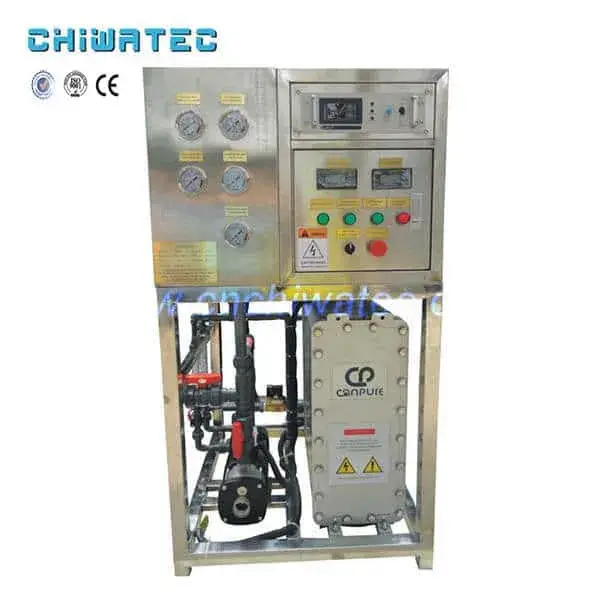
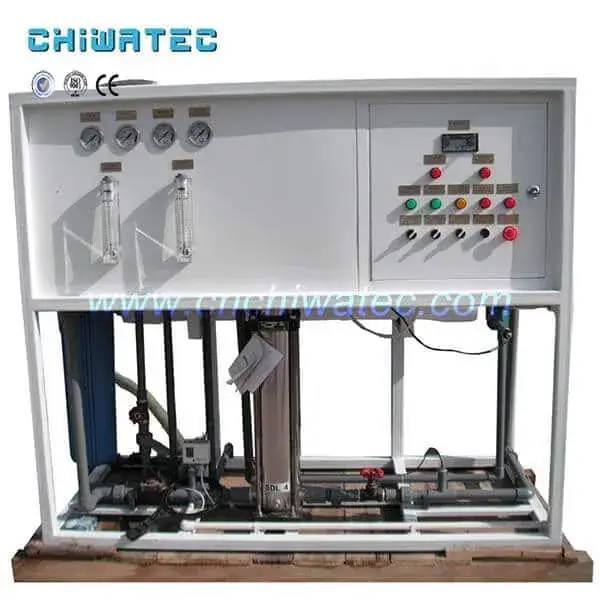
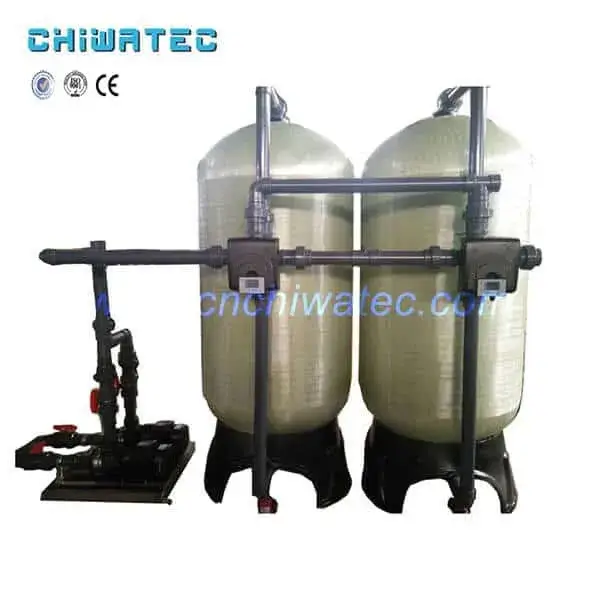
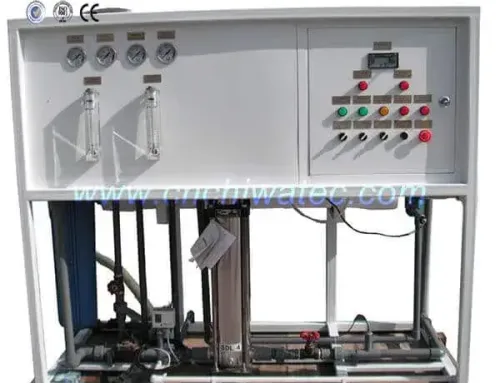
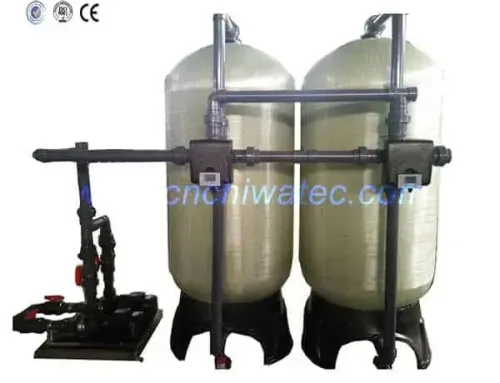
Once the required treatment level is determined, selecting appropriate equipment is the next critical step. Secondary treatment equipment includes aeration systems (surface aerators, diffused aeration, jet aerators), biological reactors (activated sludge, SBR, MBBR, BAF), and clarification systems (lamella separators, tube settlers). Tertiary treatment equipment includes membrane systems (UF, MBR, RO), disinfection units (UV, chlorination, ozonation), and advanced oxidation reactors.
Sizing and Capacity Considerations
Equipment sizing must account for peak flow rates, load variations, and future capacity needs. For example, a package sewage treatment plant serving 500 PE (population equivalent) requires different equipment than a municipal plant serving 100,000 PE. CHIWATEC specializes in custom-engineered wastewater treatment solutions, offering a full range of equipment from compact packaged systems to large-scale municipal installations. CHIWATEC engineers work with clients to determine the optimal treatment level and equipment configuration for each unique application.
Cost-Benefit Analysis
A thorough cost-benefit analysis comparing capital expenditure (CAPEX), operational expenditure (OPEX), and expected treatment performance is essential. While tertiary treatment may cost USD 0.50-1.00 per cubic meter vs. USD 0.20-0.40 for secondary treatment, the ability to reuse treated water can offset these costs through reduced freshwater purchase and wastewater discharge fees. Lifecycle cost analysis over 15-20 years provides the clearest picture of economic viability.
Conclusión
Determining the correct sewage treatment level is a multi-faceted process that requires careful evaluation of wastewater characteristics, regulatory requirements, receiving water body sensitivity, and reuse objectives. From ensuring basic secondary treatment compliance to implementing advanced tertiary processes for water reuse, each treatment level serves a specific purpose in protecting public health and the environment. As regulations become more stringent and water scarcity drives reuse adoption, proper treatment level determination becomes increasingly important for project success. Contact CHIWATEC today at [email protected] o [email protected] (WhatsApp available) for expert guidance on selecting the right treatment level and equipment for your wastewater treatment project.
Frequently Asked Questions
Q1: What is the minimum treatment level required for municipal wastewater discharge?
In most countries, secondary treatment (biological treatment achieving BOD5 < 20 mg/L and TSS < 30 mg/L) is the minimum requirement for municipal wastewater discharge into surface waters. However, many regions now require tertiary treatment for discharge into sensitive water bodies or for reuse applications.
Q2: How do I know if my facility needs tertiary treatment?
Your facility needs tertiary treatment if: (1) the receiving water body is classified as sensitive or protected, (2) effluent nutrient limits require nitrogen below 10-15 mg/L or phosphorus below 1 mg/L, (3) the treated water will be reused, or (4) local regulations mandate advanced treatment for your specific industry or discharge location.
Q3: Can treatment levels be adjusted seasonally?
Yes, some facilities design for seasonal treatment level adjustments. During summer low-flow conditions or high-temperature periods, higher treatment levels may be required. Some advanced plants incorporate bypass or flow-equalization systems to handle seasonal variations while maintaining compliance.
Q4: What is the most cost-effective way to upgrade from secondary to tertiary treatment?
Retrofitting an existing secondary treatment plant with tertiary filtration (sand filters or membrane filtration) is often the most cost-effective upgrade path. Adding chemical dosing for phosphorus removal and UV disinfection typically requires minimal structural changes. A full MBR conversion offers the highest performance but at higher capital cost.
Q5: How does China’s GB 18918-2002 standard define treatment levels?
China’s GB 18918-2002 establishes four effluent grades: Grade I-A (COD < 50 mg/L, BOD < 10 mg/L, TN < 15 mg/L, TP < 0.5 mg/L) for reuse and sensitive waters; Grade I-B for general surface water discharge; Grade II (secondary treatment standard); and Grade III for pre-treatment prior to industrial discharge. Grade I-A implementation is increasingly required nationwide.
Related Resources and Further Reading
- What Is the Treatment Standard of Sewage Treatment Equipment? — Companion guide to regulatory standards
- What Are the Three Major Problems of Sewage Treatment? — Common challenges and solutions
- Can Temperature Affect the Effect of Sewage Treatment? — Seasonal impacts on treatment performance
- How to Operate the Buried Sewage Treatment Equipment? — Operational guide for compact systems
- Wastewater Treatment Systems by CHIWATEC — Explore equipment solutions for all treatment levels
¿Tiene un proyecto de tratamiento de agua con el que podamos ayudar?
* Diseño, mecanizado, instalación, puesta en marcha, personalización y servicio integral

 Spanish
  English
  Portuguese