Reverse Osmosis Technology 2026: Complete Guide to RO Systems, Applications & Industry Trends
Introduction: The Evolution of Reverse Osmosis Technology
Reverse osmosis (RO) technology has transformed from a niche scientific process into the cornerstone of modern water treatment solutions worldwide. As we advance into 2026, tecnología de ósmosis inversa continues to dominate the global pure water preparation industry, with market projections exceeding $18 billion annually.
Since its commercial introduction to the mainland Chinese market over two decades ago, RO membrane technology has experienced exponential growth across power generation, petroleum refining, chemical processing, metallurgy, electronics manufacturing, pharmaceutical production, food and beverage industries, municipal water supply systems, and direct drinking water applications for residential use.
Compared to traditional ion exchange and electrodialysis methods, reverse osmosis membrane systems now command over 75% market share in industrial pure water preparation processes, driven by superior efficiency, lower operational costs, and environmental sustainability requirements.
Global RO Membrane Market Overview 2026
Market Leaders and Competitive Landscape
The global membrana de osmosis inversa market remains highly concentrated, with key manufacturers controlling approximately 80% of worldwide production:
- Hydranautics (Nitto Denko) – Japan/USA: Leading innovation in low-fouling membranes (LFC series)
- Dow Chemical (Filmtec) – USA: Pioneer in BW30-FR series with enhanced physical anti-pollution performance
- Koch Separation Solutions – USA: Specialized in Fluid System configurations
- Veolia Water Technologies – France: Integrated water treatment solutions
- CSM (Saehan) – South Korea: Cost-effective alternatives for emerging markets
- Toray Industries – Japan: Advanced composite membrane materials
Market Growth Trajectory
From 2020 to 2026, the global RO water treatment market has demonstrated remarkable resilience and growth:
- 2020: Global RO membrane sales reached $850 million USD
- 2023: Market expanded to $1.2 billion USD, driven by post-pandemic industrial recovery
- 2026 (Projected): Estimated $1.8 billion USD, with Asia-Pacific representing 45% of demand
China domestic membrane consumption now accounts for approximately 15% of global sales volume, with significant localization of manufacturing capabilities. Major international manufacturers including Hydranautics have established production facilities in Shanghai and other industrial zones, reducing costs and improving supply chain resilience.
RO Membrane Technology Innovations 2026
Membrane Structure Evolution
los membrana de osmosis inversa product landscape has evolved significantly, with spiral-wound configurations dominating approximately 85% of industrial applications due to:
- Lower pretreatment requirements compared to hollow fiber alternatives
- Wider operational water quality tolerance (TDS range: 50-45,000 ppm)
- Superior cost-effectiveness for large-scale installations
- Modular design enabling easy maintenance and replacement
Hollow fiber membranes (DuPont, Toyobo) and tubular membrane configurations now serve specialized niches requiring extreme fouling resistance or specific separation characteristics.
Advanced Membrane Materials
Cellulose acetate membranes have been completely phased out from mainstream applications due to:
- High operating pressure requirements (25-40 bar)
- Limited desalination efficiency (92-95% salt rejection)
- Poor chlorine resistance and biological degradation susceptibility
Thin-film composite (TFC) aromatic polyamide membranes now represent the industry standard, offering:
- Ultra-low pressure operation (8-15 bar for brackish water)
- Superior salt rejection rates (99.2-99.8%)
- Enhanced pH stability (pH 2-11 operational range)
- Extended membrane lifespan (5-7 years typical)
Next-Generation Membrane Features
2026 introduces several breakthrough RO membrane technologies:
Low-Fouling Membranes (LFC Series): Hyde Energy’s LFC1 and LFC3 series incorporate additional anti-pollution layers that modify surface charge from negative to neutral/positive, significantly improving hydrophilicity and reducing organic contamination adhesion by up to 60%.
Biofouling-Resistant Membranes: Dow’s BW30-FR series features enhanced surface smoothness and thicker feed water barrier layers, reducing surface turbulence and accelerating flow rates to minimize microbial colonization.
Positively Charged Membranes: Second-stage reverse osmosis systems benefit from positively charged membrane surfaces that effectively remove cationic contaminants, achieving system water quality below 1 μS/cm for ultra-pure water applications in semiconductor and pharmaceutical manufacturing.
Nanofiltration (NF) Membranes: While technically distinct from RO membranes, NF technology complements reverse osmosis installations for selective removal of viruses, bacteria, organic compounds (BOD), and specific ions while maintaining higher flux rates.
Industrial Applications of Reverse Osmosis Systems
Power Generation Industry
Thermal power plants and nuclear facilities require ultra-pure boiler feed water with conductivity below 0.1 μS/cm. Modern RO water treatment systems serve as critical pretreatment stages, reducing total dissolved solids (TDS) by 98-99% before final polishing through mixed-bed ion exchange or electrodeionization (EDI).
Semiconductor and Electronics Manufacturing
Chip fabrication facilities consume 2-5 million gallons of ultra-pure water (UPW) daily. Tecnología de ósmosis inversa provides the foundational purification step, removing ionic contaminants, particles, and organic compounds that could compromise microcircuit integrity at nanometer-scale manufacturing nodes.
Pharmaceutical and Biotechnology
Pharmaceutical production requires Water for Injection (WFI) and Purified Water meeting USP/EP pharmacopoeia standards. RO membrane systems deliver consistent quality while minimizing chemical regeneration waste associated with traditional ion exchange processes.
Food and Beverage Processing
Bottled water producers, breweries, and food manufacturers utilize osmosis inversa for:
- Ingredient water standardization
- Product concentration (juice, dairy, sweeteners)
- CIP (Clean-in-Place) water recycling
- Wastewater volume reduction
Municipal Water Treatment and Desalination
Seawater desalination represents the fastest-growing reverse osmosis application segment globally:
- Fujairah F2 IWPP (UAE): 536,000 m³/day capacity, world’s largest SWRO plant
- Ras Al-Khair (Saudi Arabia): 1,036,000 m³/day hybrid MSF/RO facility
- Sorek Desalination Plant (Israel): 624,000 m³/day, energy recovery optimization benchmark
In China, coastal provinces including Shandong, Zhejiang, and Guangdong have accelerated seawater desalination deployment to address freshwater scarcity, with national capacity targeting 3 million m³/day by 2030.
Seawater Desalination: Addressing Global Water Scarcity
Reverse osmosis desalination has emerged as the most energy-efficient and cost-effective solution for converting seawater to potable water. Technological advances have reduced specific energy consumption from 8-10 kWh/m³ (1990s) to 2.5-3.5 kWh/m³ (2026), making desalinated water competitive with traditional freshwater sources in water-stressed regions.
Key Desalination Market Drivers
- Climate change-induced drought intensification in Northern China, Middle East, and Mediterranean regions
- Population growth and urbanization increasing per-capita water demand
- Industrial expansion requiring reliable high-quality water supply
- Groundwater depletion and contamination limiting conventional sources
- Energy recovery device (ERD) improvements reducing operational costs by 40-60%
Current global desalinated water production exceeds 100 million m³/day, with tecnología de ósmosis inversa accounting for 69% of installed capacity. Projections indicate this will reach 180 million m³/day by 2030, driven primarily by Middle East, North Africa, and Asia-Pacific investments.
RO System Supporting Products and Components
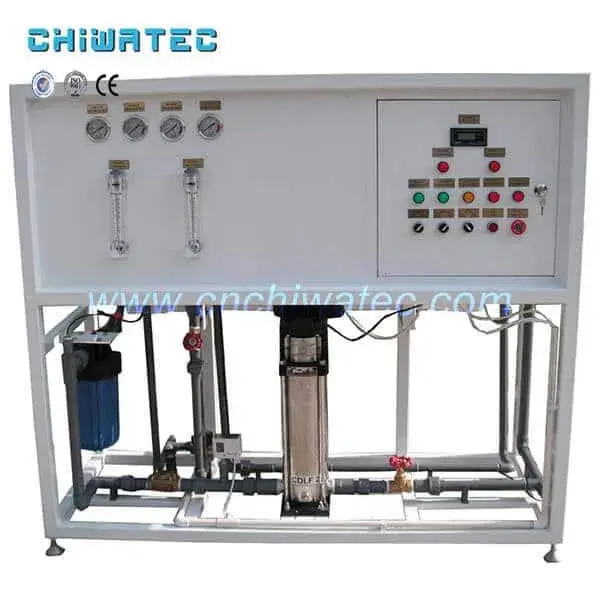
los sistema de osmosis inversa ecosystem extends far beyond membrane elements alone. Critical supporting components include:
High-Pressure Pumps
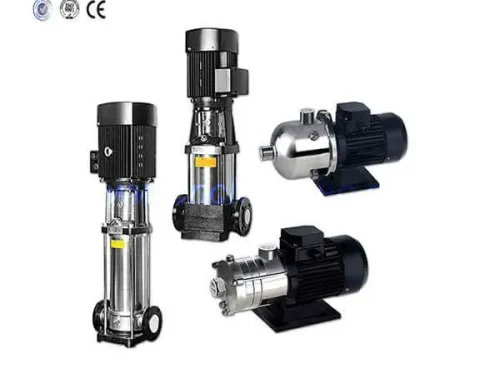
- GRUNDFOS CR/CRE series: Vertical multistage centrifugal pumps for industrial RO
- DANFOSS APP series: Axial piston pumps for seawater desalination
- Localization: Chinese manufacturers (Leo, Shimge) now offer competitive alternatives at 40-50% cost reduction
Recipientes a Presión de Membrana
- Codeline (Avista): Fiberglass-reinforced vessels rated 300-1200 psi
- Domestic production: Quality parity achieved with international standards
Scale Inhibitors and Antifoulants
- Avista (formerly Argon): Vitec series for diverse feedwater chemistries
- Kurita, Nalco: Customized chemical programs for specific contamination profiles
Instrumentation and Controls
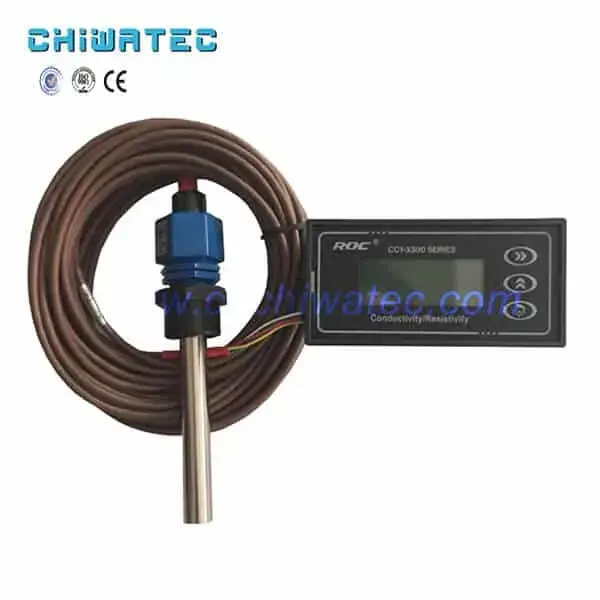
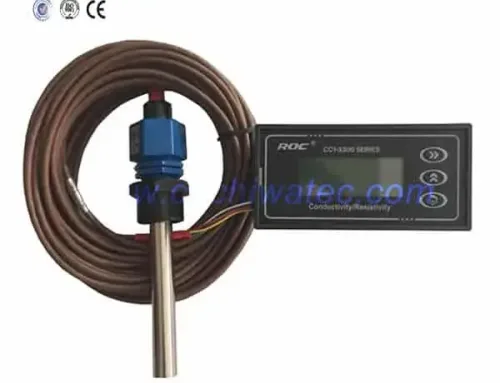
- Conductivity meters, pressure transmitters, flow meters
- PLC-based automation enabling remote monitoring and predictive maintenance
- IoT integration for real-time performance optimization
Environmental Sustainability and Energy Efficiency
los reverse osmosis industry faces increasing pressure to minimize environmental impact while maximizing resource efficiency:
Energy Recovery Technologies
Isobaric energy recovery devices (ERDs) from companies like Energy Recovery Inc. and Danfoss recover 95-98% of pressure energy from concentrate streams, reducing seawater RO specific energy consumption to below 3 kWh/m³.
Brine Management Solutions
Concentrate disposal represents a significant environmental challenge. Emerging solutions include:
- Zero Liquid Discharge (ZLD) systems combining RO with evaporators/crystallizers
- Brine mining for valuable mineral extraction (lithium, magnesium, sodium)
- Deep-well injection and ocean outfall diffusers with environmental monitoring
Carbon Footprint Reduction
Integration with renewable energy sources (solar PV, wind) for off-grid desalination installations reduces lifecycle carbon emissions by 60-80% compared to fossil fuel-powered facilities.
Future Trends: Reverse Osmosis Technology Beyond 2026
Graphene and Nanomaterial Membranes
Research institutions and startups are developing graphene oxide membranes promising 10x higher water flux with equivalent salt rejection, potentially revolutionizing RO system energy efficiency.
Biomimetic Membranes
Aquaporin-based membranes mimic biological cell water transport mechanisms, achieving unprecedented selectivity and permeability characteristics for specialized applications.
Hybrid Systems
Integration of osmosis inversa with forward osmosis (FO), membrane distillation (MD), and capacitive deionization (CDI) creates hybrid processes optimized for specific feedwater compositions and product water requirements.
AI and Machine Learning Optimization
Predictive maintenance algorithms analyze operational data (pressure, flow, conductivity) to forecast membrane fouling, optimize cleaning schedules, and extend membrane lifespan by 20-30%.
Conclusion: The Strategic Importance of Reverse Osmosis Technology
As global water scarcity intensifies and industrial water quality requirements become more stringent, tecnología de ósmosis inversa stands as the most versatile and proven solution for sustainable water treatment. From producing ultra-pure water for semiconductor manufacturing to desalinating seawater for municipal supply, RO membrane systems deliver reliable, efficient, and scalable performance.
The continued evolution of membrane materials, system design optimization, and energy recovery technologies ensures that osmosis inversa will remain central to addressing humanity’s water challenges throughout the 21st century. For industries and municipalities seeking long-term water security, investing in advanced RO water treatment infrastructure represents both an operational necessity and a strategic imperative.
Frequently Asked Questions (FAQ)
1. What is reverse osmosis technology and how does it work?
Reverse osmosis (RO) is a water purification process that uses a semi-permeable membrane to remove ions, molecules, and larger particles from water. By applying pressure greater than the natural osmotic pressure, water molecules are forced through the membrane while dissolved salts, bacteria, viruses, and organic contaminants are rejected and flushed away as concentrate. Modern RO membranes achieve 95-99.8% salt rejection rates, making them ideal for producing high-purity water for industrial, commercial, and residential applications.
2. What are the main applications of reverse osmosis systems?
Tecnología de ósmosis inversa serves diverse applications including:
- Industrial: Power plant boiler feed water, semiconductor UPW, pharmaceutical WFI, food and beverage processing
- Municipal: Seawater desalination, brackish groundwater treatment, wastewater reuse
- Commercial: Bottled water production, car wash water recycling, hotel/restaurant water treatment
- Residential: Under-sink drinking water systems, whole-house filtration
3. How long do RO membranes last and when should they be replaced?
Typical Membrana de ósmosis inversa lifespan ranges from 3-7 years depending on feedwater quality, pretreatment effectiveness, operating conditions, and maintenance practices. Replacement indicators include:
- 15-20% decline in normalized permeate flow rate
- 10-15% increase in salt passage (conductivity)
- 10-15% increase in differential pressure across membrane vessels
- Inability to restore performance through chemical cleaning
Regular monitoring, proper pretreatment, and scheduled cleaning can maximize membrane longevity and minimize total cost of ownership.
4. What is the difference between seawater RO (SWRO) and brackish water RO (BWRO)?
Seawater RO (SWRO) systems operate at higher pressures (55-80 bar) to overcome the osmotic pressure of seawater (approximately 27 bar), requiring specialized high-pressure membranes and energy recovery devices. Brackish water RO (BWRO) treats water with lower salinity (1,000-15,000 ppm TDS) at moderate pressures (15-30 bar), resulting in lower energy consumption and equipment costs. Membrane selection, system design, and operational parameters differ significantly between these two reverse osmosis applications.
5. How energy-efficient are modern reverse osmosis desalination plants?
State-of-the-art seawater reverse osmosis desalination plants achieve specific energy consumption of 2.5-3.5 kWh/m³ through advanced energy recovery devices, high-efficiency pumps, and optimized system design. This represents a 60-70% improvement compared to 1990s technology. Brackish water RO systems consume even less energy (0.5-2 kWh/m³) due to lower feedwater salinity. Integration with renewable energy sources further reduces operational costs and carbon footprint.
¿Tiene un proyecto de tratamiento de agua con el que podamos ayudar?
* Diseño, mecanizado, instalación, puesta en marcha, personalización y servicio integral
 Spanish
  English
  Portuguese