Healthy Drinking Water Knowledge: Complete 2026 Guide to Water Quality & Safety
Healthy drinking water is fundamental to human health and wellbeing. Understanding water quality standards, water treatment technologies, and proper hydration practices empowers individuals and families to make informed decisions about their drinking water. This comprehensive guide covers essential healthy drinking water knowledge for 2026, including the role of water in the human body, daily water intake requirements, RO reverse osmosis treatment, pure water benefits, and common misconceptions about water safety.
According to 2025 WHO data, 2.2 billion people globally lack access to safely managed drinking water services, while the global home water treatment market reached $51.3 billion, reflecting growing consumer awareness about water quality and health. Proper water purification reduces waterborne disease risk by 99% and ensures consistent access to safe, clean drinking water.
1. What Effect Does Water Have on the Human Body?
Responder: Water plays multiple critical roles in human physiology, making adequate healthy drinking water intake essential for optimal health.
Key Functions of Water in the Human Body:
- Cellular Nutrition & Detoxification: Water provides cells with oxygen and essential nutrients while facilitating toxin and waste excretion through sweat and urine
- Tissue Flexibility: Maintains body flexibility, joint lubrication, and skin elasticity
- Temperature Regulation: Regulates body temperature through perspiration and heat distribution
- Electrolyte Balance: Maintains critical electrolyte balance (potassium, sodium, chloride, magnesium) for nerve function and muscle contraction
- Digestive Function: Supports digestion, nutrient absorption, and waste elimination
- Cognitive Performance: Even mild dehydration (1-2% body water loss) impairs concentration, memory, and mood
Water comprises approximately 70% of adult human body weight, with variations based on age, gender, and body composition. Brain tissue contains 73% water, lungs 83%, and bones 31%, demonstrating water’s ubiquitous presence in all bodily systems.
2. What Is the Recommended Daily Water Intake?
Responder: Daily water intake requirements vary based on individual factors, but general guidelines provide a foundation for adequate hydration.
Standard Recommendations:
- Average Daily Consumption: Adults typically require 2-3 liters (8-12 cups) of water daily
- Body Proportion: Water comprises approximately 70% of human body weight
- Dehydration Thresholds:
- 1% water loss: Triggers hunger, thirst, and discomfort signals
- 5% water loss: Causes semi-coma state, severe cognitive impairment
- 12% water loss: Life-threatening, can cause death
Individual Factors Affecting Water Needs:
- Body weight and composition
- Physical activity level
- Climate and environmental conditions
- Health status (fever, illness increases needs)
- Pregnancy and breastfeeding
- Diet composition (high-protein diets require more water)
2025 nutrition research emphasizes individualized hydration strategies based on urine color (pale yellow indicates adequate hydration) and thirst mechanisms rather than rigid volume targets.
3. What Characteristics Define Good Drinking Water?
Responder: Good drinking water meets specific quality criteria ensuring safety and health benefits.
Essential Water Quality Parameters:
- Contaminant-Free: No harmful substances including heavy metals (lead, mercury, cadmium, arsenic), chlorine byproducts, pesticides, or industrial pollutants
- pH Level: Approximately 7.0-8.5 (slightly alkaline), with optimal range around 7.5
- Temperature: 4-15°C (39-59°F) for optimal taste and refreshment
- Purity: Unpolluted, unheated, cool, pure raw water with sufficient dissolved oxygen content
- Microbiological Safety: Free from bacteria, viruses, and parasites
- TDS Level: Total Dissolved Solids between 50-300 ppm for optimal taste
WHO Drinking Water Quality Standards (2025 Update):
- E. coli: 0 CFU/100mL
- Lead: <0.01 mg/L
- Arsenic: <0.01 mg/L
- Nitrate: <50 mg/L
- Fluoride: 0.5-1.5 mg/L (optimal for dental health)
4. Is Drinking Hot Water Safe? Understanding Boiled Water Limitations
Responder: While many believe drinking hot water is inherently safe, the reality is more nuanced. Understanding boiled water limitations is crucial for making informed decisions about drinking water safety.
Effects of Heating on Water:
- Oxygen Reduction: Water heating destroys dissolved oxygen content, reducing water’s vitality and freshness
- Molecular Structure: Heated water molecules lose kinetic energy, becoming less bioavailable
- Volatile Compounds: Heating for approximately 5 minutes removes most volatile organic compounds and odorous substances
- Pesticide Limitations: Pesticides and many chemical contaminants do not volatilize quickly; extended heating periods required for partial removal
When Boiling Is Effective:
- Water contaminated with bacteria or viruses (100°C kills most pathogens)
- Water with volatile organic compounds
- Emergency situations without alternative treatment options
Boiling Water Limitations:
- Heavy Metals: NOT removed; actually concentrated as water evaporates
- Chemical Contaminants: Many pesticides, herbicides, and industrial chemicals remain after boiling
- Dissolved Oxygen: Significantly reduced, affecting taste and bioavailability
- Carbon Dioxide: Reduced, altering water’s natural balance
- Taste Degradation: Flat, stale taste compared to fresh water
- Energy Waste: Significant gas/electricity consumption for routine water treatment
Scale Formation: Boiled water often contains scale (mineral deposits) with harmful heavy metals including cadmium (Cd), lead (Pb), arsenic (As), and mercury (Hg). These toxic metal ions accumulate in the human body over time, potentially leading to serious health issues including cancer with long-term exposure.
5. Is Boiled Tap Water Safe for Daily Consumption?
Responder: While boiling water represents a traditional disinfection method, modern water pollution challenges require more comprehensive water treatment solutions.
Boiling Water in Historical Context:
Boiling served as an effective, economical water disinfection method in eras with minimal water pollution. However, contemporary water quality challenges exceed boiling’s capabilities.
Modern Water Pollution Realities:
- Pathogen Control: 100°C boiling effectively kills viruses and bacteria
- Chemical Contaminants: Boiling does NOT remove:
- Chloroform and disinfection byproducts (actually concentrate with extended boiling)
- Heavy metals (lead, mercury, arsenic, cadmium)
- Pesticides and herbicides
- Industrial chemicals and pharmaceutical residues
- Microplastics
- Toxin Concentration: Extended boiling concentrates non-volatile contaminants as water volume decreases
Health Implications:
- Consuming water with concentrated chloroform and bacterial byproducts poses health risks
- Heavy metal accumulation in body tissues over time
- Potential carcinogenic effects from long-term exposure to concentrated contaminants
- Poor taste quality reduces water consumption willingness
Modern Solution: With advancing living standards and water treatment technology, RO reverse osmosis systems and advanced filtration provide superior drinking water safety compared to boiling alone.
6. What Is a Pure Water Machine and Pure Water?
Responder: Understanding pure water technology helps consumers make informed decisions about home water treatment systems.
Pure Water Machine (RO System) Definition:
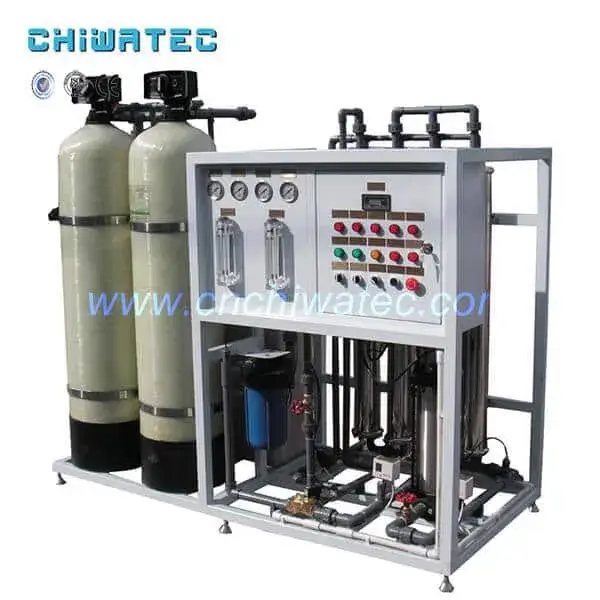
A máquina de agua pura is a water treatment device utilizing RO (Reverse Osmosis) principle to treat tap water or well water, producing water meeting pure water quality standards.
RO Reverse Osmosis Technology:
- Uses semi-permeable membrane with 0.0001 micron pore size
- Removes 95-99% of dissolved solids, contaminants, and impurities
- Effectively eliminates bacteria, viruses, heavy metals, and chemical pollutants
- Produces consistent, high-quality drinking water
Pure Water Definition:
Pure water is water filtered through equipo de agua pura (RO systems) that is:
- Free from bacteria and viruses
- Unpolluted and contaminant-free
- Devoid of impurities and odors
- Safe for direct consumption without additional treatment
- Clear, fresh-tasting, and consistent quality
2026 Pure Water Standards: Modern RO water treatment systems achieve TDS levels below 50 ppm, meeting or exceeding international drinking water quality standards including WHO, EPA, and EU directives.
7. How Does Drinking Pure Water Benefit Health?
Responder: Pure water offers multiple health benefits when incorporated into daily hydration routines.
Health Benefits of Pure Water:
- Living Water Properties: High-quality purified water contains sufficient dissolved oxygen and trace beneficial minerals
- Cellular Activation: Activates cells and promotes healthy metabolism throughout the body
- Immune Support: Enhances body immunity and disease resistance
- Detoxification: Helps flush accumulated impurities from body tissues and organs
- Disease Prevention: Clean water consumption reduces disease susceptibility
- Oxygen Delivery: Addresses cellular hypoxia, a contributing factor to many health conditions
Scientific Perspective:
Research indicates many diseases relate to cellular hypoxia and toxin accumulation. Pure drinking water with adequate oxygen content supports optimal cellular function and natural detoxification processes.
8. Is Long-Term Pure Water Consumption Safe? Addressing Common Misconceptions
Responder: Claims that pure water is unhealthy for long-term consumption lack scientific support. Let’s examine the evidence.
Claim: “Pure water is soft water lacking nutrients beneficial to human health. Long-term drinking is unhealthy.”
Scientific Response:
1. Primary Purpose of Drinking Water:
- People drink water primarily for hydration, not nutrient absorption
- Most critical water quality indicator is purity and cleanliness
- Pure water excels in purity, meeting this fundamental requirement
- High solubility assists body metabolism, helping flush impurities from organs
- Regular pure water consumption improves immunity and reduces stone disease and cardiovascular disease incidence
2. Mineral Content Reality:
- Water contains both organic minerals (from plants/animals, digestible) and inorganic minerals (from soil/rocks, largely indigestible)
- Humans require primarily organic minerals (approximately 1% of total minerals in water)
- Most inorganic minerals in water cannot be absorbed by human digestive systems
- Only plants can convert inorganic minerals to organic forms through photosynthesis
- Unabsorbed minerals must be filtered by kidneys and excreted, potentially contributing to stone formation
3. Mineral Intake Comparison:
- One glass of orange juice contains more beneficial minerals than 110 liters of tap water
- One piece of sea cucumber contains minerals equivalent to 1 ton of water
- Food provides 95%+ of daily mineral requirements
Expert Consensus:
Dr. Henry A. Schroter, renowned scientist and world mineral authority, stated: “The mineral content in water required by the human body is not important compared with mineral content in food. There is almost no phenomenon of mineral deficiency due to drinking pure water.”
American medical publications confirm: “Most minerals needed by the body are extracted from food. Drinking water does not significantly contribute to mineral intake.”
Conclusion: Relying on water for mineral intake is inefficient and potentially problematic. Balanced diet provides adequate minerals; pure water provides optimal hydration without unnecessary contaminants.
2026 Drinking Water Industry Trends
los drinking water treatment industry continues evolving with enhanced technologies and consumer awareness:
- Smart Water Systems: IoT-enabled RO systems with real-time water quality monitoring, filter life tracking, and automatic maintenance alerts
- High-Efficiency Membranes: Next-generation RO membranes achieving 75%+ water recovery rates, reducing wastewater by 40%
- Remineralization Technology: Optional mineral cartridges adding calcium, magnesium, and alkalinity for enhanced taste
- UV-LED Disinfection: Energy-efficient UV-C LED systems providing additional pathogen protection
- Sustainability Focus: Eco-friendly materials, recyclable filters, and reduced plastic consumption
Market analysts project the global home water purification sector will reach $78 billion by 2030, driven by health consciousness and water quality concerns.
Conclusión
Conocimiento de agua potable saludable empowers individuals and families to make informed decisions about water quality y tratamiento de aguas. Understanding water’s role in human physiology, daily intake requirements, and water quality standards forms the foundation for optimal hydration.
While traditional methods like boiling provide basic disinfection, modern water pollution challenges require advanced water treatment technologies like RO reverse osmosis systems. Pure water offers superior safety, consistency, and health benefits compared to boiled tap water, without the mineral deficiency concerns often raised by critics.
As drinking water technology advances with smart features and improved efficiency, staying current with healthy drinking water knowledge remains essential for optimal health outcomes and water quality assurance.
FAQ
1. How much water should I drink daily for optimal health?
Adults typically require 2-3 liters (8-12 cups) daily, but individual needs vary based on body weight, activity level, climate, and health status. Monitor urine color (pale yellow indicates adequate hydration) and drink when thirsty. 2025 research emphasizes individualized hydration over rigid volume targets.
2. Is boiled tap water safe for daily drinking?
Boiling effectively kills bacteria and viruses but does NOT remove heavy metals, chemical contaminants, or pesticides. These contaminants may actually concentrate during boiling. For comprehensive water safety, RO reverse osmosis systems provide superior protection against modern water pollution.
3. Does pure water lack essential minerals needed for health?
No. Food provides 95%+ of daily mineral requirements. One glass of orange juice contains more beneficial minerals than 110 liters of tap water. Medical experts confirm mineral deficiency from drinking pure water is essentially non-existent with balanced diet.
4. What makes water “good” for drinking?
Good drinking water is contaminant-free (no heavy metals, chlorine byproducts, pesticides), has pH 7.0-8.5, contains sufficient dissolved oxygen, meets microbiological safety standards, and tastes fresh. WHO 2025 standards specify zero E. coli, lead <0.01 mg/L, and arsenic <0.01 mg/L.
5. How does RO reverse osmosis water treatment work?
RO systems use semi-permeable membranes with 0.0001 micron pores to remove 95-99% of dissolved solids, contaminants, bacteria, and viruses. Water is forced through the membrane under pressure, leaving impurities behind. Modern RO systems achieve TDS below 50 ppm, meeting international drinking water standards.



 Spanish
  English
  Portuguese