

Reverse Osmosis Water Treatment Technology 2026: Complete Guide to RO Systems & Benefits
Meta Description: Discover how reverse osmosis water treatment technology delivers 99%+ salt removal in 2026. Learn RO system benefits, working principles, maintenance tips, and industry applications for commercial and industrial water purification.
Introduction to Reverse Osmosis Water Treatment in 2026
Reverse osmosis water treatment has become the gold standard for water purification across industries in 2026. With global water scarcity affecting over 2 billion people and industrial water demand rising 30% since 2020, RO technology offers an energy-efficient solution delivering 99%+ contaminant removal rates.
Modern reverse osmosis systems combine advanced membrane technology with smart monitoring, reducing operational costs by up to 40% compared to traditional desalination methods. Whether for drinking water production, pharmaceutical processing, or industrial applications, understanding RO water treatment principles is essential for optimizing water quality and system performance.
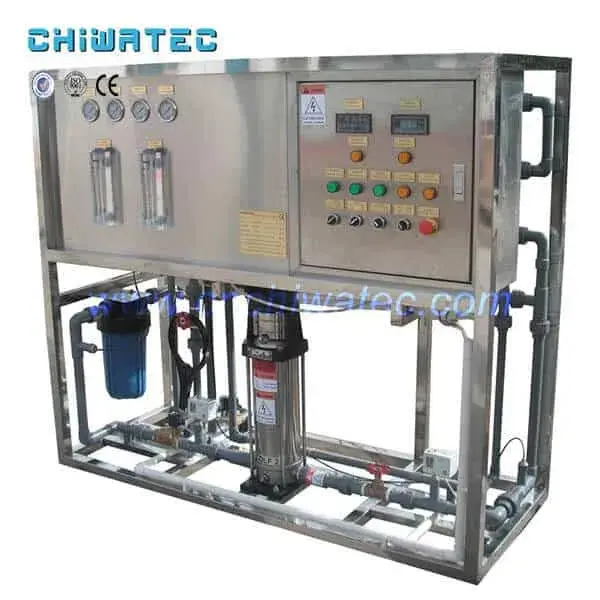
How Reverse Osmosis Water Treatment Works: Core Principles
The Reverse Osmosis Process Explained
Reverse osmosis (RO) operates on a simple yet powerful principle: applying pressure greater than the natural osmotic pressure forces water molecules through a semi-permeable membrane while blocking contaminants. This water purification technology effectively removes:
- Dissolved salts and minerals (TDS reduction up to 99%)
- Bacteria and viruses (99.9% removal rate)
- Heavy metals (lead, mercury, arsenic)
- Organic compounds and pesticides
- Colloids and suspended particles
Key Components of RO Water Treatment Systems
A complete sistema de tratamiento de agua de ósmosis inversa includes:
- Pre-filtration stage: Sediment and carbon filters protect the RO membrane
- High-pressure pump: Generates 150-1000 PSI depending on feed water TDS
- RO membrane module: Spiral-wound or hollow fiber configuration
- Post-treatment: UV sterilization and remineralization for drinking water
- Control system: Automated monitoring of pressure, flow, and water quality
Main Benefits of Reverse Osmosis Water Treatment Technology
Superior Water Quality Standards
RO water treatment consistently produces water meeting WHO, EPA, and EU drinking water standards. The membrana de osmosis inversa achieves salt rejection rates exceeding 99%, making it ideal for applications requiring ultra-pure water.
Energy Efficiency and Cost Savings
Compared to thermal desalination, tecnología de ósmosis inversa consumes 3-10 kWh per cubic meter of produced water—up to 75% less energy. In 2026, new energy recovery devices (ERDs) further reduce operational costs by capturing pressure from concentrate streams.
Scalability Across Industries
From residential under-sink units to industrial plants producing 100,000+ m³/day, RO systems scale efficiently. Key applications include:
- Municipal drinking water treatment
- Pharmaceutical and biotech water purification
- Food and beverage processing
- Power plant boiler feed water
- Semiconductor manufacturing
- Desalination for coastal communities
Environmental Sustainability
Modern tratamiento de agua por osmosis inversa minimizes environmental impact through zero liquid discharge (ZLD) configurations and brine concentration technologies, reducing wastewater discharge by up to 95%.
2026 Industry Trends in Reverse Osmosis Technology
Smart Monitoring and IoT Integration
The global RO water treatment market is projected to reach $115 billion by 2028, driven by IoT-enabled systems offering real-time monitoring of membrane performance, pressure differentials, and water quality parameters. Predictive maintenance algorithms reduce downtime by 35%.
Advanced Membrane Materials
Graphene oxide and thin-film nanocomposite (TFN) membranes introduced in 2025-2026 offer 50% higher flux rates with improved fouling resistance, extending membrane life from 3-5 years to 7-10 years.
Hybrid Treatment Systems
Combining osmosis inversa with forward osmosis (FO), electrodeionization (EDI), or advanced oxidation processes (AOP) creates hybrid systems achieving 99.99% contaminant removal for ultra-pure water applications.
For more insights on system optimization, read our guide on RO System Operation and Maintenance.
Optimizing Your Reverse Osmosis Water Treatment System
Pre-Treatment Best Practices
Proper pre-treatment extends Membrana de ósmosis inversa lifespan and maintains optimal performance:
- Multi-media filtration: Removes suspended solids down to 10 microns
- Activated carbon: Eliminates chlorine (which damages polyamide membranes)
- Antiscalant dosing: Prevents calcium carbonate and sulfate scaling
- pH adjustment: Maintains 6.5-7.5 for optimal membrane performance
Monitoring Key Performance Indicators
Track these metrics to ensure tratamiento de agua por osmosis inversa efficiency:
- Permeate flow rate: Should remain within 10% of design specifications
- Salt passage: Increase indicates membrane degradation
- Pressure differential: Rising ΔP signals fouling requiring cleaning
- Recovery rate: Typically 50-85% depending on feed water quality
Learn more about water purification system principles and process flow optimization.
Conclusion: The Future of Reverse Osmosis Water Treatment
Reverse osmosis water treatment technology continues to evolve as the most reliable solution for global water challenges. With advancing membrane materials, smart monitoring systems, and energy recovery innovations, RO systems in 2026 deliver unprecedented efficiency and water quality.
Whether you need a small-scale water purification unit or an industrial desalination plant, understanding reverse osmosis principles ensures optimal system selection and operation. As water scarcity intensifies, investing in proven RO technology becomes not just an operational decision, but a strategic imperative for sustainable business growth.
Explore our comprehensive drinking water treatment process guide for additional purification strategies.
Frequently Asked Questions (FAQ) About Reverse Osmosis Water Treatment
What is the salt removal rate of reverse osmosis systems?
Modern tratamiento de agua por osmosis inversa systems achieve salt rejection rates of 99% to 99.7%, depending on membrane type and operating conditions. High-rejection membranes can reach 99.9% for specialized applications.
How often should RO membranes be replaced?
With proper pre-treatment and maintenance, RO membranes typically last 3-5 years in standard applications. Advanced TFN membranes introduced in 2025-2026 can extend service life to 7-10 years with optimal operating conditions.
What is the energy consumption of reverse osmosis technology?
RO water treatment consumes 3-10 kWh per cubic meter of produced water, significantly lower than thermal desalination (15-25 kWh/m³). Energy recovery devices can reduce consumption by an additional 40-60%.
Can reverse osmosis remove bacteria and viruses?
Yes, membranas de osmosis inversa effectively remove 99.9% of bacteria, viruses, and protozoa due to their pore size (0.0001 microns). However, post-treatment UV sterilization is recommended for critical drinking water applications.
What industries benefit most from RO water treatment?
Key industries include pharmaceuticals, food and beverage, power generation, semiconductors, textiles, and municipal water utilities. Tecnología de ósmosis inversa serves applications ranging from ultrapure water for manufacturing to desalination for coastal communities
SÍGANOS
Do you have a water treatment project we can help with?
Designing, machining, installing, commissioning, customize and one-stop service






 Spanish
  English
  Portuguese




