

Water quality analyzers are critical instruments for environmental monitoring and wastewater treatment, with pH meters and dissolved oxygen (DO) sensors being the most widely deployed technologies. As global water protection regulations tighten in 2026, understanding water quality analyzer features and maintenance best practices has become essential for ensuring accurate measurements, extending equipment lifespan, and maintaining compliance with discharge standards.
Key Features of Water Quality Analyzers in 2026
Modern water quality analyzers combine precision measurement capabilities with intelligent diagnostics, offering unprecedented reliability for industrial and municipal applications.
1. pH Meter Features and Characteristics
los pH electrode is the heart of pH measurement systems, utilizing a specialized glass membrane that responds to hydrogen ion concentration. Key characteristics include:
Electrode Aging and Lifespan
Glass electrodes gradually age over time, causing gradient deterioration (reduced potential change per pH unit) and longer stabilization times. Typical electrode lifespan reaches 2 years under normal operating conditions.
- Temperature Impact: Storage at 100°C for several weeks causes aging equivalent to one year at room temperature
- Calibration Frequency: Every 4-6 weeks for optimal accuracy
- Advantages: High precision, high reliability, easy installation and maintenance
- Sensitivity: Requires frequent calibration due to pollution susceptibility
Technical Specifications
- Rango de medicion: pH 0-14
- Precisión: ±0.01 to ±0.1 pH depending on application
- Response Time: 30 seconds to 2 minutes for stable reading
- Output Signal: 4-20mA with HART or Profibus communication
2. Dissolved Oxygen Meter Features
Dissolved oxygen analyzers monitor oxygen concentration in water, critical for biological treatment processes and environmental assessment.
Key Advantages
- Easy Installation: Immersion or flow-through mounting options
- Extended Calibration Period: 3-4 months between calibrations
- Selective Measurement: Insensitive to interfering substances
- Self-Monitoring: Real-time electrolyte and membrane status indication
Intelligent Transmitter Features
Modern transmitters like the COM252 Dissolved Oxygen Transmitter offer advanced capabilities:
- HART/Profibus Communication: Integration with SCADA and DCS systems
- Self-Diagnosis Function: Automatic fault detection with diagnostic codes
- Maintenance Guidance: Fault codes direct technicians to specific troubleshooting procedures
- Reduced Maintenance: Intelligent diagnostics minimize downtime and workload
Consumable Replacement Schedule
- Electrolyte: Replace every 1-3 years depending on usage
- Membrana: Replace every 1-3 years or when damaged
- Probe Assembly: Complete replacement every 3-5 years
Installation Best Practices for Water Quality Analyzers
1. pH Meter Installation Methods
Two primary installation configurations exist for pH meters in wastewater treatment applications:
Flow-Through Installation
Sample water flows through a measurement chamber containing the electrode. Suitable for laboratory and sidestream applications.
Immersion Installation (Recommended for Sewage Plants)
The electrode is directly immersed in the process stream. Optimal locations include:
- Oxidation Ditch Outlet Overflow: Representative pH values with stable flow
- Aeration Tank Effluent: Monitors biological treatment performance
- Final Effluent Channel: Compliance monitoring before discharge
Immersion installation minimizes mechanical shock and provides continuous real-time measurements without sample transport delays.
Cable Management
The dedicated sensor-to-transmitter cable requires special attention:
- Moisture Protection: Cable must remain dry to prevent signal degradation
- High-Impedance Signals: Low-voltage electrode signals are susceptible to interference
- Proper Sealing: Use waterproof connectors and conduit
2. Dissolved Oxygen Meter Installation
DO meters are typically installed in immersion configuration with manufacturer-supplied mounting brackets.
Mounting Bracket Requirements
- Stainless Steel Construction: Corrosion-resistant materials for long-term durability
- Plastic Chain Adjustment: Enables precise sensor depth control
- Guide Tube Design: Maintains vertical sensor orientation
- Wave-Induced Cleaning: Bracket design transfers surface fluctuations to create slight vibration, providing self-cleaning action on the probe surface
Installation Warnings
Avoid common installation mistakes that compromise sensor performance:
- DIY Brackets: Homemade brackets often have poor sealing, allowing sewage infiltration and cable damage
- Direct Immersion: Placing sensors without brackets creates cable tension and increases damage risk
- Inadequate Sealing: Poor seals between immersion tube and sensor permit long-term sewage exposure
Maintenance Procedures for Water Quality Analyzers
1. pH Meter Maintenance Schedule
Monthly Maintenance
- Electrode Cleaning:
- Spray attachments with gentle water stream
- Soak electrode in appropriate cleaning solution
- Rinse thoroughly with clean water
- Clean sensor holder simultaneously
- Calibration:
- Use manufacturer-provided buffer solutions (pH 4.01 and 7.00)
- Avoid generic calibration solutions with insufficient accuracy
- Perform 2-point calibration for zero and slope adjustment
Electrode Storage
When not measuring, install the yellow protective sleeve to maintain electrode moisture, extending service life significantly.
Calibration Best Practices
- pH 7.00 Buffer: Calibrates instrument zero point
- pH 4.01 Buffer: Calibrates signal output slope
- Domestic Solutions: pH 4.00 solutions may be acceptable; pH 7.00 solutions often lack sufficient accuracy
- Recommendation: Always use manufacturer-certified calibration solutions
2. Dissolved Oxygen Meter Maintenance
Weekly Maintenance
- Gentle Cleaning: Rinse probe with clean water to remove biofilm and debris
- Visual Inspection: Check membrane integrity and electrolyte level
Membrane Maintenance
- Damage Response: Replace membrane immediately if torn or punctured
- Contamination: Replace electrolyte when contaminated
- Chemical Exposure: Sewage containing H₂S, NH₃, benzene, or phenol damages membranes—frequent replacement required
Electrode Quality Assessment
Visual inspection reveals electrode condition:
- Reference Electrode: Should appear dark gray
- Cathode (Gold): Should be yellow/golden
- Counter Electrode (Silver): Must be bright and shiny
- Discoloration: Indicates need for cleaning or regeneration
2026 Market Trends: Water Quality Analyzer Technology
The global water quality monitoring market continues rapid evolution, driven by regulatory requirements and technological innovation:
- Smart Sensors: IoT-enabled analyzers with cloud connectivity and predictive maintenance
- Optical DO Sensors: Luminescence-based technology eliminating membrane and electrolyte requirements
- Multi-Parameter Platforms: Single instruments measuring pH, DO, conductivity, turbidity, and temperature
- AI-Powered Diagnostics: Machine learning algorithms detect anomalies and predict maintenance needs
- Wireless Communication: LoRaWAN, NB-IoT, and 5G enabling remote monitoring networks
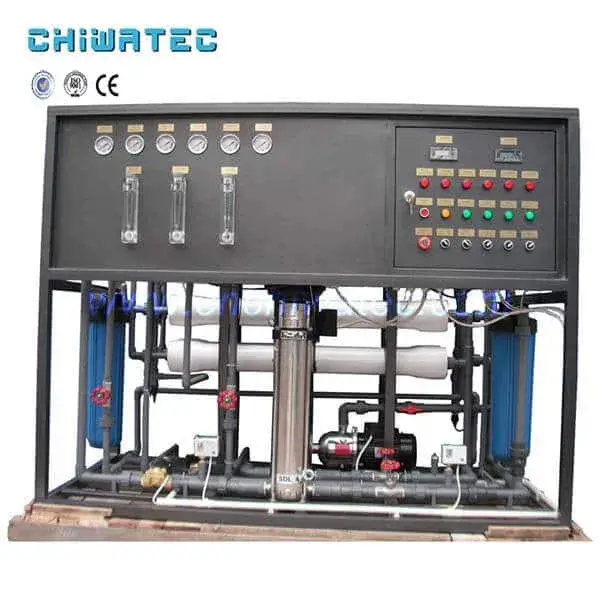
Integration with reverse osmosis (RO) systems provides comprehensive water treatment monitoring, ensuring optimal performance across entire treatment trains.
Common Troubleshooting Scenarios
pH Meter Issues
- Slow Response: Clean or replace aged electrode
- Drifting Readings: Check cable moisture, recalibrate
- Inaccurate Measurements: Verify calibration solution freshness, replace electrode if gradient deteriorated
Dissolved Oxygen Meter Issues
- Low Readings: Check membrane integrity, replace electrolyte
- Unstable Signal: Verify flow rate meets minimum 0.5 cm/s requirement
- Fault Codes: Consult maintenance manual for specific diagnostic guidance
Conclusion: Maximizing Water Quality Analyzer Performance
Proper water quality analyzer features and maintenance understanding is critical for reliable environmental monitoring and wastewater treatment optimization. By following manufacturer installation guidelines, implementing regular maintenance schedules, and leveraging intelligent diagnostic capabilities, facilities can ensure accurate measurements, extend equipment lifespan, and maintain regulatory compliance. As technology advances, modern analyzers offer unprecedented reliability and reduced maintenance burden, making them indispensable tools for water resource protection in 2026 and beyond.
Explore our water treatment products for complete monitoring and treatment solutions.
FAQ: Water Quality Analyzer Features and Maintenance
Q1: How often should pH electrodes be replaced?
Typical pH electrode lifespan is 2 years under normal conditions. High-temperature applications or harsh chemicals may reduce lifespan to 12-18 months. Monitor response time and calibration stability to determine replacement timing.
Q2: Why does my dissolved oxygen meter require membrane replacement?
Membranes protect the electrode from contamination while allowing oxygen diffusion. Over time, membranes degrade, become fouled, or suffer chemical damage (especially from H₂S, NH₃). Regular replacement ensures accurate measurements.
Q3: Can I use generic calibration buffers for pH meters?
While pH 4.00 buffers may be acceptable, pH 7.00 domestic solutions often lack sufficient accuracy. Always use manufacturer-certified calibration solutions for reliable results.
Q4: What causes dissolved oxygen sensor fault codes?
Fault codes indicate specific issues: membrane failure, electrolyte depletion, cable problems, or electronics malfunction. Modern transmitters like COM252 provide diagnostic codes that guide troubleshooting via maintenance manuals.
Q5: How do I prevent pH electrode drying?
Always install the protective sleeve when electrodes are not measuring. The sleeve maintains a moist environment around the glass membrane, preventing dehydration and extending electrode life.
Related Reading
¿Tiene un proyecto de tratamiento de agua con el que podamos ayudar?
* Diseño, mecanizado, instalación, puesta en marcha, personalización y servicio integral






 Spanish
  English
  Portuguese




