

Classification and Introduction of Water Purifiers — Understanding Modern Water Purification Technologies
This comprehensive guide provides an in-depth introduction to water purifiers and their classifications. Learn about the main purification technologies, including osmosis inversa, ultrafiltración, activated carbon filtration, softening, and mineralization, as well as their advantages, limitations, and applications in household and industrial water treatment.
1. Introduction to Water Purification
Clean and safe drinking water is essential to health, comfort, and industry. However, water sources often contain contaminants such as suspended solids, heavy metals, microorganisms, and organic pollutants. Modern purificadores de agua employ various physical, chemical, and membrane separation technologies to ensure water safety and improve its taste and quality.
Depending on the treatment method, water purifiers can be divided into 11 main types, each designed to target specific impurities and meet different water quality needs.
2. Main Types of Water Purification Methods
(1) Softening Method
los water softening method removes or reduces water hardness by eliminating calcium and magnesium ions responsible for scale formation. Softened water prevents scaling in pipes and appliances but does not improve overall water purity since it does not remove organic or chemical contaminants.
(2) Distillation Method
Distillation involves boiling water, collecting the vapor, and condensing it into pure water. The resulting distilled water is free of bacteria and most inorganic substances. However, it lacks essential minerals, leading some experts to question its long-term health benefits. Distillation also consumes significant energy and cannot remove volatile organic compounds.
(3) Boiling Method
los método de ebullición is one of the oldest and simplest ways to disinfect water. Boiling effectively kills most bacteria and viruses, but it does not remove heavy metals or chemical pollutants. Therefore, while safer than untreated tap water, boiled water may still contain harmful residues.
(4) Magnetization Method
Magnetized water treatment exposes water to a magnetic field, theoretically altering its molecular structure to reduce scaling. However, this method remains controversial and lacks strong scientific validation. It is not widely adopted in professional or international water purification systems.
(5) Mineralization Method
Mineralización enhances purified water by adding beneficial minerals such as calcium, magnesium, and zinc. This process aims to improve taste and health benefits. While some purifiers use maifan stone or mineral cartridges, the scientific effectiveness of artificial mineralization is still debated.
(6) Ozone and Ultraviolet Sterilization
Both ozone y ultraviolet (UV) disinfection methods effectively kill bacteria and viruses but do not remove heavy metals, chemicals, or dissolved solids. Moreover, dead microorganisms can remain in the water, making secondary filtration necessary.
(7) Water Regulator (Electrolyzed Water Purifier)
Developed in Japan, electrolyzed water purifiers produce alkaline and acidic water through electrolysis. Alkaline water is believed to benefit human metabolism, while acidic water can be used for skincare. However, scientific consensus on these claims remains uncertain, and further research is ongoing.
(8) Activated Carbon Adsorption
Activated carbon is one of the most effective materials for adsorbing organic pollutants, chlorine, odor, and taste from water.
There are several types:
- Granular Activated Carbon (GAC): Derived from coconut shells, coal, or wood, GAC has a large surface area that traps contaminants through physical and chemical adsorption.
- Silver-Impregnated Activated Carbon: Combines filtration with antibacterial properties, preventing bacterial growth inside the purifier.
- Activated Carbon Fiber (ACF): A newer form of activated carbon with higher efficiency in removing organic compounds and trace metals.
These filters are widely used in both household water purifiers y industrial pre-treatment systems.
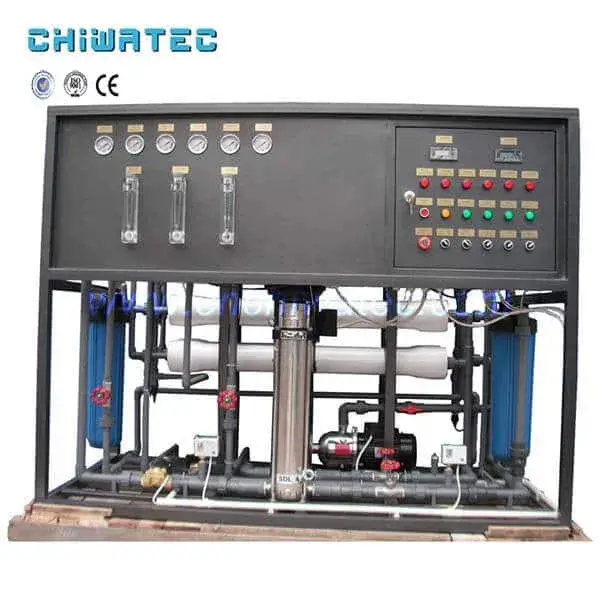
(9) Reverse Osmosis (RO) Filtration
Reverse Osmosis (RO) is the most advanced and widely used purification method today. It uses a semi-permeable membrane with pore sizes around 0.0001 micrometers, allowing only water molecules to pass while rejecting impurities such as heavy metals, bacteria, viruses, and dissolved salts.
RO systems produce pure, great-tasting water suitable for direct drinking, cooking, and industrial use. They are commonly used in households, hotels, hospitals, and laboratories.
Advantages of RO Systems:
- Removes over 99% of contaminants
- Produces clear, odor-free, and great-tasting water
- Reduces scaling and extends appliance life
- Ideal for soft, pure drinking water
Modern RO systems often combine silver-loaded activated carbon filters y ultra-low pressure membranes for enhanced efficiency and longer service life.
(10) Microfiltration and Ultrafiltration
Both microfiltration (MF) y ultrafiltration (UF) are membrane separation technologies used to remove suspended particles, bacteria, and colloids.
- Microfiltration membranes have larger pores and are used as pre-filters.
- Ultrafiltration membranes can remove macromolecules, bacteria, and viruses with pore sizes between 0.01–0.1 microns.
UF systems are often used before RO units to extend membrane lifespan and improve overall purification efficiency.
(11) Composite (Multi-Stage) Water Purifiers
When one method alone cannot achieve desired purity, composite water purifiers combine multiple technologies—such as activated carbon, UV sterilization, ultrafiltration, and reverse osmosis.
This multi-stage design enhances water quality and ensures comprehensive purification, making it ideal for domestic and commercial applications.
Conclusión
los classification of water purifiers reflects the diversity of technologies developed to ensure safe, high-quality drinking water. From traditional boiling and activated carbon adsorption to advanced osmosis inversa y ultrafiltración, each method serves unique needs.
Modern composite water purifiers that integrate membrane technology y adsorption filtration offer the best combination of safety, convenience, and performance. Choosing the right purifier depends on your local water quality, health needs, and budget.
Frequently Asked Questions (FAQ)
1. What is the best water purification method for home use?
For most households, reverse osmosis (RO) systems provide the best balance between purification efficiency, taste, and cost-effectiveness.
2. Is mineralized water better than pure water?
Mineralized water contains beneficial elements but may not be essential if you maintain a balanced diet. RO-purified water is still perfectly safe and healthy.
3. Can boiling water replace water purifiers?
Boiling kills microorganisms but does not remove heavy metals or chemical contaminants. For complete purification, a filtration system is recommended.
4. What’s the difference between ultrafiltration and microfiltration?
Ultrafiltration removes smaller particles, including viruses, while microfiltration targets larger particles like bacteria and sediments.
5. How often should I replace filters in a water purifier?
Typically, filters should be replaced every 6–12 months, depending on usage and local water quality.
Xian CHIWATEC Water Treatment Technology es una empresa de alta tecnología especializada en varios dispositivos de procesamiento de agua. Aparte de estos productos individuales, que cubren una serie de tipos y series, también podemos ayudar con proyectos de ingeniería integrales relacionados. Gracias a nuestro arduo trabajo y dedicación desde nuestra fundación, ahora somos uno de los fabricantes de equipos de tratamiento de agua de más rápido desarrollo en el oeste de China.
Otras lecturas:
- Descripción general del purificador de agua
- Conocimiento sobre purificador de agua.
- Clasificación e introducción de purificadores de agua.
- Características funcionales y aplicación del purificador de agua por ósmosis inversa.
- Características del sistema de purificación de agua por ósmosis inversa e introducción del uso de elementos filtrantes
SÍGANOS
¿Tiene un proyecto de tratamiento de agua con el que podamos ayudar?
* Diseño, mecanizado, instalación, puesta en marcha, personalización y servicio integral






 Spanish
  English
  Portuguese




