Application of Hospital Pure Water Central Processing System
Discover how centralized pure water systems are transforming hospital operations. Learn about their design, advantages, and how they ensure high-quality water for medical, laboratory, and clinical applications. Explore the benefits of implementing a hospital pure water central processing system for improved efficiency, safety, and cost-effectiveness.
1. Introduction to Hospital Pure Water Systems
In modern healthcare facilities, pure water plays a critical role in maintaining hygiene standards, supporting medical testing, and ensuring patient safety. As hospitals continue to modernize, the implementation of a centralized pure water processing and distribution system has become a key component of hospital infrastructure development.
While the pure water project may represent only a small fraction of the total investment, it affects multiple hospital departments and directly impacts clinical accuracy, infection control, and operational efficiency.
Since the 1970s, countries like the United States, Japan, and Germany have adopted strict medical water quality standards and management systems. Following these global best practices, more hospitals in China and other developing regions are transitioning from decentralized water dispensers to centralized water supply systems to ensure consistent water quality and optimized management.
2. Why Hospitals Need Centralized Pure Water Systems
General hospitals require large quantities of high-purity water for different applications, including:
- Biochemical testing and laboratory analysis
- Pathological and microbiological testing
- Hemodialysis and blood purification systems
- Sterilization and surgical irrigation
- Dental and obstetric use
- Pharmaceutical preparation rooms and reagent dilution
- Infant care and neonatal departments
In hospitals built before the 1990s, independent water dispensers were commonly used for each department. However, as medical standards rise and hospitals expand, centralized pure water systems are rapidly replacing outdated setups to achieve better quality control and efficient water management.
3. Advantages of a Centralized Hospital Pure Water Processing System
3.1. Improved Management Efficiency
Centralized water systems are designed with fully automatic operation and monitoring functions, reducing the need for manual intervention. These systems can be connected to the hospital’s central monitoring room, allowing staff to remotely observe parameters like pressure, flow, conductivity, and quality in real time.
This automation improves hospital management efficiency and aligns with modern intelligent hospital standards.
3.2. Reduced Workload for Medical Staff
In a decentralized system, medical personnel often need to manage the operation and maintenance of water dispensers — tasks outside their expertise.
With a centralized system, maintenance is handled by dedicated technicians, allowing doctors and nurses to focus entirely on patient care, minimizing operational errors, and ensuring reliable water quality at all times.
3.3. Space Optimization
Independent water dispensers require each department to allocate separate rooms for water treatment equipment, increasing spatial demand.
A centralized pure water room significantly reduces total space usage by more than 50%, as it can be located flexibly — in the basement, top floor, or podium area — freeing up valuable clinical space for medical operations.
3.4. Lower Equipment Investment and Operating Costs
While the initial setup for a centralized system may appear more significant, the overall investment and operational cost are much lower in the long run.
By sharing one large-capacity water purification unit across departments, hospitals can reduce energy consumption, maintenance expenses, and the number of consumable parts such as filters and membranes.
3.5. Reliable and Stable Water Quality
los centralized pure water supply system uses a closed circulation loop, effectively preventing secondary contamination and stagnation.
Purified water is kept in constant motion, maintaining microbial control and ensuring that all points of use — from surgical theaters to dialysis units — receive water that consistently meets medical-grade purity standards.
4. Technical Highlights of a Hospital Pure Water Central System
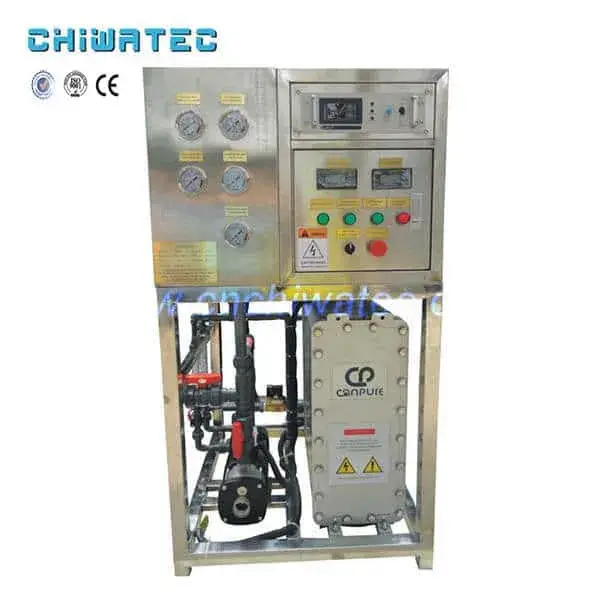
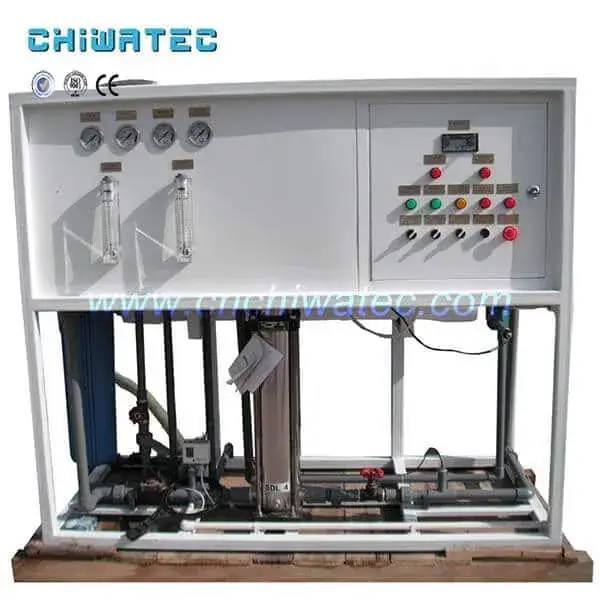
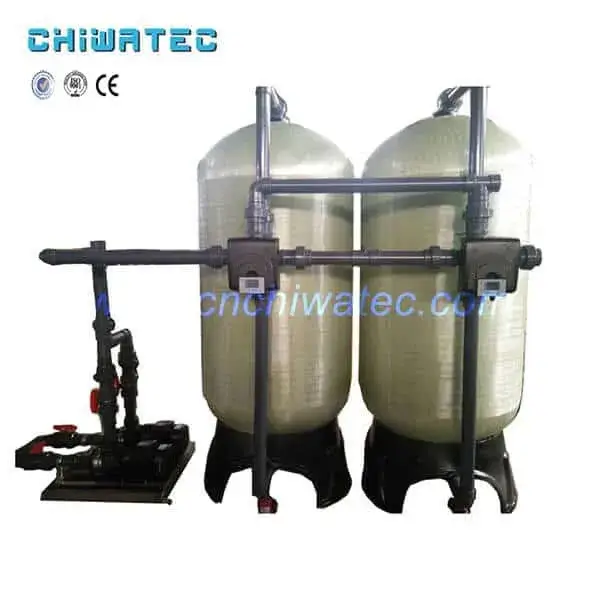
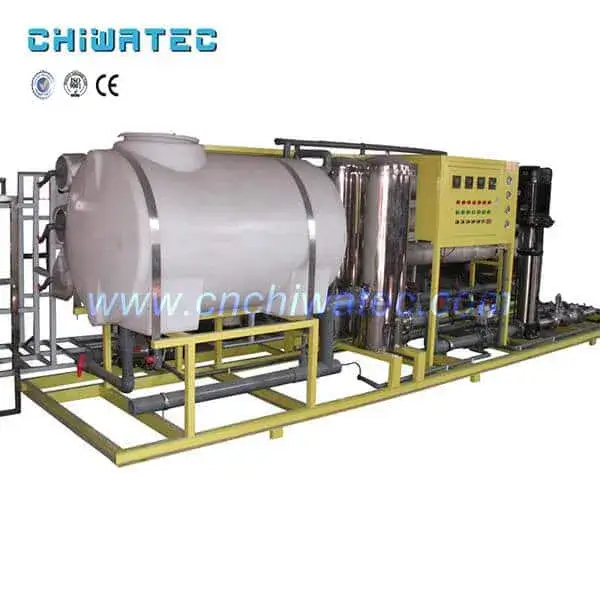
A modern hospital pure water system typically consists of several stages:
- Pre-treatment: Removes chlorine, sediment, and hardness ions.
- Reverse Osmosis (RO): Removes 95–99% of dissolved impurities and microorganisms.
- Deionization and Mixed-Bed Exchange: Achieves ultra-low conductivity levels.
- UV Sterilization and Ultrafiltration: Eliminates bacteria, viruses, and pyrogens.
- Circulation and Distribution Loop: Maintains water quality at every use point.
The system operates under fully automated PLC control with real-time alarms, flow meters, and water quality sensors to ensure reliable operation around the clock.
Conclusion:
los application of hospital pure water central processing systems represents a major step toward modern, efficient, and intelligent hospital management.
By providing stable, high-quality pure water to every department, hospitals can not only improve patient safety and diagnostic accuracy but also reduce operating costs and simplify maintenance.
As more healthcare institutions adopt these systems, they are setting new benchmarks in medical water purification and sustainable healthcare infrastructure.
FAQ
Q1: What is the purpose of a hospital pure water central processing system?
A hospital pure water system provides consistent, medical-grade purified water for various clinical applications such as dialysis, sterilization, and laboratory testing.
Q2: How does a centralized system differ from individual dispensers?
Unlike multiple standalone units, a centralized system serves the entire hospital through one purification hub, ensuring stable quality, reduced costs, and easier management.
Q3: What purification technologies are commonly used in hospital systems?
Key technologies include reverse osmosis (RO), ion exchange, ultraviolet sterilization, and ultrafiltration to achieve high-purity, bacteria-free water.
Q4: How does the system prevent bacterial contamination?
By maintaining closed-loop circulation and using UV sterilization and ultrafiltration, the system prevents stagnation and secondary contamination.
Q5: Can the system be customized for different hospital sizes?
Yes. CHIWATEC and similar manufacturers offer custom-designed hospital pure water systems based on capacity, water source, and departmental needs.
Xian CHIWATEC Water Treatment Technology es una empresa de alta tecnología especializada en varios dispositivos de procesamiento de agua. Aparte de estos productos individuales, que cubren una serie de tipos y series, también podemos ayudar con proyectos de ingeniería integrales relacionados. Gracias a nuestro arduo trabajo y dedicación desde nuestra fundación, ahora somos uno de los fabricantes de equipos de tratamiento de agua de más rápido desarrollo en el oeste de China.
Otras lecturas:
- Análisis de las ventajas de la aplicación del sistema de procesamiento central de agua pura del hospital
- Fuente de aguas residuales hospitalarias
- ¿Cómo lidiar con las aguas residuales en el hospital de oftalmología?
- Requisitos para la construcción de equipos de tratamiento de aguas residuales hospitalarias.
- Tecnología de tratamiento de lodos y gases residuales del sistema de tratamiento de aguas residuales del hospital
- Tecnología de desinfección de aguas residuales hospitalarias.
- Sistema de tratamiento de aguas residuales hospitalarias
- Proceso de tratamiento de aguas residuales hospitalarias.
- Aplicación del sistema de procesamiento central de agua pura del hospital
- Hospital
SÍGANOS
¿Tiene un proyecto de tratamiento de agua con el que podamos ayudar?
* Diseño, mecanizado, instalación, puesta en marcha, personalización y servicio integral

 Spanish
  English
  Portuguese