How Is Hard Water Converted into Soft Water?
Water hardness, also known as mineral content, refers to the concentration of calcium and magnesium salts dissolved in water. Higher concentrations indicate greater hardness, while lower concentrations indicate lower hardness. One degree of hardness is equivalent to 10 mg of calcium oxide (or its equivalent) per liter of water. Soft water has a hardness level less than 8, such as rainwater, distilled water, and purified water. On the other hand, hard water has a hardness level greater than 8, as found in mineral water, tap water, surface water, and groundwater in nature.
Hard water is further categorized into temporary hardness and permanent hardness. Temporary hardness is caused by bicarbonate forms of calcium and magnesium and can be removed by boiling. This type of hardness is also known as carbonate hardness. Permanent hardness, on the other hand, results from salts like calcium sulfate and magnesium sulfate and cannot be removed by boiling. The combined hardness of both types is referred to as total hardness.
Formation of Hard Water:
When water condenses in the atmosphere, it absorbs carbon dioxide, forming carbonic acid. Eventually, this carbonic acid reaches the ground with rainwater, seeping through the soil to reach rock layers. It dissolves limestone (calcium carbonate and magnesium carbonate), creating temporary hardness. Some hard water in areas near caves and karst landscapes is formed in this manner.
Disadvantages of Hard Water:
- Reduced Cleaning Efficiency: Hard water reacts with soap to form insoluble precipitates, reducing the effectiveness of cleaning products. (This property can be used to distinguish between hard and soft water.)
- Industrial Concerns: In industrial settings, the precipitation of calcium and magnesium salts can lead to scale formation, hindering heat transfer and, in severe cases, causing boiler explosions. Dealing with hard water-related issues in industry can cost millions of dollars annually in equipment maintenance and replacement.
- Health and Culinary Impact: Consuming hard water can affect human health and daily life. Occasional consumption by individuals not accustomed to hard water can lead to gastrointestinal upset, often referred to as “traveler’s tummy.” Cooking fish, meat, and vegetables with hard water may affect their nutritional value due to slower cooking times. Brewing tea with hard water can alter its color, flavor, and aroma, diminishing its drinking appeal. Making tofu with hard water not only reduces yields but also affects the nutritional content of the tofu.
However, hard water isn’t entirely without benefits. After all, calcium and magnesium are essential macroelements in our diet. Scientific studies have found that certain cardiovascular diseases, such as hypertension and atherosclerotic heart disease, have lower mortality rates in areas with hard water. In fact, drinking overly soft or hard water over an extended period is not conducive to good health. In China, it is regulated that drinking water hardness should not exceed 25 degrees.
Methods of Water Softening:
Hard water can be softened through various methods, depending on the type of hardness.
- Boiling Method (Suitable for Temporary Hardness):
- Reaction during boiling: Ca(HCO3)2 → CaCO3 ↓ + H2O + CO2↑ Mg(HCO3)2 → MgCO3↓ + H2O + CO2↑
- Calcium carbonate (CaCO3) is insoluble, while magnesium carbonate (MgCO3) is sparingly soluble. Under further heating, magnesium carbonate can react with water to form even less soluble magnesium hydroxide (Mg(OH)2).
- Lime-Soda Method (Industrial Use):
- In this method, temporary hardness is entirely eliminated by adding lime. Bicarbonates are converted into carbonates. Meanwhile, the permanent hardness caused by magnesium salts is transformed into an equivalent amount of calcium hardness and subsequently removed. During the process, magnesium precipitates as magnesium hydroxide, while calcium forms calcium carbonate. Ca2+(aq) — Lime-Soda Method –> CaCO3(s) Mg2+(aq) — Lime-Soda Method –> Mg(OH)2(s)
- Ion Exchange Method:
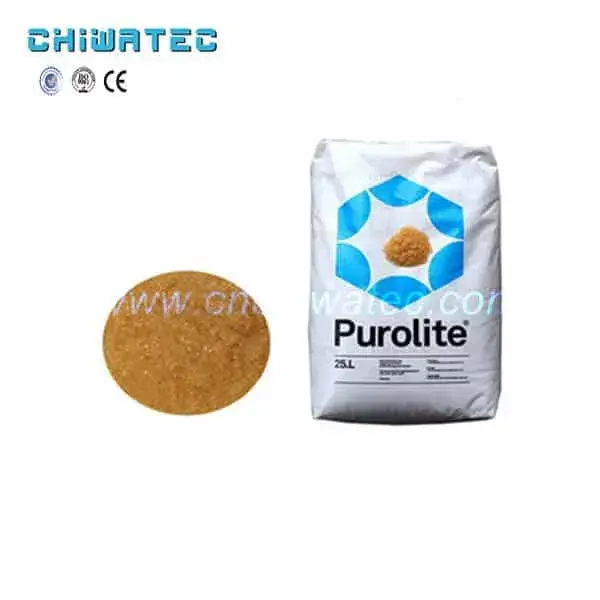
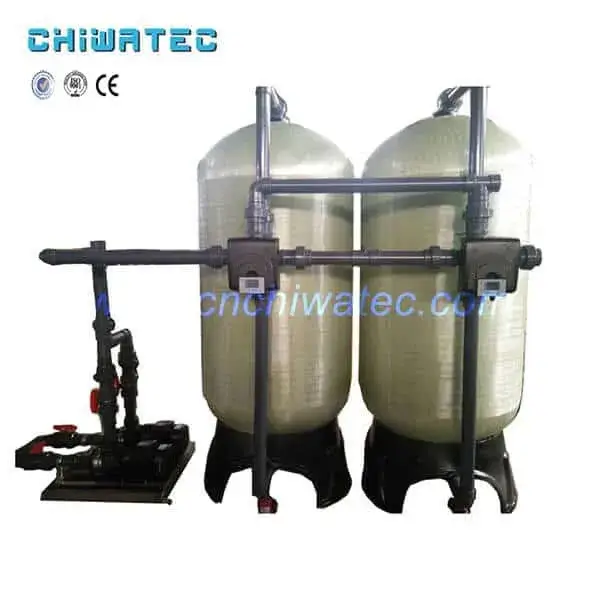
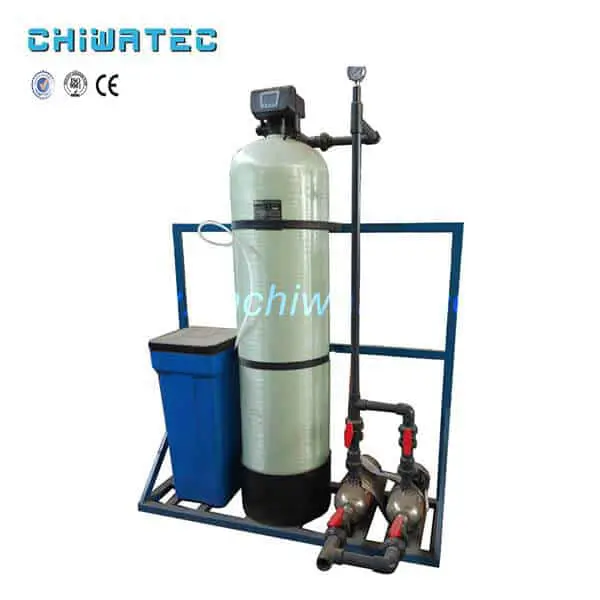
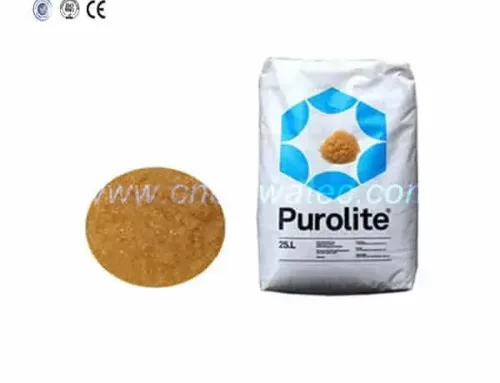
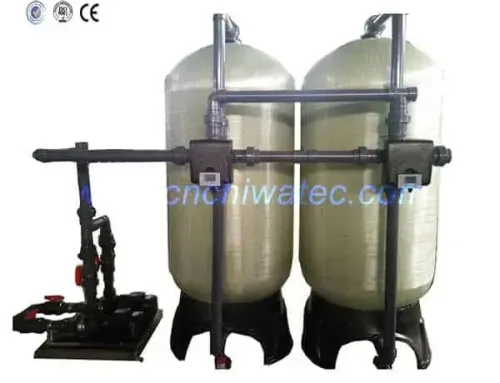
- This method involves the use of ion exchange resins, which can be either inorganic, such as zeolite, or organic, including sulfonated enzymes and ion exchange resins. Additionally, most ion exchange resins can be regenerated after reaching saturation.
Conclusion:
Water hardness can be effectively removed or reduced through various softening methods, depending on the type of hardness present. The choice of method depends on the specific application and the desired water quality, ensuring that hard water’s disadvantages are mitigated while retaining the potential health benefits of essential minerals.
Xi'an CHIWATEC A Water Treatment Technology é uma empresa de alta tecnologia especializada em vários dispositivos de processamento de água. Além desses produtos individuais, que abrangem vários tipos e séries, também podemos ajudar com projetos de engenharia abrangentes relacionados. Graças ao nosso trabalho árduo e dedicação desde a nossa fundação, somos agora um dos fabricantes de equipamentos de tratamento de água com desenvolvimento mais rápido na China Ocidental.
Leitura adicional
- Qual é a principal função do equipamento de tratamento de água amaciada para amaciamento de água de caldeira?
- Introdução às vantagens dos amaciadores de água automáticos, amaciadores de água e equipamentos de amaciamento de água
- Por que fazer a manutenção de rotina do equipamento automático de amaciamento de água da caldeira
- Selection method of water softening equipment for steam boiler
- Importância da seleção de resina para equipamentos de amaciamento de água de caldeira
- Pontos de instalação de equipamentos automáticos de amaciamento de água à prova de explosão
SIGA-NOS
Você tem um projeto de tratamento de água que podemos ajudar
* Projetar, usinar, instalar, comissionar, personalizar e serviço de balcão único

 Portuguese
  English
  Spanish