Emerging Technologies for Activated Carbon Regeneration
Activated carbon is one of the most widely used adsorbents in water and wastewater treatment, air purification, and industrial processes. However, its adsorption capacity decreases after repeated use due to saturation with organic and inorganic pollutants. To maintain performance and reduce costs, regeneration technologies are essential. In recent years, several emerging activated carbon regeneration methods have been developed to improve efficiency, reduce energy consumption, and minimize secondary pollution.
This article explores six promising technologies: solvent regeneration, electrochemical regeneration, supercritical fluid regeneration, ultrasonic regeneration, microwave irradiation regeneration, and catalytic wet oxidation.
1. Solvent Regeneration
o solvent regeneration method relies on the phase equilibrium between activated carbon, solvent, and adsorbed pollutants. By adjusting temperature, solvent pH, or chemical affinity, pollutants can be desorbed from activated carbon.
- Mechanisms:
- Altering pollutant chemical properties.
- Using solvents with higher affinity than carbon.
- Employing displacement agents (mainly for pollutant recovery).
- Types:
- Inorganic solvents: Acids (H₂SO₄, HCl) or bases (NaOH).
- Organic solvents: Mixed organic compounds, some of which can be distilled and reused.
- Applications & Limitations:
- Suitable for reversible adsorption, especially for high-concentration and low-boiling-point organics.
- Limited to specific pollutants — making its industrial application narrow.
2. Electrochemical Regeneration
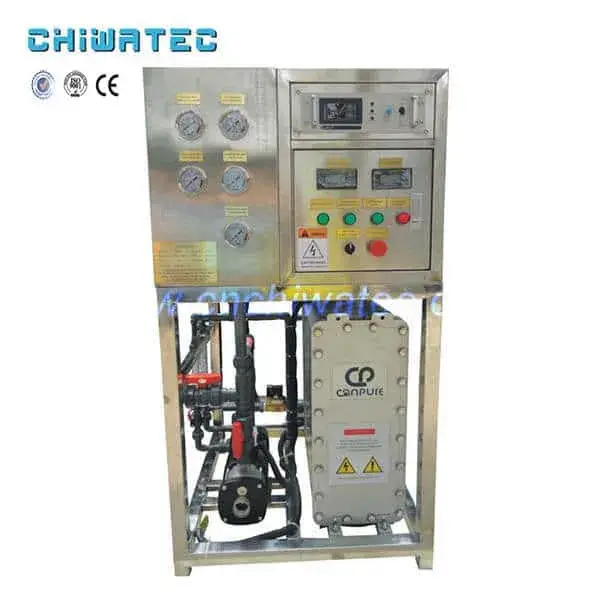
Electrochemical regeneration is a novel technology that uses activated carbon packed between two electrodes in an electrolyte. Under a DC field, carbon is polarized, creating micro-electrolysis zones.
- Mechanisms:
- Oxidation at the anode and reduction at the cathode.
- Pollutants degrade or desorb under electric field influence.
- Advantages:
- High regeneration efficiency (up to 90%).
- Low energy consumption.
- Minimal secondary pollution.
- Key Factors:
- Electrolyte concentration (NaCl) significantly impacts efficiency.
- Regeneration current, duration, and position also affect performance.
3. Supercritical Fluid Regeneration
UMA supercritical fluid is formed when temperature and pressure exceed critical values. In this state, fluids have exceptionally high solubility for certain pollutants, making them ideal for regeneration.
- CO₂ Supercritical Fluid:
- Critical temperature: 31°C.
- Critical pressure: 7.2 MPa.
- Non-toxic, non-flammable, eco-friendly.
- Findings:
- Regeneration efficiency varies significantly near the CO₂ critical point.
- Pre-treatment (e.g., HCl wash) enhances performance.
- Best regeneration occurs at optimized temperature (308–318K) and pressure conditions.
- Formulários:
- Suitable for pollutants like phenols and dyes.
- Promising for industries with waste heat recovery.
4. Ultrasonic Regeneration
Ultrasonic regeneration works by applying localized energy at the carbon surface, causing adsorbed molecules to detach without heating bulk water or carbon.
- Advantages:
- Energy-efficient.
- Low carbon loss (0.6–0.8% per cycle).
- Simple equipment.
- Useful for recovering valuable compounds.
- Limitations:
- Only effective for physical adsorption.
- Current efficiency ~ 45%.
- Strongly influenced by pore size distribution.
5. Microwave Irradiation Regeneration
Microwave irradiation builds on thermal regeneration but uses microwave heating for faster and more uniform desorption.
- Advantages:
- Short regeneration time.
- Low energy demand.
- Simple equipment design.
- Research Findings:
- Optimal regeneration occurs with controlled microwave power and irradiation time.
- Efficiency highly dependent on pollutant adsorption amount.
- Challenges:
- Potential formation of intermediate by-products.
- Requires further study before large-scale application.
6. Catalytic Wet Oxidation
Conventional wet oxidation suffers from low efficiency and high energy use. By introducing catalysts, the process can significantly improve pollutant breakdown while lowering temperature requirements.
- Advantages:
- Higher regeneration efficiency.
- Reduced carbon surface oxidation.
- More sustainable and eco-friendly.
- Research Status:
- Still under laboratory development.
- Promising for future large-scale water treatment applications.
Conclusão
Emerging activated carbon regeneration technologies provide new directions for improving adsorption processes in water and wastewater treatment. While many methods — including supercritical CO₂, electrochemical, ultrasonic, and microwave regeneration — are still in the research phase, they offer significant advantages over traditional thermal regeneration.
As sustainability and cost reduction become priorities, these innovative approaches will play a crucial role in the circular reuse of activated carbon in environmental engineering.
FAQ: Activated Carbon Regeneration
1. What is the most efficient method for activated carbon regeneration?
Currently, electrochemical regeneration e supercritical CO₂ fluid regeneration are considered the most efficient methods. Electrochemical regeneration can reach up to 90% efficiency with low energy use, while supercritical CO₂ regeneration offers eco-friendly performance with minimal secondary pollution. However, the best method often depends on the type of pollutants and the application.
2. Can activated carbon be regenerated at home?
Small-scale thermal regeneration (heating at high temperatures) can be done at home for simple uses, such as aquarium filters. However, advanced methods like microwave, ultrasonic, or electrochemical regeneration require specialized equipment and are more suitable for industrial or laboratory settings.
3. How many times can activated carbon be regenerated?
The regeneration cycle depends on the method and carbon quality. With proper techniques, activated carbon can typically be regenerated 3–10 times before losing significant adsorption capacity. Methods such as microwave irradiation e electrochemical regeneration can extend carbon life compared to conventional thermal regeneration.
4. Why is activated carbon regeneration important?
Regenerating activated carbon:
- Restores adsorption capacity.
- Reduces waste and environmental impact.
- Lowers operational costs in wastewater treatment, air purification, and industrial applications.
It plays a crucial role in promoting sustainable resource management.
5. Which industries benefit most from activated carbon regeneration?
- Water and wastewater treatment plants (removing organics, phenols, dyes).
- Chemical and pharmaceutical industries (solvent recovery).
- Food and beverage (decolorization, purification).
- Air purification systems (removing VOCs, odors).
Xi'an CHIWATEC A Water Treatment Technology é uma empresa de alta tecnologia especializada em vários dispositivos de processamento de água. Além desses produtos individuais, que abrangem vários tipos e séries, também podemos ajudar com projetos de engenharia abrangentes relacionados. Graças ao nosso trabalho árduo e dedicação desde a nossa fundação, somos agora um dos fabricantes de equipamentos de tratamento de água com desenvolvimento mais rápido na China Ocidental.
Leitura adicional
SIGA-NOS
Você tem um projeto de tratamento de água que podemos ajudar
* Projetar, usinar, instalar, comissionar, personalizar e serviço de balcão único

 Portuguese
  English
  Spanish