

Feasibility Study on Greywater Reuse Technology: A Sustainable Water Solution
Greywater reuse refers to the process of treating and recycling domestic wastewater—such as water from showers, sinks, and laundry—for non-potable purposes like toilet flushing, landscaping, and vehicle washing. This reclaimed water, commonly referred to as “greywater,” has a quality that falls between fresh supply water and raw sewage. In regions facing freshwater scarcity and urban water supply challenges, greywater reuse technology offers a highly feasible, eco-friendly solution. It not only conserves precious water resources but also mitigates environmental pollution, making it a key focus in China’s long-term water management strategy.
1. Sources of Greywater and Quality Standards for Reuse
1.1 Greywater Sources
Typical sources of greywater include:
- Shower and bath drainage
- Washbasin runoff
- Laundry wastewater
- Cooling water discharge
- Effluent from secondary clarifiers in municipal wastewater plants
Not recommended as greywater sources:
- Industrial wastewater
- Sewage from infectious disease hospitals or nuclear facilities
- Kitchen wastewater (due to high grease and organic content)
- Laundry discharge from large laundromats (unless pre-tested for detergent compatibility)
For residential buildings, all household wastewater except toilet discharge may be reused. In commercial or mixed-use buildings such as hotels and shopping centers, reuse is best limited to relatively clean sources like bath, shower, and washbasin water.
1.2 Greywater Quality Requirements
To ensure safe and efficient reuse, greywater must meet specific water quality standards:
Hygienic Safety:
- No harmful pathogens or toxic substances
- Measured by E. coli count, total bacterial count, BOD (Biochemical Oxygen Demand), COD (Chemical Oxygen Demand), and suspended solids
Aesthetic Acceptability:
- Clear appearance, no offensive odor
- Assessed by turbidity, color, surfactants, oil content
Corrosion & Maintenance Risk:
- Should not damage pipelines or create operational burdens
- Evaluated by pH, total hardness, and dissolved solids
2. Selection of Greywater Treatment Processes
2.1 Typical Greywater Treatment Workflow
Greywater treatment generally involves three main stages:
Pre-Treatment:
- Equipment: Bar screens, equalization tanks
- Purpose: Remove debris, stabilize inflow quality
Primary Treatment:
- Focus: Decomposition of organic pollutants
- Core technologies: Biological processes (aerobic or anaerobic)
Post-Treatment:
- Purpose: Disinfection and polishing
- Techniques: Filtration, chlorination, or UV disinfection to meet water reuse standards
2.2 Primary Treatment Options
There are three commonly used technologies in greywater reuse:
Biological Treatment:
- Most widely used
- Involves microbial degradation (aerobic and anaerobic processes)
- Cost-effective and environmentally friendly
Physicochemical Treatment:
- Combines coagulation, sedimentation (or flotation), and activated carbon adsorption
- Produces high-quality effluent but at a higher operational cost
Membrane Treatment:
- Uses ultrafiltration (UF), microfiltration (MF), or reverse osmosis (RO)
- Offers high removal efficiency and compact system design
- Challenges: Membrane fouling and cost
2.3 Selecting the Right Process
Factors to consider when selecting a treatment system:
- Quantity and quality of greywater
- Reuse requirements (e.g., toilet flushing, landscaping)
- Site-specific constraints (space, noise, odor)
- System reliability and ease of maintenance
Disinfection is essential in all processes, commonly done using chlorine-based agents.
Examples of Process Flow Designs:
For effluent from municipal sewage plants:
Source → Equalization Tank → Filtration → Disinfection → Storage → Reuse
For decentralized residential greywater:
Source → Hydraulic Screen → Equalization Tank → Biological Reactor → Filtration → Disinfection → Storage → Reuse
These systems can be designed as above-ground or underground, depending on the site conditions.
3. Integrated Greywater Reuse Equipment Solutions
3.1 Modular Greywater Systems
Modular systems integrate multiple treatment units into a compact setup, making them ideal for individual buildings or small communities (up to ~3,000 people or 1,500 m³/day). Key features:
- Space-saving, compact design
- High automation and minimal manual intervention
- Common components: pre-treatment, aerobic/anaerobic reactors, flotation units
3.2 MBR (Membrane Bioreactor) Systems
The MBR combines biological degradation and membrane filtration in a single unit. Its advantages:
- Superior effluent quality
- Pequena pegada
- Easily automated and scalable
Membrane Contamination Concerns:
Despite the benefits, MBR systems face challenges with membrane fouling, primarily due to:
- Organic accumulation on the membrane surface
- Precipitation of inorganic materials
- Biofilm formation by microorganisms
Regular maintenance and pretreatment are crucial to mitigating fouling and ensuring consistent operation.
Conclusão
Greywater reuse technology is an essential innovation for sustainable urban development. By recycling domestic wastewater through advanced treatment systems, cities can significantly reduce their reliance on freshwater sources while minimizing pollution. With tailored system designs, proper water quality management, and modern equipment like MBR units, greywater reuse becomes a practical and effective strategy for residential buildings, commercial complexes, and even municipal infrastructure.
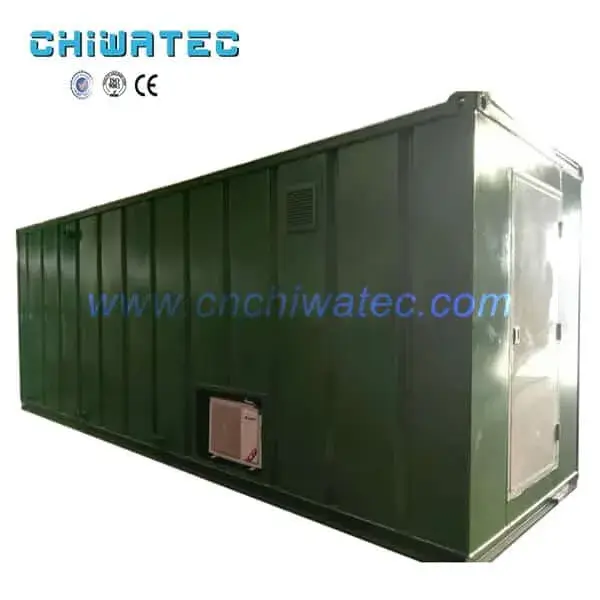
Xi'an CHIWATEC A Water Treatment Technology é uma empresa de alta tecnologia especializada em vários dispositivos de processamento de água. Além desses produtos individuais, que abrangem vários tipos e séries, também podemos ajudar com projetos de engenharia abrangentes relacionados. Graças ao nosso trabalho árduo e dedicação desde a nossa fundação, somos agora um dos fabricantes de equipamentos de tratamento de água com desenvolvimento mais rápido na China Ocidental.
Leitura adicional
SIGA-NOS
Você tem um projeto de tratamento de água que podemos ajudar
* Projetar, usinar, instalar, comissionar, personalizar e serviço de balcão único






 Portuguese
  English
  Spanish




