

Advanced Wastewater Treatment Processes and Effective Color Removal Methods for Industrial Effluents
Color pollution in wastewater—particularly from coking plants, textile dyeing factories, and paper mills—is a major concern. While many enterprises can meet discharge standards for most indicators after biochemical treatment, color (usually pale yellow or brown) often remains a challenge.
Color not only affects the visual quality of water but also reflects the presence of complex organic compounds that are difficult to degrade. Hence, effective and affordable color removal solutions are essential for ensuring compliant discharge and environmental sustainability.
1. Standard Wastewater Treatment Process Framework
A cost-effective and high-efficiency wastewater treatment strategy typically includes the following combination process:
Physicochemical Precipitation (or Air Flotation) → Anaerobic (or Anoxic) Treatment → Aerobic Treatment → Secondary Precipitation
Step 1: Low-Cost Physicochemical Pre-Treatment
In many applications, a composite flocculant combined with polyacrylamide (PAM) is used in the first stage. This treatment achieves:
- Over 40% COD (Chemical Oxygen Demand) removal
- Reduction of suspended solids (SS) and ammonia nitrogen
- Initial decolorization (wastewater appears colorless or light-colored)
Cost Efficiency: The treatment cost is often just a few cents per ton, laying a foundation for affordable operation.
2. Popular Methods for Wastewater Color Removal
2.1 Adsorption Decolorization
Adsorption is one of the most widely used methods for removing color from wastewater. It relies on physical or chemical interactions between pollutants and adsorbents.
Common Adsorbents:
- Regenerable: Activated carbon, ion exchange resins, ion exchange fibers
- Non-regenerable: Natural minerals (e.g., bentonite, diatomite), industrial by-products (coal slag, fly ash), and agricultural waste (sawdust, charcoal)
Key Features:
- Simple to operate
- Effective at removing residual color
- Often used as a polishing step after biological treatment
2.2 Flocculation (Coagulation) Decolorization
Flocculation involves the aggregation of suspended particles and color-causing compounds, which are then removed via sedimentation.
Types of Flocculants:
Inorganic Flocculants:
- Metal salts (aluminum sulfate, ferric chloride)
- Inorganic polymers with higher performance and lower toxicity
Organic Polymers:
- Polyacrylamide (PAM), available in nonionic, cationic, and anionic forms
Advantages:
- Low investment and operating costs
- Small equipment footprint
- Suitable for large-volume wastewater
This method is widely used due to its simplicity and cost-effectiveness, especially when enhanced with optimized decolorizing agents.
2.3 Biological Decolorization
Biological treatment uses microbial enzymes to break down color-causing compounds by oxidizing or reducing chromophores.
Common Techniques:
- Anaerobic or aerobic digestion
- Use of specialized bacteria strains
- Effective for wastewater with biodegradable colorants
Note: Color removal via biological means is generally slower and depends on the wastewater composition.
2.4 Membrane Separation Technology
Membrane technologies use synthetic or natural semi-permeable membranes to separate pollutants from water based on size or chemical properties.
Types of Membrane Processes:
- Microfiltration (MF)
- Ultrafiltration (UF)
- Nanofiltration (NF)
- Reverse Osmosis (RO)
Advantages:
- High-quality effluent
- Compact design and modular deployment
- Suitable for final polishing stage
Drawbacks:
- High capital and maintenance cost
- Membrane fouling risk
2.5 Chemical Oxidation Methods
Oxidative processes break down or modify chromophores and complex organic molecules.
Common Oxidants:
- Chlorine (Cl₂)
- Chlorine dioxide (ClO₂)
- Ozone (O₃)
- Hydrogen peroxide (H₂O₂)
- Fenton reagent (Fe²⁺ + H₂O₂)
Oxidation Techniques:
- Chemical oxidation
- Photocatalytic oxidation
- Ultrasonic oxidation
Advantages:
- Effective for non-biodegradable colorants
- Fast reaction time
Challenges:
- Higher cost
- Risk of forming by-products
- May require pH adjustment and post-treatment
2.6 Electrochemical Methods
Electrochemical treatment purifies wastewater through redox reactions at the electrodes.
Subtypes:
- Electrocoagulation: Combines electric current with coagulation
- Electroflotation: Uses microbubbles for solids removal
- Electrooxidation: Breaks down organic pollutants via anode oxidation
- Internal Electrolysis (e.g., iron filings method): Cost-effective and commonly applied
3. Selecting the Right Decolorization Strategy
When choosing a color removal method, consider:
- Wastewater type (e.g., dyeing, paper mill, coking)
- Color intensity and composition
- Treatment cost and operational complexity
- Discharge standards and environmental impact
Recommended Strategy:
- Use composite flocculants + PAM for initial low-cost color removal
- Apply adsorption or chemical oxidation for persistent color
- Consider membrane or electrochemical methods for high-standard reuse
Conclusion: Cost-Effective Solutions for Wastewater Color Removal
Color removal remains a critical hurdle for many industrial wastewater projects. While high-end solutions like ozone or membrane separation are effective, they are often costly. With proper selection of decolorizing agents and process combinations, enterprises can achieve discharge compliance at a fraction of the cost.
For enterprises facing persistent color issues, it is recommended to:
- Conduct pilot testing of various flocculants and adsorbents
- Prioritize methods offering low operational cost and high reliability
- Implement process upgrades based on wastewater type and site conditions
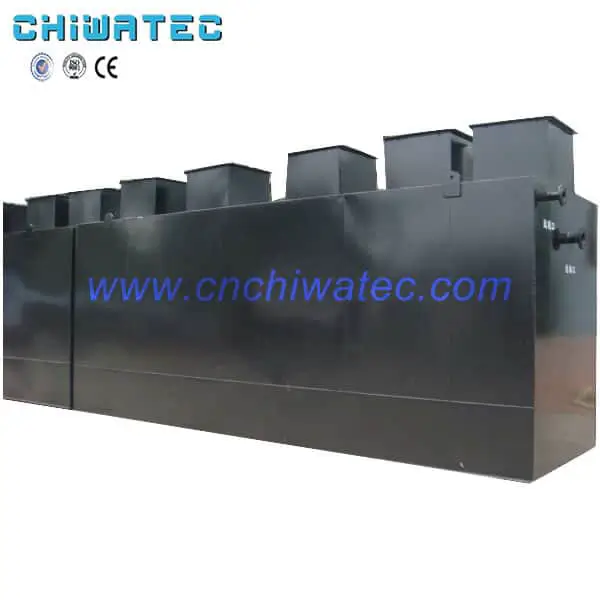
Xi'an CHIWATEC A Water Treatment Technology é uma empresa de alta tecnologia especializada em vários dispositivos de processamento de água. Além desses produtos individuais, que abrangem vários tipos e séries, também podemos ajudar com projetos de engenharia abrangentes relacionados. Graças ao nosso trabalho árduo e dedicação desde a nossa fundação, somos agora um dos fabricantes de equipamentos de tratamento de água com desenvolvimento mais rápido na China Ocidental.
Leitura adicional
SIGA-NOS
Você tem um projeto de tratamento de água que podemos ajudar
* Projetar, usinar, instalar, comissionar, personalizar e serviço de balcão único






 Portuguese
  English
  Spanish




