Drinking Water Treatment Process Flow: A Comprehensive Guide to Water Purification
Drinking Water Treatment Process Flow: A Comprehensive Guide to Water Purification
Overview of the Drinking Water Treatment Process
The drinking water treatment process is designed to purify raw water and make it safe for human consumption. It involves multiple stages, each focused on removing specific types of contaminants to ensure the water meets stringent health and safety standards. The typical flow diagram for drinking water treatment looks like this:
- Raw Water (or other water sources) →
- Primary Treatment →
- Secondary Treatment →
- Tertiary Treatment →
- Fine Filtration →
- Membrane Separation System →
- Desinfecção →
- End-User (Tap Water)
Each stage plays a vital role in purifying the water and improving its quality. Let’s explore the specific technical principles and steps involved.
Technical Principles of Drinking Water Treatment
1. Primary Treatment: Removal of Large Particles and Impurities
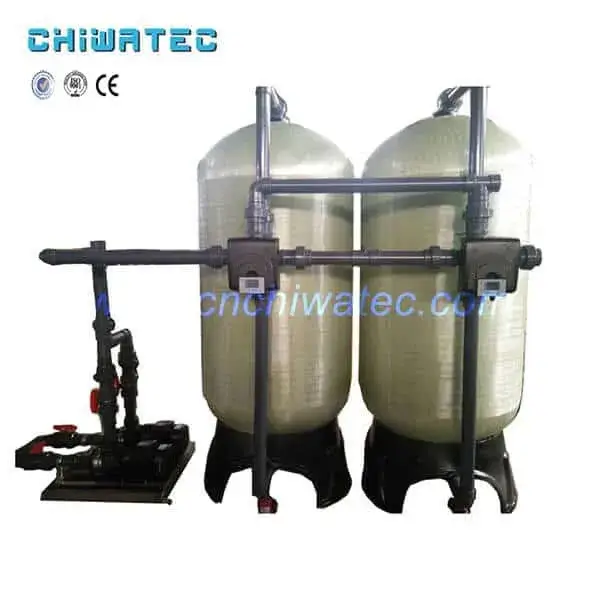
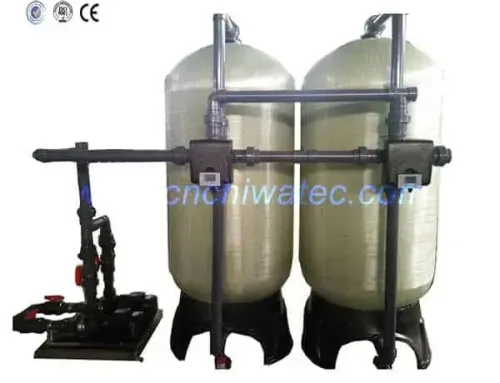
The first stage of treatment focuses on removing larger particles and visible impurities from raw water. Common methods for primary treatment include the use of quartz sand, manganese sand, and other filtration media. These materials help remove suspended solids, debris, and coarse particles that may be present in the water, preparing it for more refined treatment in later stages.
2. Secondary Treatment: Adsorption and Filtration for Odor and Organic Contaminants
Secondary treatment uses high-quality coconut shell activated carbon for its filtration and adsorption capabilities. In this stage, the activated carbon effectively removes odors, chlorine residues, suspended solids, and organic impurities from the water. The activated carbon works by adsorbing harmful substances, improving the taste, and eliminating unpleasant smells, making the water cleaner and safer to drink.
3. Tertiary Treatment: Softening Water and Reducing Hardness
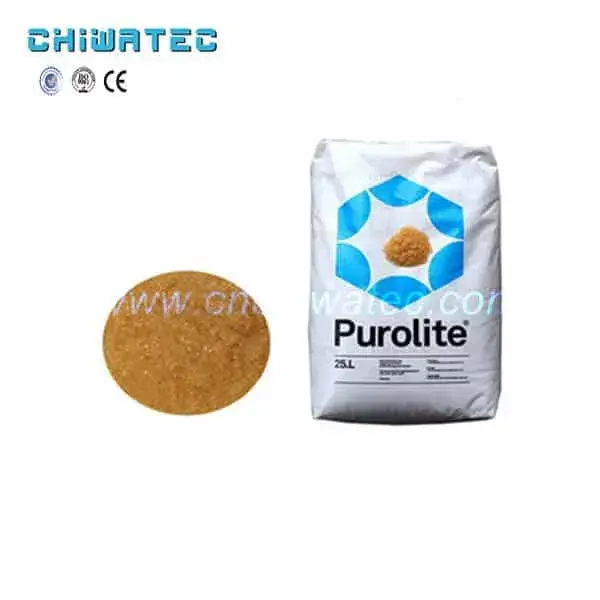
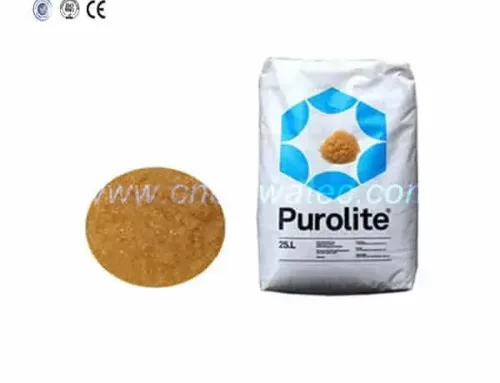
Tertiary treatment involves the use of sodium ion exchange resins to replace calcium and magnesium ions with sodium ions. This process helps to reduce the hardness of the water, making it softer and more suitable for domestic and industrial use. However, for regions with naturally soft water (such as the southern areas), this step may not always be necessary.
4. Fine Filtration: Security Filtration for Extended Protection
Fine filtration, often referred to as security filtration, uses advanced hollow fiber filters with pore sizes of 5 microns to further purify the water. This filtration step removes finer particles that may remain from the previous stages, enhancing water quality and prolonging the lifespan of subsequent treatment components.
5. Membrane Separation: Advanced Filtration for Water Purity
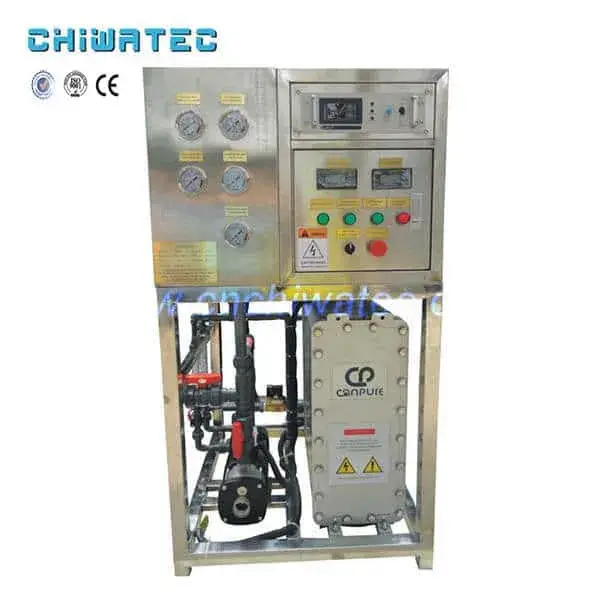
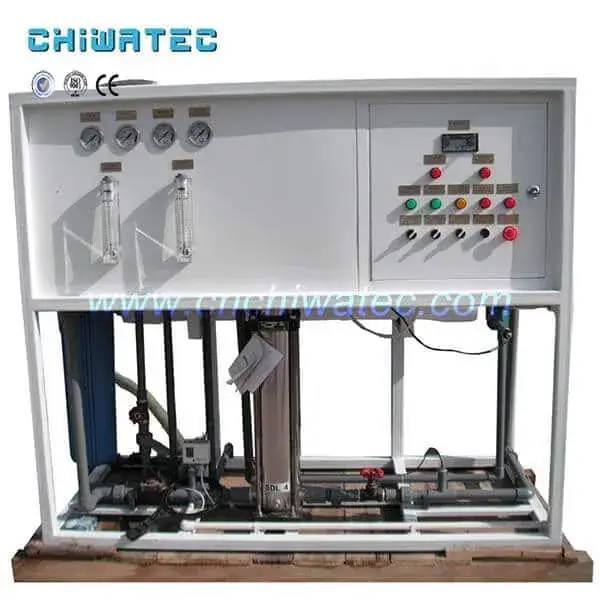
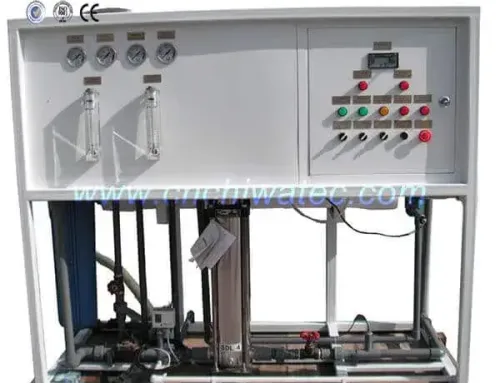
Membrane separation technology includes methods such as microfiltration (MF), ultrafiltration (UF), nanofiltration (NF), and reverse osmosis (RO). These filtration techniques use membranes with different pore sizes to remove very small particles, dissolved salts, and organic compounds. Reverse osmosis, in particular, is highly effective in removing salts and organic materials, ensuring the water meets the highest purity standards. The selection of the appropriate membrane type depends on the specific water quality requirements of the end user.
6. Disinfection: Ensuring Hygiene and Safety
The final stage of water treatment involves disinfection, which ensures that any remaining bacteria, viruses, or pathogens are eliminated from the water. Disinfection is typically carried out using methods such as ultraviolet (UV) light treatment or chemical disinfection. UV disinfection is highly effective and leaves no chemical residues in the water, making it a preferred choice for ensuring safe drinking water.
Achieving Safe Drinking Water Through Multi-Stage Treatment
The multi-stage treatment process described above ensures that the water is fully purified and meets the necessary health and safety standards. After undergoing primary, secondary, tertiary, and fine filtration, as well as membrane separation and disinfection, the water is free from harmful contaminants, ensuring it is safe for human consumption.
By carefully following this process, water treatment facilities can guarantee the provision of clean, safe, and healthy drinking water to consumers, whether it’s for household use or industrial applications. The combination of advanced filtration technologies, including reverse osmosis and disinfection methods, plays a crucial role in ensuring water safety and quality.
Conclusão
A well-designed water treatment system is essential to provide safe drinking water. Each step in the process, from the initial filtration to the final disinfection stage, plays a critical role in ensuring that water is free from contaminants and safe for consumption. With advancements in water treatment technology, including the use of membranes and UV disinfection, modern water treatment plants are able to provide the highest quality water to meet public health standards.
Understanding the detailed water treatment process flow helps in selecting the right purification system for different needs, from residential water filters to large-scale industrial water treatment systems.
Xi'an CHIWATEC A Water Treatment Technology é uma empresa de alta tecnologia especializada em vários dispositivos de processamento de água. Além desses produtos individuais, que abrangem vários tipos e séries, também podemos ajudar com projetos de engenharia abrangentes relacionados. Graças ao nosso trabalho árduo e dedicação desde a nossa fundação, somos agora um dos fabricantes de equipamentos de tratamento de água com desenvolvimento mais rápido na China Ocidental.
Leitura adicional
SIGA-NOS
Você tem um projeto de tratamento de água que podemos ajudar
* Projetar, usinar, instalar, comissionar, personalizar e serviço de balcão único
 Portuguese
  English
  Spanish