Hotel Catering Drinking Water System: Complete Guide to RO Direct Drinking Water Solutions 2026
Access to clean, safe drinking water is a growing challenge worldwide — 1.1 billion people lack safe drinking water, and 5 million die annually from water-related diseases. For the hotel and catering industry, implementing a dedicated hotel catering drinking water system with RO membrane technology ensures guests receive contaminant-free water while the business saves significantly compared to bottled water. This guide covers the industry background, technology overview, key benefits, system features, and cost savings of adopting RO direct drinking water in hotels and restaurants.
Why Hotels Need a Dedicated Catering Drinking Water System
Water pollution has become one of the top environmental threats to human health. The World Health Organization ranks unclean drinking water among the top ten global health hazards. In China, 90% of rivers flowing through cities fail to meet drinking water source standards, and 75% of lakes suffer from eutrophication. For the hospitality industry, these risks translate directly to operational challenges:
- Guest health and satisfaction — High-quality RO water for drinking, cooking, and washing ensures guest safety and enhances the dining experience
- Regulatory compliance — Stricter food safety regulations require hotels to use purified water in food preparation and beverage service
- Brand reputation — International hotel chains and high-star domestic hotels now list direct drinking water as a standard facility, making it a key differentiator in a competitive market
A hotel catering drinking water system using reverse osmosis technology provides the most reliable solution — it removes heavy metals, bacteria, viruses, dissolved solids, and organic contaminants at the point of use, delivering water that meets or exceeds WHO drinking water standards.
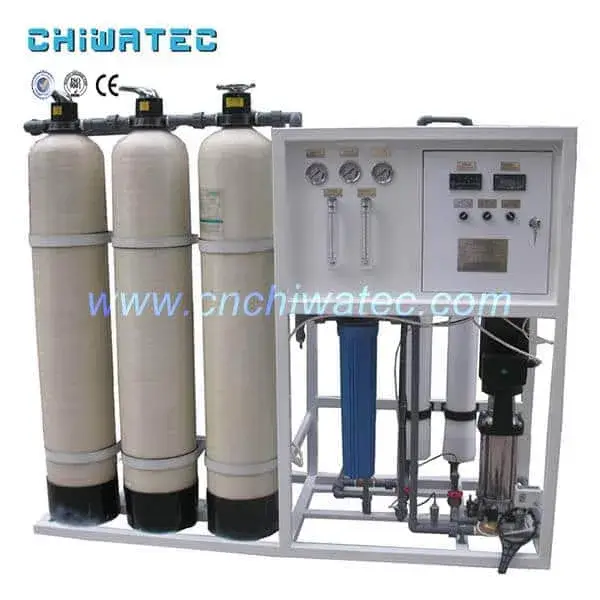
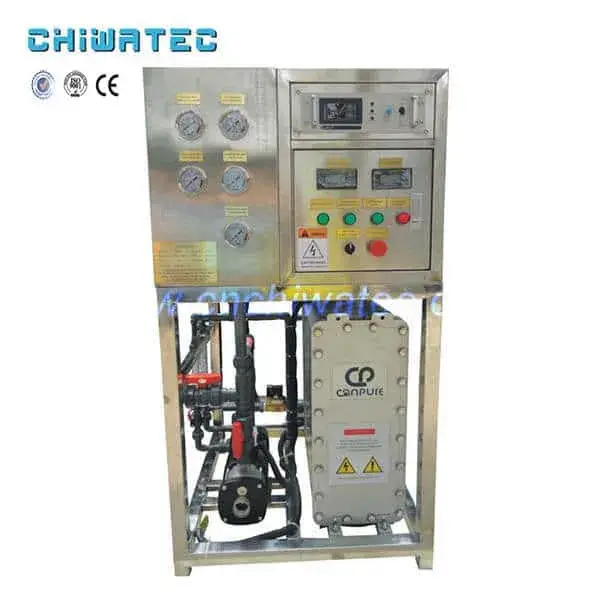
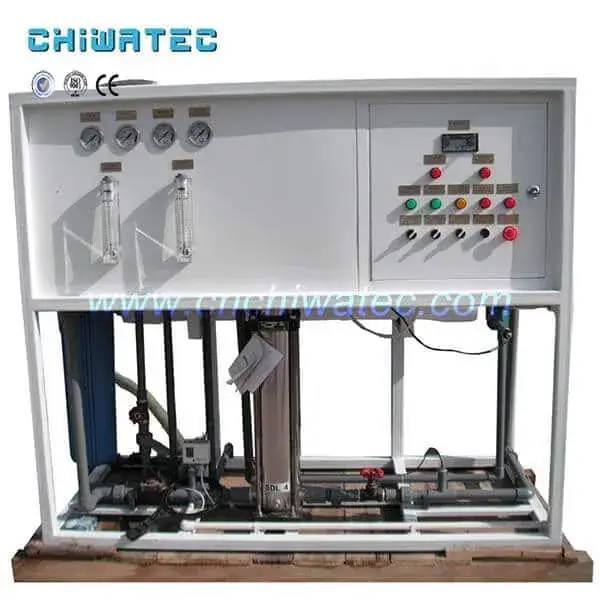
RO Technology in Hotel Catering Drinking Water Systems
Reverse osmosis (RO) is the core technology behind modern direct drinking water systems. Originally developed by the U.S. Navy for seawater desalination and later adopted by NASA for spacecraft water recycling, RO technology has been used in civilian terminal water production since the 1980s. In the United States and Japan, household terminal penetration of RO systems now exceeds 70%, largely replacing bottled water.
A typical hotel catering drinking water system employs a five-stage filtration process:
| Stage | Filter Type | Function |
| 1 | PP sediment filter (5 µm) | Removes suspended solids, sand, rust, and large particles |
| 2 | Granular activated carbon (GAC) | Adsorbs chlorine, organic chemicals, and improves taste/odor |
| 3 | Carbon block filter (CTO) | Polishes water, removes residual chlorine and fine organic particles |
| 4 | RO membrane (TFC polyamide) | Removes >99% of dissolved salts, heavy metals, bacteria, viruses, and pyrogens |
| 5 | Post-carbon or UV sterilizer | Final taste polishing or UV disinfection for microbial safety |
The RO membrane uses a thin-film composite (TFC) polyamide structure with pore diameters of 0.5–10 nm. Water molecules pass through under pressure (100–200 psi for brackish water), while dissolved solids, colloids, organic matter, and microorganisms are rejected and discharged as concentrate.
Key Benefits of Installing a Hotel Catering Drinking Water System
Adopting an RO-based hotel catering drinking water system delivers measurable benefits across service quality, cost, and guest satisfaction:
Improved Service Quality
An RO system reduces the TDS (Total Dissolved Solids) value of all drinking water in the hotel to below 40 ppm — the WHO standard for safe drinking water. Low-TDS water enhances the taste of beverages (tea, coffee, juice) and improves cooking quality. Hotel catering departments using pure water for food soaking and washing report better hygiene outcomes and extended shelf life of prepared ingredients.
Significant Cost Savings
The total cost of producing five gallons of RO drinking water (including electricity, water, consumables, and equipment depreciation) is approximately ¥0.3/barrel — compared to ¥10/barrel for bottled purified water. A mid-sized hotel consuming 50 barrels/month saves over ¥5,800/year. Additionally, RO systems eliminate the logistics costs of bottle delivery and storage space requirements.
International Standards Compliance
Direct drinking water has become an indispensable facility in international hotels and high-star domestic hotels. In markets such as Hong Kong, Macao, Taiwan, Japan, and Europe, guests expect meals and beverages to be prepared with RO-filtered water. Installing a hotel catering drinking water system ensures compliance with these expectations and enhances the hotel’s star rating.
Features of an Ideal Hotel Direct Drinking Water RO System
- Premium RO membrane — Imported branded TFC reverse osmosis membrane (qualified per American Water Quality Association standards), providing the most advanced RO technology for pure water preparation
- Five-stage filtration — Each filter element plays a specific role: sediment removal, chlorine adsorption, carbon polishing, RO desalination, and final sterilization. This multi-barrier approach removes mud, suspended matter, colloids, organics, heavy metals, soluble solids, bacteria, viruses, and pyrogens — retaining only water molecules and dissolved oxygen
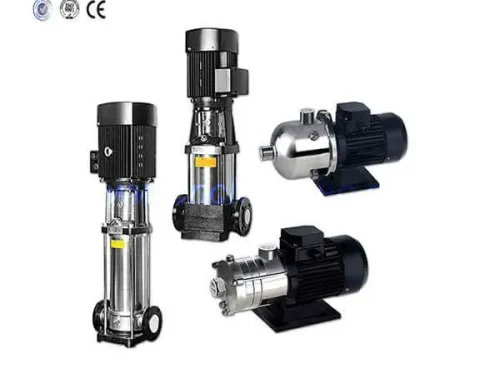
- Silent high-pressure pump — Imported branded pump with long service life and reliable operation, ensuring consistent water pressure even during peak demand periods
- Replaceable pretreatment filter elements — Cartridge-type design makes replacement quick and economical. Replacement element costs are low, keeping operational expenses minimal
- Compact terminal design — The direct drinking machine connects directly to the existing tap, requiring no major plumbing modifications. Water is produced and dispensed on demand — fresh, never stored
Industry Development and Market Penetration of Direct Drinking Water
The direct drinking water market has experienced rapid growth since the 1990s. Key development milestones include:
- United States — RO technology pioneered for Navy desalination (1960s), NASA spacecraft recycling (1970s), and civilian systems (1980s). Household penetration >70% as of 2025
- Japan — Early adoption of RO point-of-use systems; penetration rates exceeding 70% with strong consumer awareness of water quality
- Europe — Growing adoption in hotels, restaurants, and commercial kitchens driven by sustainability regulations and plastic waste reduction targets
- China — Rapid expansion since 2010, with the Ministry of Construction identifying RO membrane technology as the safest drinking water treatment method for the next 20 years
The global direct drinking water equipment market was valued at approximately USD 35 billion in 2025, with a projected CAGR of 8.5% through 2032. The hotel and hospitality segment represents one of the fastest-growing application areas.
Frequently Asked Questions
What is a hotel catering drinking water system?
A hotel catering drinking water system is a dedicated water purification system that uses reverse osmosis (RO) membrane technology to produce high-purity drinking water for hotel guest rooms, restaurants, kitchens, and catering services. It typically includes 5-stage filtration and delivers water with TDS below 40 ppm.
How much does an RO drinking water system cost for a hotel?
Costs vary by capacity. A small point-of-use RO system for a hotel kitchen costs ¥1,500–3,000 (USD 200–400). A centralized system serving an entire mid-sized hotel (50–100 rooms) ranges from ¥15,000–50,000 (USD 2,000–7,000). The investment is typically recovered within 6–12 months through bottled water replacement savings.
Is RO water safe for drinking?
Yes. RO systems remove >99% of contaminants including heavy metals (lead, arsenic, chromium), bacteria, viruses, dissolved salts, and organic chemicals. The resulting water meets or exceeds WHO drinking water standards. RO water is widely used in hospitals, pharmaceutical manufacturing, and food processing.
What is the difference between an RO system and a water filter?
A basic water filter (carbon or sediment) removes particles and chlorine but cannot remove dissolved salts, heavy metals, or microorganisms. An RO system uses a semi-permeable membrane that removes dissolved impurities at the molecular level — achieving TDS reduction from 500+ ppm to below 40 ppm, which conventional filters cannot match.
How often do RO filters need replacement in a hotel system?
Typical replacement schedules: PP sediment filter every 3–6 months, carbon filters every 6–12 months, RO membrane every 2–3 years, and post-carbon every 6–12 months. Hotels with higher water consumption may need more frequent replacement. Most modern systems include filter life indicators.
Conclusion and Call to Action
Implementing a dedicated hotel catering drinking water system with RO technology is a strategic investment that improves guest satisfaction, reduces operating costs, and enhances a hotel’s competitive position. With five-stage RO filtration achieving TDS below 40 ppm and production costs of just ¥0.3 per five-gallon equivalent, the return on investment is compelling. CHIWATEC designs and manufactures custom RO direct drinking water systems for hotels, restaurants, and commercial catering operations — from compact point-of-use units to centralized systems serving hundreds of rooms. Contact us for a free consultation and system design proposal: [email protected] or [email protected].
Related Resources and Further Reading
- Hotel Direct Drinking Water Treatment Equipment Program Brief
- Description of Design Scheme of Direct Drinking Water Equipment System
- Introduction of Two Technological Processes of Direct Drinking Water Equipment System
- What Are the Treatment Methods of Water Purifiers?
- CHIWATEC RO Water Treatment Systems
Do you have a water treatment project we can help with
* Designing,machining,installing,commissioning, customize and one-stop service
 English
  Spanish
  Portuguese